
24/7 Customer Support

Free returns

Same-day & Next-day Delivery

Quality Guaranteed

Unlock Your Welcome Offers: FREE Delivery | Up to 80% OFF | Free 30-day JoyPlus trial
Download the APP
Buying vermicelli noodles can seem straightforward until a stir-fry turns soggy, spring rolls split or a hot-pot noodle disappears into the broth. Product names are not always consistent: rice vermicelli, glass noodles, rice sticks and sweet potato noodles have different textures, preparation times and cooking uses.
For UK home cooks, the most useful approach is to look beyond phrases such as “authentic” or “restaurant-style”. Check the ingredients, noodle thickness, preparation method and allergen information before adding a pack to your basket.
Rice vermicelli and glass noodles are not interchangeable. Rice noodles are usually made from rice flour and water, creating a pale noodle with a soft, lightly springy bite. Glass noodles, also called cellophane noodles, are commonly made from mung bean, sweet potato, wheat or other starches. They become translucent after cooking and generally have a more elastic texture.
Sweet potato noodles are particularly suitable for Korean japchae noodles, soups and hot pot, while rice vermicelli is often used for Vietnamese bun noodles, salads and fresh spring rolls.
Fine strands may soften quickly but can become delicate in a wet dish. Wider Thai rice sticks are more suitable for robust stir-fries, while thin rice vermicelli works well in noodle salads and rolls.
For example, a 1mm rice vermicelli has a finer texture than a 3mm or 5mm rice stick. Do not assume a thicker noodle needs the same soaking time as a fine one.
Plain dried noodles may contain only rice, water or starch, but instant vermicelli products can include wheat, soya, sesame, crustaceans, sulphites or other allergens in their flavour sachets. Always read the current packaging, particularly if you are cooking for someone with an allergy or following a vegan or vegetarian diet.
For a simple vegan base, look for an ingredient list such as rice and water. Longdan Saigon Rice Vermicelli 1mm 400g and Longdan Hanoi Rice Vermicelli 1.5mm 400G list rice-based ingredients and no declared allergens in the supplied product information.
Glass noodles require closer inspection. Shuang Ta Longkou Vermicelli 180g uses mung bean starch and pea starch, while the Kuai Lai Kuai Wang Korean-Style Sweet Potato Glass Noodles 400g contains 98% sweet potato starch. Jing Xian Fang Glass Noodles 750g is made primarily from wheat starch, so it is not suitable for people avoiding gluten.
Match the format to the recipe:
Pack size matters too. A 160g or 200g pack may suit occasional cooking, while 400g to 1kg packs are more practical for meal preppers or households that regularly cook Asian noodles.
Preparation varies considerably. Longdan Saigon Rice Vermicelli recommends soaking in warm water for around 20 minutes, followed by draining and rinsing. Thai Crown Noodle Rice Stick 5mm requires approximately 25–30 minutes of soaking before stir-frying or adding to soup.
By contrast, Bai Jia Instant Vermicelli Hot & Sour Flavour is designed for boiling for 3–4 minutes, while instant bowls such as HAIDILAO Instant Vermicelli Tomato 122g require boiling water and around 4–5 minutes of steeping.
Follow the pack instructions rather than relying on the word “instant”. Do not eat dried noodles raw and make sure cooked noodles are piping hot where the packaging advises this.
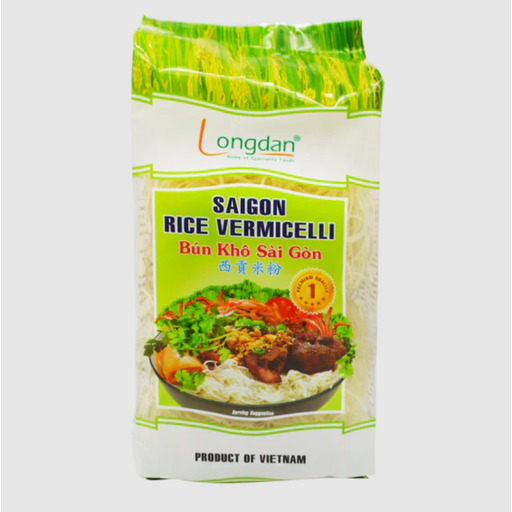
Why This Fits Their Persona: A useful starting pack for students, first-time cooks and households wanting one noodle for spring rolls, salads, stir-fries and soups.
The 1mm size and clear warm-water soaking instructions make it easier to plan cooking without confusing it with thicker rice sticks or glass noodles.
Ingredients are listed as rice and water; the 400g pack is suitable for multiple meals and is described as vegan.
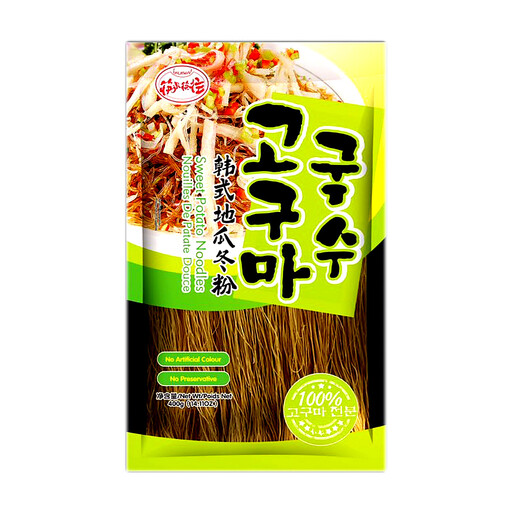
Why This Fits Their Persona: A suitable choice for cooks prioritising a glossy, chewy noodle texture in Korean japchae, soups, salads and hot-pot meals.
The ingredient percentage identifies it as sweet potato starch-based rather than rice vermicelli, helping buyers select the intended texture.
Made with 98% sweet potato starch; the 400g pack includes soaking guidance and suits both hot and cold dishes.
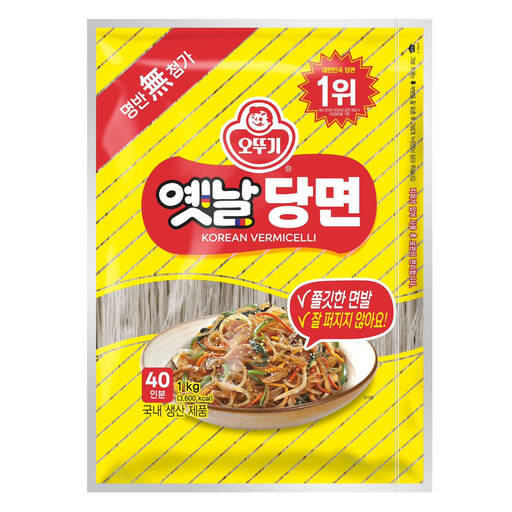
Why This Fits Their Persona: The larger format is practical for frequent Korean cooking, batch preparation, shared households and regular hot-pot meals.
The 1kg quantity is clearly stated, so regular users can compare pack size rather than judging value from packaging alone.
A bulk pack for repeated use; the listed ingredients include sweet potato starch, malic acid, xanthan gum and sodium alginate.
We have compiled a complete, real-time list of products that fully satisfy these strict selection criteria and UK safety regulations.
Store unopened dried noodles in a cool, dry cupboard. Once opened, reseal the packet or transfer it to an airtight container and follow the stated consumption guidance.
Some rice vermicelli products are made from rice and water and may be suitable for a gluten-free diet. However, this should never be assumed. Check the packaging for gluten statements and cross-contamination advice. Glass noodles can also contain wheat starch, while instant noodle seasonings may contain wheat-based ingredients.
It depends on the type. Fine rice vermicelli may need warm-water soaking for around 20 minutes, while thicker rice sticks can require 25–30 minutes. Sweet potato glass noodles often need 15–20 minutes of soaking followed by boiling. Instant vermicelli commonly takes three to five minutes, but the product instructions should take priority.
Keep unopened packs in a cool, dry place away from sunlight and moisture. After opening, seal them tightly or use an airtight container. Check the best-before information and discard noodles showing unusual odour, discolouration or signs of moisture damage.