
24/7 Customer Support

Free returns

Same-day & Next-day Delivery

Quality Guaranteed

Unlock Your Welcome Offers: FREE Delivery | Up to 80% OFF | Free 30-day JoyPlus trial
Download the APP
Navigating the world of vermicelli noodles can feel overwhelming. You stand in the aisle or scroll online, faced with dozens of packets that look similar but promise different results. You pick one for your stir-fry, only to have it turn into a sticky, broken mess. Or you choose another for your hot pot, and it dissolves into the broth. As a Joybuy Product Recommendation Officer, my role is to help you see past the packaging and understand what truly matters, ensuring you get the right noodle for your dish every time.
Many home cooks in the UK fall into a few common traps. The first is believing that all thin, translucent noodles are the same. Using delicate rice vermicelli in a vigorous stir-fry is a frequent mistake that leads to disappointment. The second pitfall is mistaking convenient, all-in-one instant vermicelli kits for the plain noodles required in recipes, resulting in an overly salty or unexpectedly flavoured dish. Finally, the term "glass noodles" is often used interchangeably, yet the ingredient base—be it mung bean, sweet potato or pea—dramatically changes the texture and cooking properties.
To avoid these issues, focus on two core parameters before you buy: the starch source and the noodle's shape. Understanding these will transform your Asian cooking, whether you're aiming for authentic flavour or a quick weeknight meal.
The ingredient list is the most important clue to a noodle's behaviour. Different starches produce vastly different results.
The form of the noodle dictates how it interacts with other ingredients and how quickly it cooks.
To make your choice easier, we've matched some popular options to the UK home cooks who will appreciate them most.
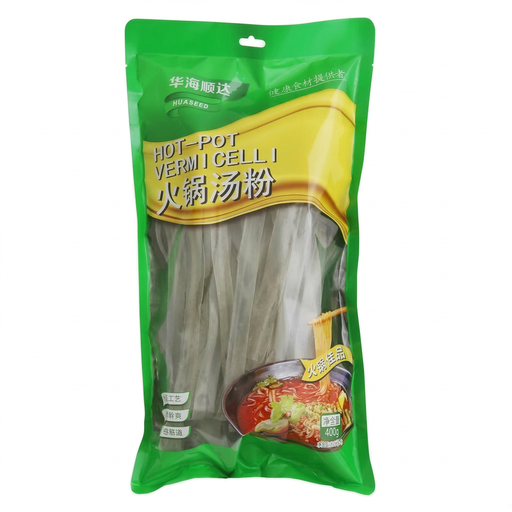
Why This Fits Their Persona: For those who love gathering friends and family around a simmering hot pot, these noodles are a must-have. They are specifically made to endure the heat, absorbing the rich broth flavour without disintegrating.
It directly solves the problem of noodles turning to mush. The sweet potato starch base ensures a resilient, chewy texture that stands up to long cooking times, unlike delicate rice or mung bean varieties.
Excellent heat resistance and a satisfyingly smooth, chewy texture. It's also a naturally gluten-free option for the whole table to enjoy.
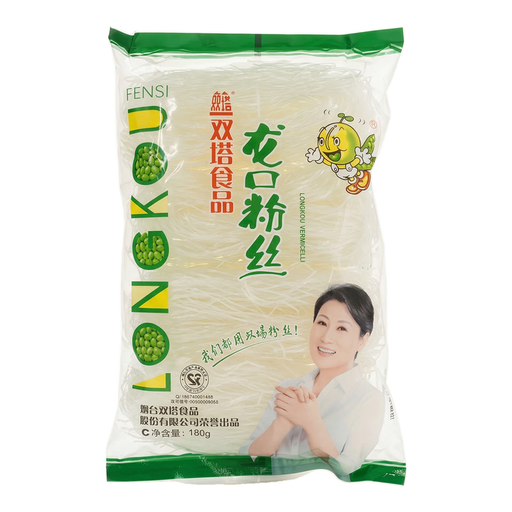
Why This Fits Their Persona: For the cook who needs a reliable pantry staple for everything from 'Ants Climbing a Tree' (Ma Yi Shang Shu) to a refreshing noodle salad. This is a classic glass noodle that delivers consistent results.
This is a pure noodle product, not a high-sodium meal kit. It avoids the "instant noodle trap" by providing a neutral, versatile base, giving you full control over the flavour and health profile of your dish.
Made from a mung bean and pea starch blend for a superior elastic and chewy texture. It cooks to a beautiful translucent finish and is naturally gluten-free.
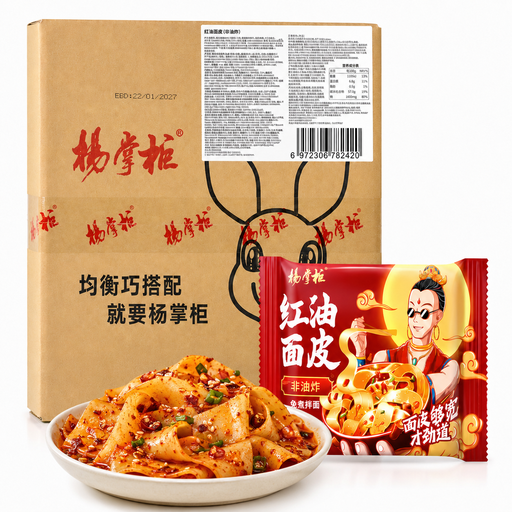
Why This Fits Their Persona: When time is short but you crave a genuinely flavourful and satisfying meal, this instant noodle kit is an excellent choice. It's a complete package, ready in minutes, that delivers a rich, numbing and spicy Sichuan-style flavour.
This product is transparent about what it is: a convenient meal. It avoids the trap of a user buying plain noodles and being disappointed by the lack of flavour or long preparation time when they just wanted a quick lunch.
Extremely quick to prepare (4-6 minutes by soaking). The included chili oil sachet contains sesame paste, peanut butter and spices for a complex, authentic taste.
We have compiled a complete, real-time list of products that fully satisfy these strict selection criteria and UK safety regulations.
The primary difference lies in the core ingredient and resulting texture. Rice vermicelli is made from rice flour, giving it an opaque white appearance and a soft, delicate texture when cooked. In contrast, mung bean vermicelli (often called glass noodles) is made from mung bean starch. It becomes transparent, chewy and much more elastic after cooking, making it suitable for a wider range of cooking methods.
Soaking is often recommended, but it depends on the noodle type. For starch-based noodles like sweet potato vermicelli or Longkou vermicelli, soaking in warm water for 20-30 minutes helps them soften and cook more evenly. For many types of rice vermicelli, a brief soak in hot water is often sufficient before they are added to a dish. Always check the package instructions, as they provide the most accurate guidance for that specific product.
No, they are not. While vermicelli made from 100% rice, mung bean starch or sweet potato starch are naturally gluten-free noodles, you should always verify the ingredients. Some products, particularly instant vermicelli kits or certain regional Chinese noodles, may contain wheat flour as a primary ingredient or part of a blend. If you have a gluten allergy or coeliac disease, carefully reading the label is essential.