
24/7 Customer Support

Free returns

Same-day & Next-day Delivery

Quality Guaranteed

Unlock Your Welcome Offers: FREE Delivery | Up to 80% OFF | Free 30-day JoyPlus trial
Download the APP
Whether you're pushing your limits at the gym, training for a marathon or simply feeling the strain of long hours at a desk, muscle soreness and tension can be a persistent challenge. While traditional foam rollers have long been a staple for self-massage, the introduction of the vibrating foam roller has brought a new dimension to muscle recovery.
This guide is designed to help you understand what an electric foam roller can offer and how to choose one that suits your specific needs. As your Joybuy Product Recommendation Officer, I'll provide practical advice to help you navigate the options and find an effective muscle recovery tool without the marketing hype.
Making the right choice comes down to a few key factors. Considering these points will help you select a roller that delivers the results you're looking for.
The classic cylindrical roller is excellent for large muscle groups like the quads and hamstrings. However, modern designs now offer specialised shapes for more targeted relief. For instance, a contoured, peanut-shaped roller is specifically designed to work around the spine and neck, areas a standard roller might struggle to address effectively. For those seeking a back roller for pain relief, this ergonomic design can be particularly beneficial. Also, consider portability; a smaller, more compact roller is ideal for taking to the gym or when travelling.
The primary advantage of a vibrating foam roller is, of course, the vibration. Look for models with multiple intensity settings. Lower frequencies can be useful for a gentle warm-up, helping to increase blood flow before a workout. Higher frequencies deliver a more intense vibration, which can help to reduce the discomfort often associated with deep tissue massage roller techniques and accelerate recovery post-exercise. The ability to customise the intensity allows you to tailor each session to your body's needs on any given day.
The material of a roller determines its firmness and durability. High-density foam is a common choice, providing firm pressure for effective myofascial release. Some rollers also incorporate a textured silicone surface, which can provide a better grip and enhance the massage effect on the muscle tissue. A firm inner core is also important, as it ensures the roller maintains its shape and provides consistent pressure during use.
Here are our recommendations, selected to cover a range of needs from targeted relief to full-body massage.
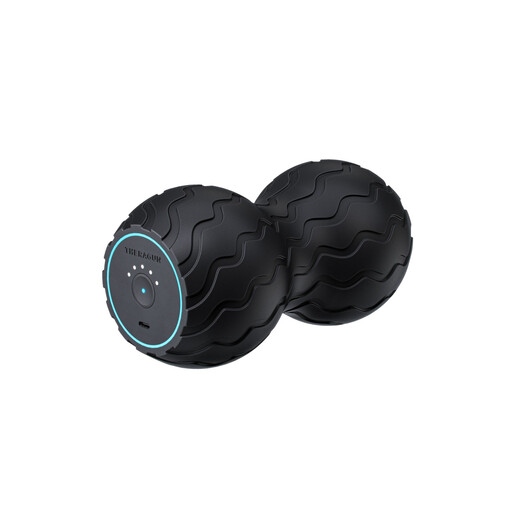
Why It Stands Out: The WaveDuo’s unique, contoured shape is its defining feature. This dual-sphere design is engineered to fit comfortably around the spine, neck and other curved areas of the body, providing targeted pressure where standard rollers can't reach. It combines this ergonomic shape with powerful vibration for focused relief.
Pros:
Who is it for? This roller is an excellent choice for office workers with neck and back tension, as well as athletes who need precise, targeted relief for hard-to-reach muscle groups.
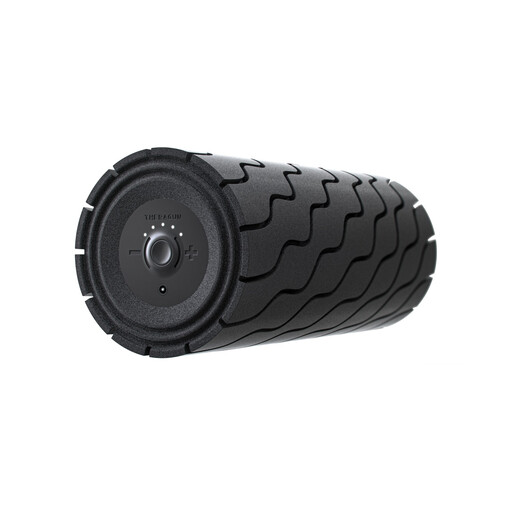
Why It Stands Out: The WaveRoller is a full-sized electric foam roller designed for comprehensive, powerful vibration therapy across the body's largest muscle groups. Its smart features, including Bluetooth connectivity to the Therabody app, provide guided routines that help you get the most out of your recovery sessions.
Pros:
Who is it for? Ideal for serious gym-goers, runners and athletes who want a powerful, all-in-one muscle recovery tool for their entire body.
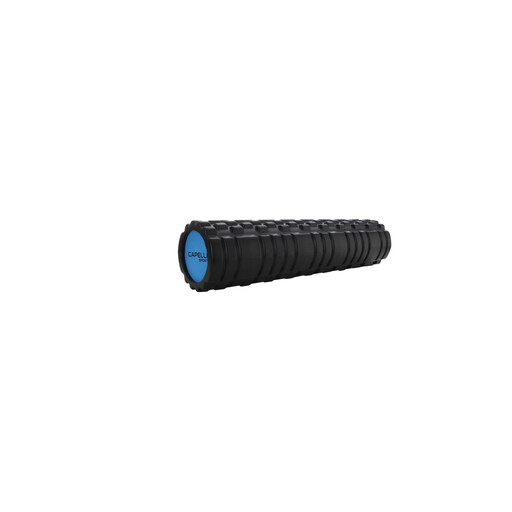
Why It Stands Out: This roller offers a traditional, non-vibrating approach to muscle recovery. Its value lies in its simplicity, durability and extended length. The 61 cm (24-inch) surface area makes it easy to perform full-body routines, while the high-density material provides the firm pressure needed for an effective deep tissue massage.
Pros:
Who is it for? A great starting point for those new to foam rolling, individuals on a budget or anyone who prefers a classic, no-frills deep tissue massage roller.
While these selections cover a variety of needs, your perfect recovery tool might be different. If you're looking for other sizes, textures or features, there are many more options to consider.
Explore our full collection of gym foam rollers to find the perfect match for your fitness and recovery needs.
A vibrating roller can offer additional benefits over a standard one. The vibration can help to warm up muscles and may reduce the sensation of pain during deep tissue work, allowing for a more comfortable and potentially more effective session. However, a traditional high-density roller remains a very effective tool for applying direct pressure to release muscle knots. The choice depends on your personal preference and recovery goals.
You can use an electric foam roller both before and after workouts. A few minutes before exercise can help activate muscles and improve mobility. After a workout, a 10-15 minute session can aid recovery and reduce soreness. For general muscle tension, using it a few times a week can be beneficial. Always listen to your body and avoid rolling over areas of sharp pain.
Many people find that a vibrating foam roller helps relieve tension in the muscles surrounding the lower back. It is generally advised to avoid rolling directly on the lumbar spine. Instead, focus on the larger muscles that connect to the lower back, such as the glutes, hips and hamstrings. Specialised tools like the WaveDuo are designed with a central groove to safely work along the thoracic (mid-to-upper) spine. If you have chronic back pain, it is always best to consult a healthcare professional before starting a new recovery routine.