
24/7 Customer Support

Free returns

Same-day & Next-day Delivery

Quality Guaranteed

Unlock Your Welcome Offers: FREE Delivery | Up to 80% OFF | Free 30-day JoyPlus trial
Download the APP
Welcoming a new baby brings a unique mix of joy and apprehension. As you prepare the nursery, choosing a video baby monitor often feels like a critical decision for ensuring peace of mind. Yet, the market is crowded with devices promising everything from AI-driven sleep analytics to HD streaming. It’s easy to get lost in the technical jargon and marketing claims.
As the Joybuy Product Recommendation Officer, my role is to help you navigate this landscape. Many parents find themselves caught in a few common pitfalls. Before you buy, be aware of these frequent traps:
To make a confident choice, focus on the core parameters that truly impact day-to-day use. Here’s what to look for.
This is the most significant decision you'll make. There is no single "correct" choice; it depends entirely on your family's needs.
A clear picture is non-negotiable. While many models are marketed as an hd baby monitor, the real-world performance can vary.
These features determine how convenient the monitor is to live with.
Based on these practical criteria, we've matched a few standout options to different parenting needs.
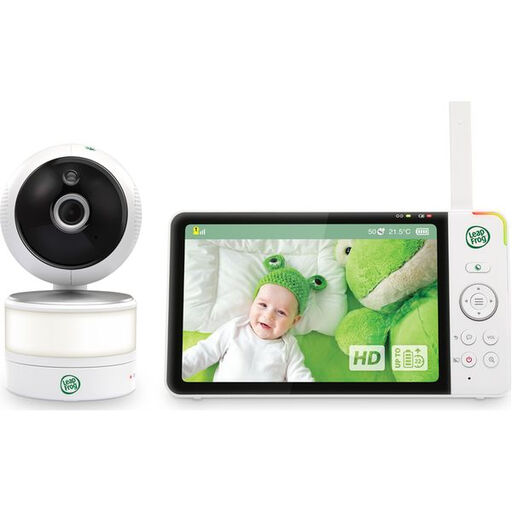
Why This Fits Their Persona: This user prioritises a secure, private connection and in-home reliability above all else. They want a large, clear screen for at-a-glance reassurance without worrying about Wi-Fi security or app connectivity issues.
It operates on a secure, direct FHSS connection, completely avoiding Wi-Fi vulnerabilities and subscription fees. Its focus is on core performance: a large 7-inch HD screen and long-range signal.
Large 7" 720p HD Display: Provides an exceptionally clear and detailed view.
360-Degree Pan & Tilt: Offers full coverage of the nursery as your baby grows.
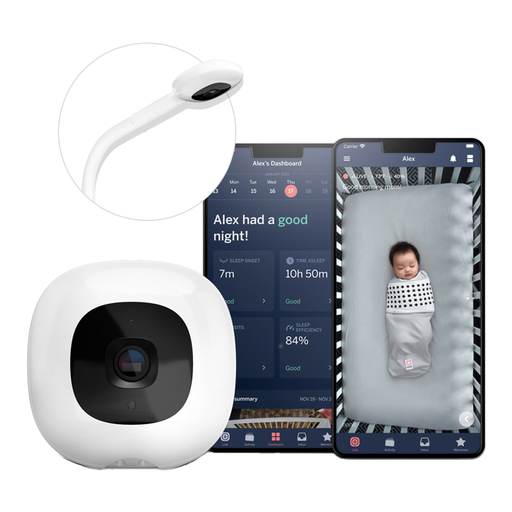
Why This Fits Their Persona: This parent wants to stay connected from anywhere, whether at work or out for the evening. They value data-driven insights into their baby's sleep patterns and appreciate the convenience of a fully app-controlled system.
While it does offer a subscription for advanced analytics, the core function of live HD streaming to the app is available without it. It leans into its "smart" identity, offering value for those who specifically want those features.
App-Integrated Sleep Tracking: Provides insights into sleep patterns.
Flexible Floor Stand: Allows for optimal overhead viewing without drilling into walls and is easy to move between rooms.

Why This Fits Their Persona: This parent wants the reliability of a dedicated parent unit for use at home (especially for grandparents or babysitters) but also desires the flexibility of app-based viewing when they are away.
It directly tackles the subscription trap by offering all its features, including remote app viewing, with no subscription fees. The hybrid design also mitigates the "unreliable connection" issue by providing a direct link as a backup.
Hybrid Connectivity: Use the 5.5" HD parent unit at home and the free app when away.
No Subscription Fees: All features are included straight out of the box, offering great long-term value.
We have compiled a complete, real-time list of products that fully satisfy these strict selection criteria and UK safety regulations.
A good quality video baby monitor should reliably last for at least two to three years, often covering the period from newborn to toddler. The lifespan can be affected by how the parent unit's battery is cared for and general wear and tear. Some models with flexible mounts or smart home integration can be repurposed as a general-purpose nursery camera or home security camera once your child is older.
This is a valid concern for any internet-connected device. Reputable manufacturers use 256-bit AES encryption, the same standard used by banks, to secure the video stream. To minimise risk, always choose a monitor from a trusted brand, set a strong, unique password for both your monitor's app and your home Wi-Fi network and keep the device's firmware updated. For those who remain concerned, a non wifi baby monitor is an excellent alternative that eliminates this risk entirely.
An audio baby monitor is a perfectly suitable and more affordable option if you only need to hear when your baby is awake or crying. However, a video baby monitor provides an invaluable layer of visual reassurance. It allows you to see why your baby is making noise—are they simply stirring, have they lost their dummy or are they tangled in a blanket? For many new parents, this ability to see their baby without disturbing them provides a level of peace of mind that audio-only models cannot match.