What matters when choosing?
Decide where the light must sit before comparing output figures: a desk-side panel, an overhead setup and a portable light call for different mounts. Then assess colour, coverage and power for the way you film.
| Concern |
What to check |
Who this matters to |
| Card colours |
Compare stated CRI or TLCI with colour-temperature adjustment; set camera white balance consistently. |
If customers judge paper and ink colours from my footage, I want the materials to look credible on camera. Around 42% of consumers put colour fidelity first. |
| Shadows and coverage |
Check the supplied diffusion and whether a suitable mount can light the work area without obstructing the shot. |
When my hands move across the mat, I need viewers to see the cutting and assembly clearly. Soft, even coverage comes first for around 33% of consumers. |
| Setup and power |
Check the mount, stated battery runtime at the intended output and any power or modifier requirements. |
I move between filming spots and need a setup I can position and power without disrupting the lesson. Around 25% of consumers chiefly prioritise that flexibility. |
Joybuy product choices
These compact, battery-powered ULANZI lights are options to assess for portable filming or a space-limited setup. Before relying on one as the main light for a card-making lesson, check how it covers your work surface and how you can position it safely.
 No image available
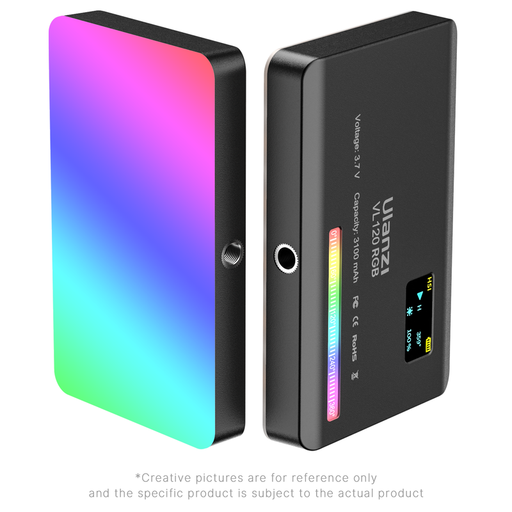
ULANZI VL120 RGB video light
Consider this compact light if you need adjustable lighting for filming at or away from a craft desk.
The product title states CRI ≥95, a 2,500–9,000 K range and an integrated 3,100 mAh battery. Check whether the package and a suitable mount will provide the soft coverage and position your work surface needs; assess card colours with your own camera.
View on Joybuy
 No image available
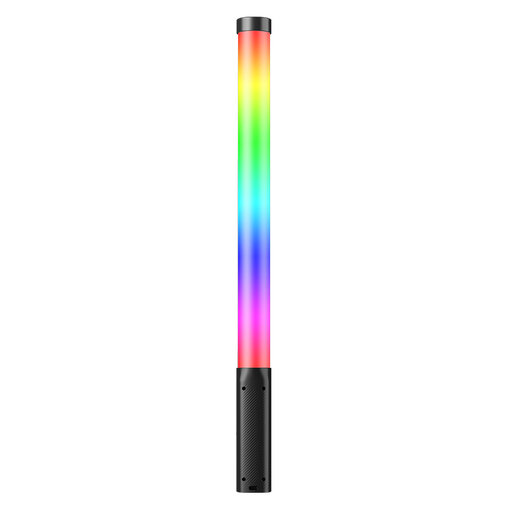
Ulanzi VL119 10 W handheld RGB video light
The handheld format may suit a movable filming setup, provided you can place the light where your hands will not obscure the card.
The product title states 360 lux at 0.5 m, a 3,300 mAh battery and 2,500–9,000 K adjustment. Check colour rendering and coverage at your intended filming distance before using it as the main light for colour-sensitive lessons.
View on Joybuy
 No image available
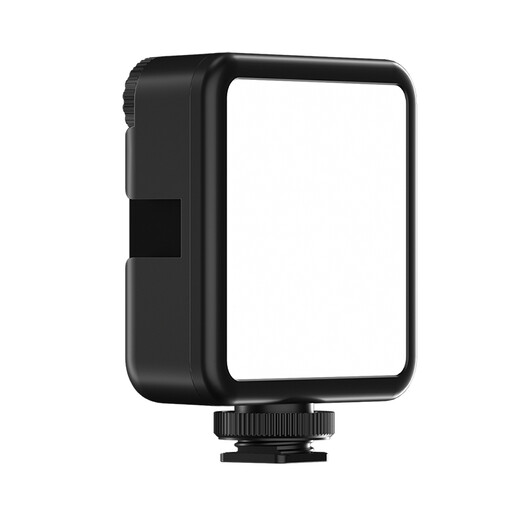
ULANZI VL81 camera LED light
This small camera-mounted light is worth assessing for portable product shots or a compact filming position.
The product title states a cold-shoe mount and a rechargeable 3,000 mAh battery. Check whether that mount can light the whole card-making area, and compare colour-rendering details if accurate card colours are important.
View on Joybuy
Frequently asked questions
Does CRI matter for card-making videos?
Yes, it is worth comparing when viewers need to judge paper, ink and embellishment colours. CRI concerns colour rendering, while colour temperature is a separate setting; compare the stated figures, set camera white balance consistently and check footage using your own materials.
Should I use a panel or a COB light above my craft table?
A diffused panel is a starting point for a fixed tabletop setup; a compact COB light is an alternative when the light must also travel. Check a panel’s mounting reach before planning an overhead shot, and pair a directional COB source with a compatible diffuser or softbox if hard hand shadows or reflections would interfere with the lesson.
Does a video light in a home business need annual PAT testing?
The Health and Safety Executive says there is no universal legal requirement for annual portable appliance testing. Electrical equipment that could cause injury must be maintained in a safe condition; the appropriate inspection and testing depend on the equipment and how it is used. Make visual checks and seek competent assessment when its condition calls for it.
Which product marking should I check for a mains-powered light in Great Britain?
For products subject to the relevant marking requirements and placed on the market in Great Britain, GOV.UK guidance allows UKCA or CE marking under its continuing recognition arrangements. Check the light’s product documentation and supplied power arrangement; this Great Britain guidance covers England, Scotland and Wales, while Northern Ireland follows separate rules.


