Colour-and-texture demonstrators
If viewers need to distinguish yarn hues, weave structure and hand movements, compare the stated colour-rendering specifications and check the recorded result with the yarn you plan to show.


For a wide shot of the loom and moving hands, start by considering a bi-colour Bowens-mount light with a compatible softbox, provided its stand and mains lead can be kept clear of shared routes. A bi-colour panel offers a different, broader lighting setup, while a compact battery light is better considered for close-up fill than as the sole light for a wide shot.
If viewers need to distinguish yarn hues, weave structure and hand movements, compare the stated colour-rendering specifications and check the recorded result with the yarn you plan to show.
Your light needs a position that does not put its stand or mains lead in other people’s walking routes. The Health and Safety Executive identifies trailing cables on pedestrian routes as a trip hazard.
A compact light can be positioned close to yarn or handwork for short detail shots and changing camera angles. Check its output at the distance you intend to use.
Choose it when: You want a principal light for the loom and moving hands, with the option to fit a compatible softbox.
Allow for: Space for the stand and modifier, a suitable electrical supply and a mains-lead route clear of other users.
Choose it when: A broad panel source suits your framing and you do not need a Bowens-mount modifier setup.
Allow for: Different light-shaping options from those of a Bowens-mount point-source light.
Choose it when: You need close-positioned fill for yarn or handwork details without a floor-level mains lead.
Allow for: Its limited role in wider framing; check output at the intended distance and battery runtime at your chosen settings.
| Concern | What to check | Who this matters to |
|---|---|---|
| Clear shared routes | Plan the stand footprint and lead route; check that the equipment and electrical supply suit the workshop. | I need to move around the loom without making others step around a stand or over a cable. Around 33% of consumers put an unobtrusive setup first. |
| Yarn colour and texture | Compare colour-rendering specifications for the exact model, then check a test clip with manual white balance. | If yarn hues and weave detail are central to my demonstration, I need to see how they record under the planned lighting; around 27% of consumers prioritise colour-and-texture clarity. |
| Changing workshop light | Check the model’s colour-temperature range and dimming controls against the lighting you intend to keep on. | Daylight and room lights may change how the loom looks during filming, so I want control over the light’s colour temperature. For around 27% of consumers, matching the existing light is the primary need. |
| Mobile close-ups | Check output at your working distance, mounting options and battery runtime for the intended settings. | For short shots of threading or small weave details, I would rather reposition a light close to the work than move a larger stand; around 13% of consumers put mobile close-up lighting first. |
A wattage rating and a measured illuminance figure answer different questions. Published lux figures can also depend on distance, colour temperature and any fitted reflector, so they do not establish how evenly a light will cover your loom.
Compare output figures only under matching conditions, then consider the modifier, placement and area you need to illuminate.
SmallRig specifies its P96 at 150 lux at 1 m. That figure makes working distance important when considering it for detail fill; it does not establish coverage for a wider scene.
Check exposure with the light at your intended distance before relying on a compact light as your only source.
The Health and Safety Executive identifies cables on pedestrian routes as a trip hazard. A suitable position for the light head is not enough if its stand or power lead obstructs other workshop users.
Plan the position of the fixture, stand and power supply before buying, and keep walking routes clear; assess whether a cable cover or a different lead route is needed.
The setup may also require a compatible stand, modifier or cable cover.
Manufacturer colour-rendering figures describe a light, not the combined effect of that light, workshop lighting and your camera settings on recorded yarn colour.
Set the lighting arrangement, manually white-balance the camera and review a test clip showing the yarn and weave detail that matter to your demonstration.
Its 100x S point-source light and P60x panel illustrate two different ways to light a weaving setup.
The SL60IIBi is a bi-colour Bowens-mount option for a workshop setup with a suitable mains supply.
The P96 is a compact battery light to consider for close fill and detail framing.
These compact battery-powered camera lights are choices to consider for close shots of yarn and handwork. Before using either as a principal light for a wider loom view, check its output, colour-rendering specifications and runtime against your framing and filming duration.
 No image available
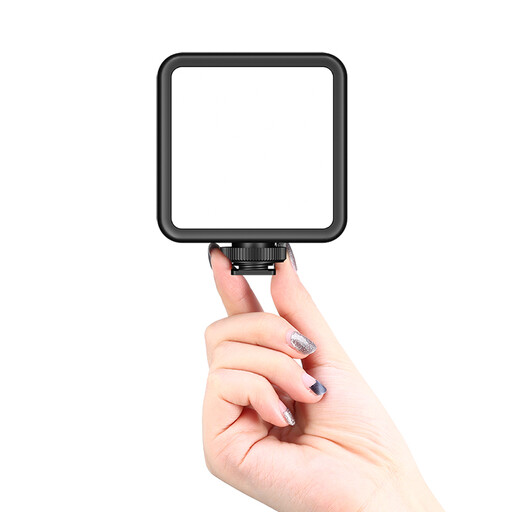
Consider this compact light for close shots of yarn or moving hands. Its listed features are a 2500K–9500K colour-temperature range, dimming, a built-in 2000 mAh battery, a magnetic back and cold-shoe mounting. Check output and colour rendering for your framing, as well as runtime at your intended settings.
 No image available
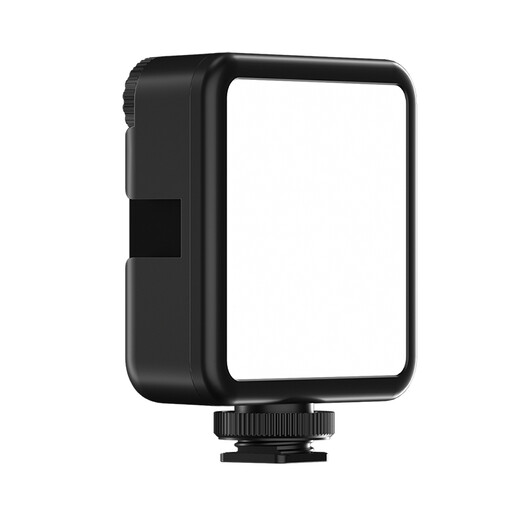
Consider this rechargeable camera light for a portable close-up setup. Its listed features are adjustable brightness, cold-shoe mounting and a 3000 mAh battery. Check its colour-temperature range, colour rendering, output and runtime before depending on it for mixed workshop light or a longer demonstration.
Do not assume that every light needs testing at a fixed interval. The Health and Safety Executive says the checks, inspections and testing needed depend on the equipment, its environment and previous-check results. Follow the workshop operator’s electrical-safety process, and do not use visibly damaged equipment.
Choose a position or lead route that avoids the walkway where possible. The Health and Safety Executive advises using cable covers or restricting access when trailing cables cannot otherwise be avoided; plan the stand and power-supply positions before recording.
Bi-colour adjustment is useful when you need to set the light closer to the workshop’s prevailing warm or daylight illumination. Set the lighting first, then manually white-balance the camera and check a clip of the actual yarn; a colour-temperature range alone does not guarantee the recorded colour.
A pocket light may suffice for a tight shot with adequate ambient light, but check exposure at the intended distance before relying on one for a full loom view. SmallRig specifies its P96 at 150 lux at 1 m, illustrating why its close-fill role should be assessed separately from wider-scene lighting.