Close-up textile tutors
If the camera needs to show hands, stitches, patches and fabric samples at a table, a softened subject light helps control shadows while you set exposure and white balance for the materials being taught.


For close-up textile repairs, start with a controllable, bi-colour continuous light softened for the hands and fabric; compare its output with the intended diffuser rather than choosing by wattage alone. If the background must record as pure white, light it separately and keep that light from spilling onto the work, where it could obscure fabric edges and stitch detail.
If the camera needs to show hands, stitches, patches and fabric samples at a table, a softened subject light helps control shadows while you set exposure and white balance for the materials being taught.
If the backdrop needs to appear white without losing the outline of hands and fabric, plan how to light the backdrop independently of the work surface.
If the filming area moves between rooms or teaching locations, consider the complete light, power supply, modifier and stand. For narrated lessons, test whether operating noise reaches the microphone.
Decide whether the backdrop needs to record as pure white, then choose a softened light for the work surface and check whether its power and controls suit your filming space.
| Concern | What to check | Who this matters to |
|---|---|---|
| White backdrop and clear edges | For a pure-white result, check that the backdrop can be lit and aimed separately from the softened subject light, with room to limit spill. | If I need a white backdrop, I still want viewers to distinguish my hands and fabric edges from it. Around 33% of consumers put backdrop control first. |
| Fabric colour and repair detail | Check the exact light’s published CRI, TLCI and colour-temperature range; set camera white balance under the working light. | When thread shades and small repairs carry the lesson, I need them to remain distinguishable on camera; around 27% of consumers prioritise colour and detail. |
| Soft, controllable light | Confirm which diffuser fits the mount and compare output figures only at matching distances and modifier conditions. | If shadows hide my stitches or reflections draw attention to a needle, I need more control over the light falling on the table. Soft-light control comes first for around 27% of consumers. |
| Compact, quiet operation | Check the complete power arrangement, stated runtime conditions and fan-noise test conditions; make a narrated recording in the intended position. | If I teach in a small room or move the setup, I need lighting I can position and power without disrupting narration. Around 13% of consumers make compact, quiet operation their primary concern. |
A light aimed at the table does not give independent control of the backdrop. Trying to make the background white with the same beam can also send unwanted light back onto hands and fabric.
Decide whether a clean-looking background is sufficient. If it must record as pure white, allow space to aim separate background lights without washing out the work.
A separate backdrop arrangement also needs positions for additional lights, stands and power connections.
A figure measured with a reflector does not describe the same light falling on fabric through a softbox. Distance and colour-temperature settings can also change the comparison.
Read each manufacturer’s test conditions, then compare figures measured under matching conditions and with the modifier you intend to use.
A compact fixture still needs a workable power source and suitable light shaping. SmallRig specifies a separately purchased 100 W USB-C PD charger for the RC 60B, while Godox describes Bowens accessory use for the ML100Bi through an adapter.
Check the exact package, supplied power adapter, mount, diffuser and stand before choosing a setup.
SmallRig’s stated RC 60B noise figures depend on operating mode and measurement distance; a microphone near the fixture may capture a different result.
Record a short narrated test at the intended brightness, with the light and microphone in their filming positions.
These specific product lines illustrate different fixture and accessory choices; a brand name alone does not determine how the finished lighting setup will look.
The amaran COB 60x S is a compact bi-colour point-source option to consider for a close tabletop key light.
The Godox ML100Bi is a compact 100 W bi-colour option to consider where a softened light needs more output headroom.
The SmallRig RC 60B is a compact bi-colour COB option with a built-in battery for setups that move between filming positions.
The ZHIYUN MOLUS X100 is a compact 100 W bi-colour option with dedicated ZY-mount modifiers.
These portable Ulanzi lights are options to examine for a close filming area. For colour-sensitive textile lessons, check their output and light-shaping options against your intended setup; a pure-white backdrop also calls for separately controllable lighting.
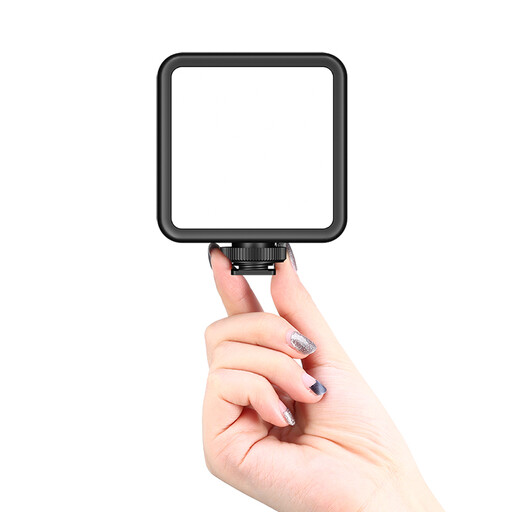 No image available
Consider this compact light where a battery-powered light is useful beside a close tabletop filming setup.
The listed features include a 2000 mAh battery, adjustable brightness, a 2500–9500 K colour-temperature range and a magnetic back.
For textile colour and a softened key light, check its colour-rendering figures, output through diffusion and suitable mounting options before buying.
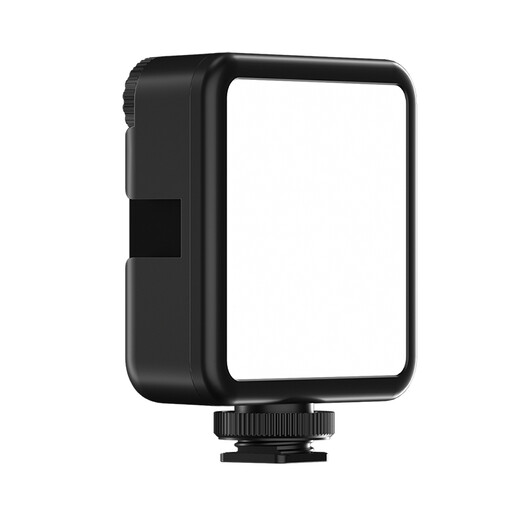 No image available
Consider this portable light if a cold-shoe mounting position suits your close-up camera arrangement.
Its listed features include a rechargeable 3000 mAh battery and adjustable brightness.
Check the colour-temperature range, colour-rendering figures and available diffusion before relying on it to show thread shades or soften shadows across the work surface.
Not if a clean-looking backdrop is enough, but a single light gives limited control over the subject and background separately. For a backdrop that records as pure white, 36exp Photographers’ School describes a softened subject light with separate lights aimed at the background; keep their spill off the hands and fabric.
A bi-colour light gives you an adjustable colour-temperature range when the room lighting changes or you need to repeat a setup. Set the camera’s white balance under the actual working light, particularly when thread and fabric colours are part of the instruction.
Only compare lux figures taken at matching distances, colour temperatures and modifier settings. A manufacturer’s reflector measurement and bare-light measurement describe different setups; neither alone tells you the output reaching a tabletop through your chosen diffuser.
Check the exact light and supplied power equipment against the seller’s Great Britain product information, including labelling, documentation and the plug or power adapter. GOV.UK’s Office for Product Safety and Standards guidance explains requirements under the Electrical Equipment (Safety) Regulations 2016 for equipment placed on the Great Britain market; do not assume a global model page establishes that a particular package meets them. Northern Ireland has distinct arrangements.