
24/7 Customer Support

Free returns

Same-day & Next-day Delivery

Quality Guaranteed

Unlock Your Welcome Offers: FREE Delivery | Up to 80% OFF | Free 30-day JoyPlus trial
Download the APP
Choosing vinegar is not simply a matter of picking the cheapest bottle. Rice vinegar, apple cider vinegar, balsamic vinegar, Chinese vinegar and Japanese vinegar can have very different acidity levels, sweetness, ingredients and ideal uses. The wrong choice may leave a salad unbalanced, sushi rice too sharp or a dumpling sauce overly salty.
This guide from the Joybuy Product Recommendation Officer explains what to check before buying vinegar in the UK, followed by practical recommendations for different cooking habits.
A plain rice vinegar usually contains vinegar as its main ingredient, while sushi vinegar may already contain sugar and salt. A seasoned dumpling vinegar can also include garlic, ginger, sweeteners or other flavourings.
These products are not interchangeable. Adding extra sugar and salt to ready-seasoned sushi vinegar can make rice unbalanced, while using a sweetened sushi vinegar in a pickling recipe may alter the result.
Always read the ingredient list before buying. Look for details such as vinegar type, added sugar, salt, flavourings and preservatives.
Terms such as “aged”, “mature” or “traditional” do not, on their own, tell you how the vinegar will taste or whether it suits your recipe. Check the stated ageing period, origin, ingredients and intended use.
For example, a three-year aged black vinegar may be suitable for dumpling dipping, cold dishes and soups, but its darker colour and fuller flavour may not be appropriate for a light pickle or delicate dressing.
Apple cider vinegar is often marketed for lifestyle purposes, but it remains an acidic food ingredient. Product descriptions should not be treated as medical advice or evidence of health benefits. If you use apple cider vinegar in a drink, follow the label instructions and dilute it thoroughly. Do not consume vinegar undiluted in large quantities.
For everyday value, choose a bottle primarily according to your cooking needs: dressings, marinades, sauces and pickles are straightforward uses.
Acidity is usually shown as a percentage, such as 5% acidity. This is useful when comparing products, although acidity alone does not determine flavour. A 5% rice vinegar can taste gentler than a similarly acidic wine vinegar because rice vinegar often has a softer, lightly sweet profile.
Do not assume that stronger acidity is automatically preferable. Match the vinegar to the dish and follow the recipe’s proportions.
The ingredient panel can reveal whether a bottle is a simple cooking vinegar or a prepared condiment. Some Chinese vinegars contain cereals such as wheat or barley, while flavoured products may include fish, kombu or other allergens.
For example, Yuho Sushi Vinegar contains fish and kombu extracts, while Zi Lin Shanxi Aged Vinegar lists barley and wheat bran. People managing allergies should check the packaging every time, as formulations and labelling can change.
Also compare nutritional information. Seasoned products may contain noticeably more sugar or salt than plain vinegar. Yuho Sushi Vinegar, for instance, lists sugar and salt as part of its ready-to-use recipe, whereas Pearl River Bridge Rice Vinegar lists water, rice and salt.
A 200–275ml bottle can be sensible for occasional sushi preparation or smaller households. A 450–500ml bottle is more practical for regular marinades, dressings, dipping sauces and cooking.
Storage instructions vary. Many vinegars can be kept in a cool, dry, dark cupboard before opening. Some products advise refrigeration after opening and prompt use, particularly Chinese brewed or seasoned vinegars. Keep the cap tightly closed and check the best-before information on the bottle.
The following options are matched to different kitchen routines rather than ranked against one another.
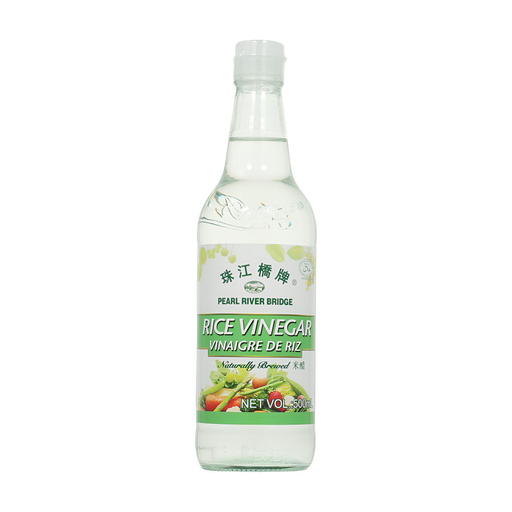
Why This Fits Their Persona: A useful cupboard staple for UK shoppers starting to cook Chinese or Southeast Asian recipes at home, including stir-fries, soups, salads and quick pickles.
The ingredient list is short: water, rice and salt. This makes it easier to judge how much sugar or seasoning your recipe needs.
500ml quantity; suitable for pickling, dipping sauces, salad dressing, soups and stir-fries.
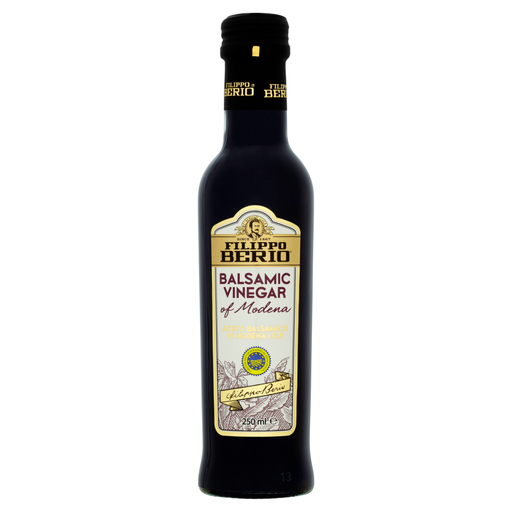
Why This Fits Their Persona: A compact Italian condiment for shoppers who want a darker, fruitier vinegar for salads, grilled fish, meat, vegetables, dressings and sauces.
The listed ingredients are wine vinegar, concentrated grape must and caramel colouring, so shoppers can distinguish it from a plain rice vinegar.
Made in Italy; 250ml bottle; ready to use as a condiment or cooking ingredient. Contains sulphites.
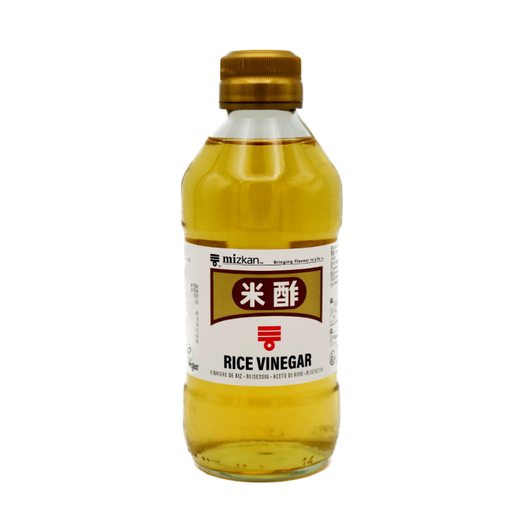
Why This Fits Their Persona: The smaller bottle suits occasional sushi nights, Japanese-style salads, marinades and pickling without committing to a large quantity.
It is plain rice vinegar rather than pre-seasoned sushi vinegar, allowing you to add salt and sugar to your preferred recipe.
5% acidity; no known allergens listed; suitable for sushi rice, dressings, marinades and pickling.
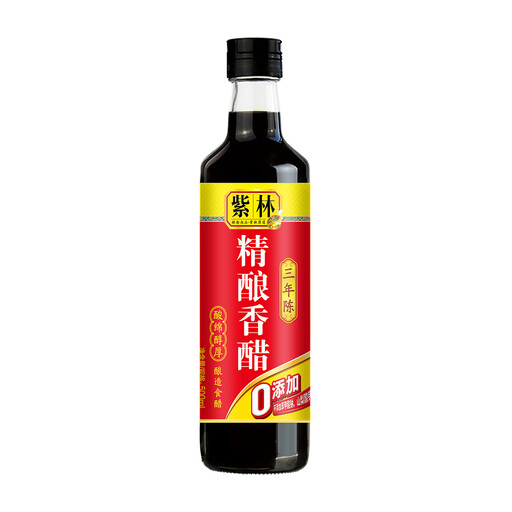
Why This Fits Their Persona: A 500ml Chinese black vinegar for households that regularly prepare dumplings, cold dishes, dipping sauces, soups and marinades.
The stated three-year ageing period and full cereal ingredient list provide more useful information than an unexplained “mature” label. It does contain gluten cereals.
Three-year aged; 500ml format; suitable for direct dipping and cooking. Natural sediment may occur.
We have compiled a complete, real-time list of products that fully satisfy these strict selection criteria and UK safety regulations.
Apple cider vinegar offers a fruity tang, while balsamic vinegar brings darker colour and sweetness. Rice vinegar works when you want a lighter, gentler dressing. Add oil gradually and adjust seasoning rather than assuming every vinegar has the same strength.
No. Plain rice vinegar generally requires sugar and salt to be added when seasoning sushi rice. Sushi vinegar is already blended with some or all of these ingredients. Check the label before following a recipe.
Follow the bottle’s instructions. Many plain vinegars can remain in a cool, dark cupboard, but some Chinese brewed or seasoned vinegars advise refrigeration and prompt consumption after opening. Keep the bottle sealed and use the printed best-before date as a guide.