
24/7 Customer Support

Free returns

Same-day & Next-day Delivery

Quality Guaranteed

Unlock Your Welcome Offers: FREE Delivery | Up to 80% OFF | Free 30-day JoyPlus trial
Download the APP
By Joybuy Product Recommendation Officer
Vinegar can look like a simple cupboard staple, but bottles vary considerably in flavour, acidity, ingredients and intended use. A mild apple vinegar may work well in a dressing yet lack the sharpness required for pickling, while a dark Chinese vinegar can add depth to dumpling sauce but change the colour of a delicate dish.
For UK households, the right choice depends less on attractive packaging and more on checking the label, fermentation method and practical cooking purpose.
White vinegar, white rice vinegar and distilled vinegar may all appear colourless, but their flavour profiles differ. Distilled vinegar generally has a clean, direct acidity, while white rice vinegar can have a softer, slightly rounded taste. This affects sushi rice, cucumber salads, dipping sauces and pickling brines.
These terms describe production or filtration characteristics, not whether a vinegar is appropriate for every recipe. Organic vinegar may suit shoppers prioritising certified organic ingredients, while raw vinegar with the Mother can contain natural sediment and have a more pronounced appearance or flavour. Neither automatically replaces a purpose-made cooking vinegar.
Also check the full ingredient list. Some products contain sugar, salt, flavour enhancers, caramel colour or honey. These may be useful in particular recipes, but they matter if you want an additive-free product or follow a vegan diet.
Apple cider vinegar and apple vinegar are concentrated acidic condiments. They should not normally be consumed undiluted in large quantities. If using vinegar in a diluted drink, follow the bottle’s instructions and consider whether added honey makes the product unsuitable for vegans. For regular consumption, people with reflux, gastrointestinal conditions, allergies or medication concerns should seek appropriate medical advice.
The acidity percentage is particularly important for marinades and pickling. A stated 5% acidity, such as that listed for De Nigris Apple Cider Vinegar, gives a useful reference point for recipes that specify acidity. However, follow the recipe rather than assuming bottles can be substituted one-for-one.
For everyday cooking:
Read beyond the front label. A simple bottle may contain only water, rice and salt, while another may include sugar, edible alcohol or flavour enhancer E621. For a vegan kitchen, avoid honey-containing fire cider products. For gluten avoidance, check grains such as wheat and barley, especially in Chinese black vinegar and aromatic vinegar.
Products marketed as “zero additive” should still be checked against the ingredient panel. The Qian He product listed below, for example, specifies water, rice and edible alcohol, with no added preservatives, colours or white sugar in the supplied product information.
A 350–500ml bottle is practical for most homes, but heavy users may prefer a larger format if available. Store vinegar in a cool, dry place away from direct sunlight and heat. Some raw and unfiltered products naturally develop sediment. This is not necessarily a fault; bottles may recommend shaking before use.
Once opened, follow the label’s storage guidance. Some vinegars can remain in a cupboard, while others recommend refrigeration or prompt use. Never rely solely on a general rule when the manufacturer provides specific instructions.
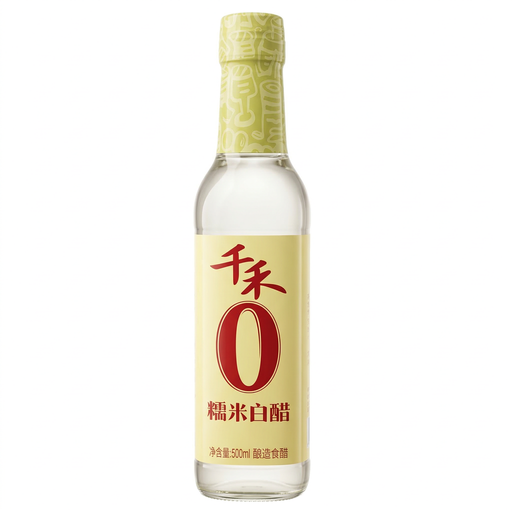
Why This Fits Their Persona: A straightforward 500ml option for UK cooks building a versatile cupboard, from cold dishes and dipping sauces to baking and light pickling.
The stated ingredients are water, rice and edible alcohol, helping shoppers avoid bottles with added sugar, colours or preservatives.
Colourless appearance; 500ml glass bottle; listed at 0g sugar and 0g salt per 100ml.
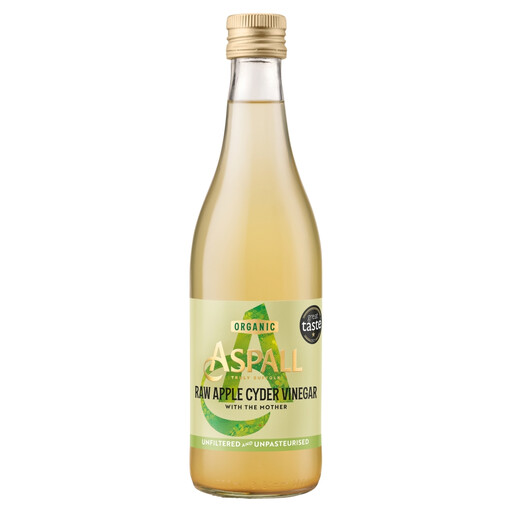
Why This Fits Their Persona: Suitable for shoppers seeking UK-produced, organic, raw and unfiltered apple cyder vinegar for dressings, quick pickles and diluted drinks.
Its supplied information clearly identifies the product as organic, unfiltered and unpasteurised, rather than leaving “raw” undefined.
100% organic apple cyder vinegar; suitable for vegans and vegetarians; natural sediment may occur.
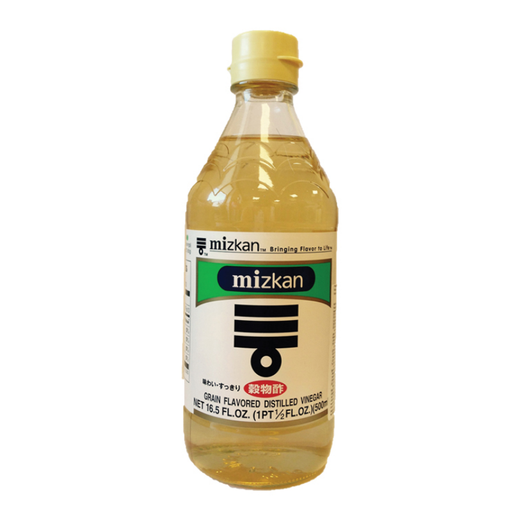
Why This Fits Their Persona: A practical choice for Asian cuisine enthusiasts and frequent cooks making sushi rice, sunomono, marinades and clear pickles.
The grain-based distilled vinegar and water formula is clearly stated, making it easier to assess flavour and recipe compatibility.
Colourless vinegar; ready for dressings, marinades and pickling; made in Japan.
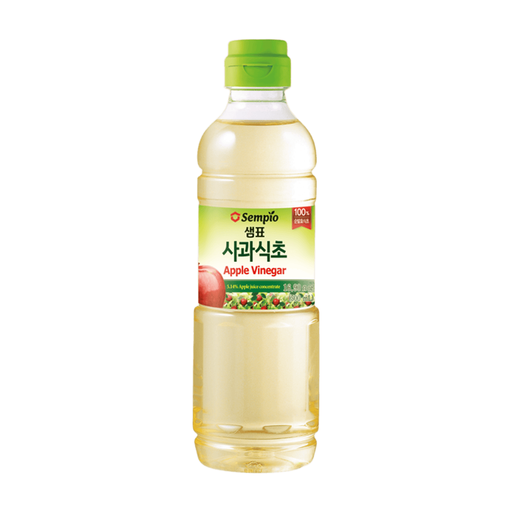
Why This Fits Their Persona: A Korean apple vinegar for shoppers who want fruity acidity in salads, marinades, sauces or a diluted drink.
The ingredient list contains apple vinegar and water, with no honey, making it suitable for vegan shoppers based on the supplied information.
500ml bottle; made in South Korea; listed as allergen-free in the supplied product details.
We have compiled a complete, real-time list of products that fully satisfy these strict selection criteria and UK safety regulations.
You can use apple cider vinegar for some pickling recipes, particularly when a fruity flavour is welcome. Check the recipe’s required acidity and the bottle’s label before substituting. Apple cider vinegar may darken pale vegetables slightly compared with a clear distilled vinegar.
Follow the product instructions. For example, some raw apple vinegars suggest mixing 15ml with approximately 300ml of water. Do not drink concentrated vinegar in large quantities, and avoid treating diluted vinegar as a replacement for a varied diet. Rinse your mouth with water afterwards if acidic drinks are a regular part of your routine.
Storage life depends on the product, packaging and label guidance. Many cooking vinegars are stored in a cool, dry cupboard, but raw products may develop sediment or become cloudy over time. Keep the cap tightly closed, use clean utensils and check the best-before information and appearance before use.