
24/7 Customer Support

Free returns

Same-day & Next-day Delivery

Quality Guaranteed

Unlock Your Welcome Offers: FREE Delivery | Up to 80% OFF | Free 30-day JoyPlus trial
Download the APP
Vinegar is a small cupboard essential, but choosing the wrong bottle can leave a dish too sharp, too sweet or lacking the flavour expected from an authentic recipe. UK shoppers also face a wide choice of Chinese vinegar, rice vinegar, black vinegar, balsamic vinegar and apple cider vinegar, often with similar-looking labels.
The key is to match the vinegar to its intended use rather than relying on phrases such as “premium”, “traditional” or “authentic” alone.
Plain rice vinegar is usually useful for dressings, pickling and general cooking because it gives acidity without greatly changing the seasoning. Sushi vinegar, by contrast, already contains ingredients such as sugar and salt. It is designed for sushi rice and may make a salad dressing or stir-fry unexpectedly sweet or salty.
Always check the ingredients before buying. Yuho Sushi Vinegar, for example, contains sugar, salt, bonito extract and kombu extract, while Pearl River Bridge Rice Vinegar lists water, rice and salt.
Aged vinegar generally has a deeper, rounder flavour, but it may be too rich for recipes that need clean acidity. Chinese aged vinegar and Shanxi-style vinegar are particularly suitable for dumpling dipping vinegar, cold dishes, soups and robust marinades. A mild rice vinegar may be more appropriate for sushi, cucumber salads or delicate pickling liquids.
The ageing period and brewing method are useful information, but they should be considered alongside flavour, ingredients and the dish you plan to prepare.
A 500ml vinegar bottle can offer practical value for families, shared student kitchens or frequent cooks, while a 200ml or 250ml bottle may be more sensible for occasional use. Large bottles can lose freshness or become inconvenient if they are not used regularly.
Also review allergen information. Some brewed Chinese vinegars contain wheat bran, barley or other gluten-containing cereals. Balsamic vinegar may contain sulphites, and seasoned sushi vinegar can contain fish. Storage instructions vary, too: some products advise refrigeration after opening, while others simply require a cool, dry place.
Acidity indicates how sharply the vinegar will taste and how it may perform in marinades or pickling. Mizkan Rice Vinegar specifies 5% acidity, providing a clear reference point for recipes that call for a measured strength. Not every listing uses the same format, so follow the product label when preparing preserves or marinades.
For everyday Chinese cooking, mild rice vinegar gives a clean tang, while black vinegar or aged vinegar usually contributes additional aroma, colour and depth. Balsamic vinegar has a sweeter profile because it contains concentrated grape must, making it suitable for salad dressing, grilled vegetables, meat and sauces.
Look for the main raw material: rice, glutinous rice, sorghum, wine vinegar, grape must or apples. Brewed vinegar is produced through fermentation, whereas some products may include added acidity, sweeteners, colouring or flavour enhancers.
This does not automatically make one type suitable for every buyer. A simple ingredient list may appeal to shoppers seeking a neutral cooking vinegar, while a seasoned or flavoured product can save preparation time. LAOCAICHEN brewed vinegar, for instance, includes garlic and ginger for a ready-made dumpling dip, but also contains potassium sorbate and sucralose.
Consider how often you cook Asian cuisine, Italian dishes or salad-based meals. A vinegar 500ml bottle is a practical everyday size for cooking, dipping sauces and marinades. Smaller bottles can help reduce cupboard clutter when you are trying a speciality flavour.
For a versatile cupboard, select a plain rice vinegar or aromatic Chinese vinegar. For a more specific recipe, Japanese rice vinegar, sushi vinegar, balsamic vinegar or apple cider vinegar may provide a more suitable flavour without extensive adjustment.
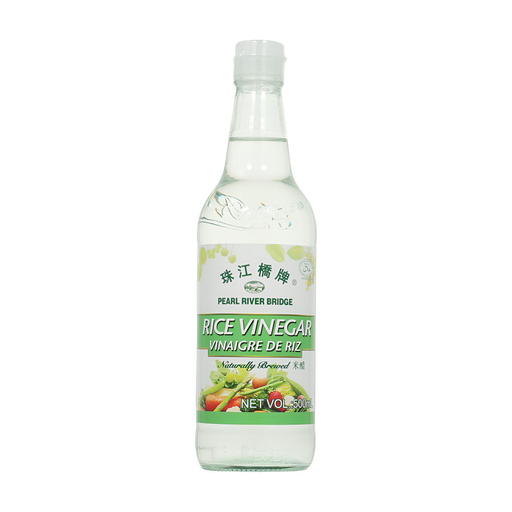
Why This Fits Their Persona: A straightforward 500ml option for students, families and first-time buyers building a practical Asian cooking cupboard.
Its listed ingredients are water, rice and salt, helping buyers avoid an unnecessarily sweet or heavily seasoned bottle.
Suitable for pickling, dipping sauces, salad dressings, soups and stir-fries; contains no listed allergens.
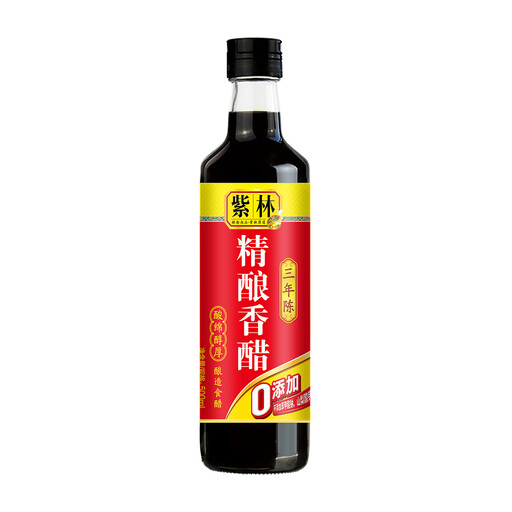
Why This Fits Their Persona: Suits cooks who want a fuller Chinese vinegar for dumplings, cold dishes, soups and marinades.
The listing states a three-year ageing period and identifies the grain ingredients, rather than relying only on vague premium wording.
Naturally brewed using solid-state fermentation; the 500ml bottle is ready to use and may naturally contain sediment.

Why This Fits Their Persona: A focused choice for home sushi makers who want a ready-to-use seasoning rather than mixing vinegar, sugar and salt separately.
The 200ml size limits cupboard waste for occasional sushi preparation, while the label clearly identifies sugar, salt and fish ingredients.
Ready to use for sushi rice; contains bonito and kombu extracts for a seasoned flavour profile.
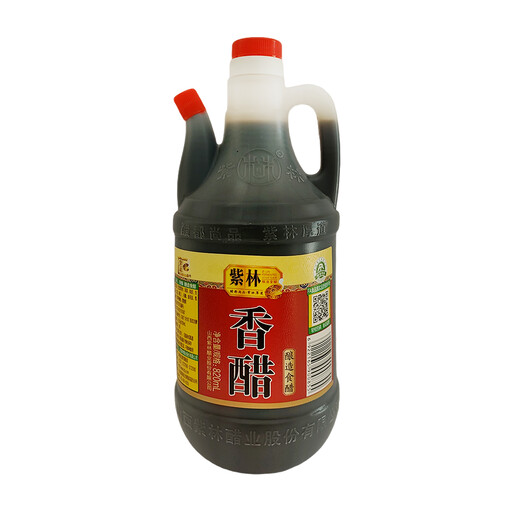
Why This Fits Their Persona: The larger bottle suits busy family kitchens, shared accommodation and cooks who regularly prepare Chinese meals.
The 820ml quantity is clearly stated, helping frequent users compare capacity instead of paying for a small speciality bottle.
Naturally brewed; suitable for dipping, cold dishes, stir-fries and soups. Contains wheat and barley allergens.
We have compiled a complete, real-time list of products that fully satisfy these strict selection criteria and UK safety regulations.
Chinese black vinegar, aged vinegar and aromatic vinegar are commonly used for dumpling dipping. Choose a plain variety if you want to add your own chilli oil, soy sauce, garlic or ginger. A flavoured option such as LAOCAICHEN may be more convenient, but check its sweetener, preservative and allergen information first.
Yes, but plain rice vinegar normally needs sugar and salt added separately to match the seasoning of sushi rice. Ready-made sushi vinegar already contains these ingredients, so it is more convenient but less neutral for general cooking.
Follow the bottle instructions. Many vinegars can be stored in a cool, dry cupboard with the cap tightly closed. Some products, including certain cold or seasoned vinegars, advise refrigeration after opening and prompt use. Always check the best-before information and discard the product if its smell, appearance or flavour changes noticeably.