What matters when choosing?
Decide how prominently the aquarium will be displayed, then weigh persistent-image use against the gaming modes your equipment can deliver.
| Concern |
What to check |
Who this matters to |
| Size and detail |
Compare a 31.5- to 32-inch screen at 3840 × 2160 with the space available on your desk. |
If the aquarium is the main attraction, I want a large, detailed scene without choosing extra gaming speed just for its own sake. Roughly 42% of consumers put size and detail first. |
| Long display sessions |
Consider the panel type and how you will handle fixed controls, taskbars or overlays; for OLED, check the model’s screen-care settings. |
When the same scene and desktop elements stay visible for hours, I want a setup whose care requirements fit my routine. Around 33% of consumers make persistent-display practicality their primary concern. |
| Gaming modes |
Match the intended 4K refresh-rate mode and variable refresh rate to the monitor input, source device and cable. |
If fast games are my main use, I want to know which modes my PC or console can actually deliver as well as how the aquarium looks. Approximately 25% of consumers prioritise gaming performance and HDR. |
Joybuy products for this setup
These Joybuy listings include a 32-inch-class Mini-LED display, OLED gaming monitors and a smaller 27-inch IPS alternative. Choose by how long the aquarium will stay visible and which gaming modes you need; the 27-inch option offers less of the large-screen format discussed above.
 No image available
ASUS ProArt Display PA32UCG-K 32-inch 4K Mini-LED monitor
Consider this for a large desk display when professional-monitor features also suit your use. The listing states a 32-inch 4K IPS Mini-LED panel, 120Hz refresh rate and an adjustable stand. Check the exact input modes and brightness specification for this variant before relying on them for gaming or HDR.
View on Joybuy
 No image available
Dahua 32-inch 4K 165Hz curved OLED gaming monitor
This OLED option fits an aquarium-and-gaming setup if you are prepared to manage fixed on-screen elements. The listing specifies a 31.5-inch 3840 × 2160 display, 165Hz at 4K, HDMI 2.1 and DisplayPort 1.4. Confirm that your source and cable support your intended mode, and use suitable screen-care and sleep settings.
View on Joybuy
 No image available
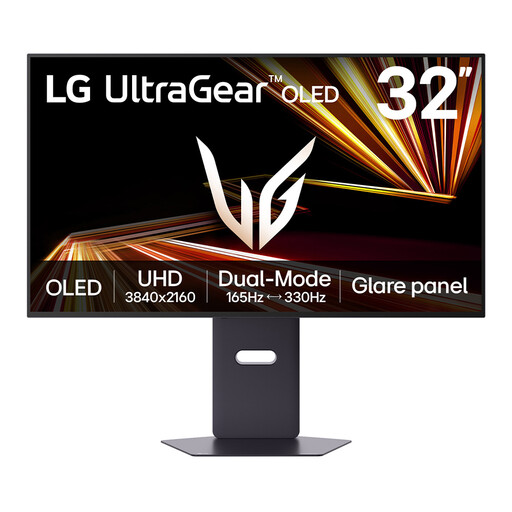
LG UltraGear 32GX850A-B 32-inch 4K OLED dual-mode monitor
Consider this if gaming is as important as displaying the aquarium and you can avoid leaving static elements visible for prolonged periods. The listing describes a 31.5-inch 4K OLED display with a 4K/165Hz mode, HDMI 2.1, DisplayPort 1.4 and stand adjustments. Check source compatibility for the mode you plan to use.
View on Joybuy
 No image available
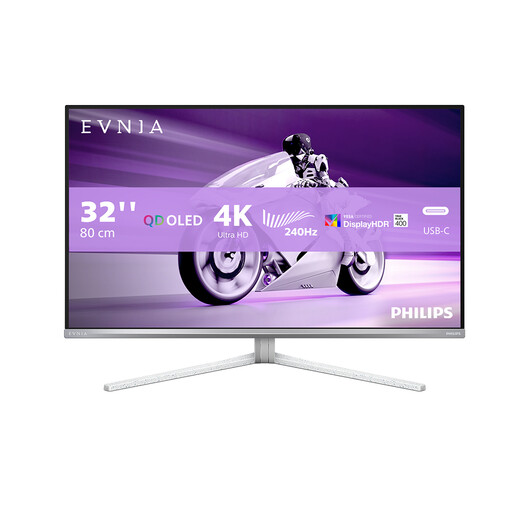
PHILIPS Evnia 32M2N8900 32-inch 4K OLED monitor
This 32-inch 4K OLED model is relevant when the aquarium shares the screen with gaming, provided you manage prolonged fixed images. Its listing gives conflicting refresh-rate figures of 240Hz and 175Hz; confirm the specification for this exact variant and its supported input mode before choosing it for high-refresh play.
View on Joybuy
 No image available
LG UltraGear G8 27G850A 27-inch 4K Nano IPS monitor
Choose this smaller alternative only if a 27-inch display gives you enough space for the aquarium. The listing describes a 4K Nano IPS dual-mode gaming monitor with a 4K/240Hz mode, HDMI 2.1 and DisplayPort 2.1. Check the selected mode against your PC or console and cable; its screen is smaller than the 31.5- to 32-inch starting point.
View on Joybuy
Frequently asked questions
Is a 32-inch 4K monitor a sensible starting point for a virtual aquarium?
Yes, if you want one large desktop display rather than an ultrawide layout. Dell, LG and ASUS document 31.5- to 32-inch 4K models with different panel types and refresh rates; check desk fit and how long the aquarium will remain visible before choosing a faster gaming model.
Should I avoid OLED if the aquarium stays on screen all day?
OLED remains an option, but prolonged fixed content needs active management. Samsung warns that fixed images left visible for long periods can contribute to OLED burn-in; consider IPS, VA or Mini-LED if persistent desktop elements are central to your use, or check an OLED model’s screen-care functions and set display sleep behaviour.
What do I need for 4K gaming at 144Hz or more?
You need a compatible mode across the monitor input, source device and cable. For its 32GR93U-B, LG specifies a graphics card supporting DisplayPort 1.4 with DSC or HDMI 2.1 for 4K at 144Hz; check the requirements of the exact monitor and PC or console you intend to connect.
What should I do with an old monitor?
Check electrical-waste collection or take-back options rather than putting it with general household waste. GOV.UK describes waste electrical and electronic equipment rules as supporting recovery, reuse and recycling; ask your local authority or retailer which options are available to you.


