
24/7 Customer Support

Free returns

Same-day & Next-day Delivery

Quality Guaranteed

Unlock Your Welcome Offers: FREE Delivery | Up to 80% OFF | Free 30-day JoyPlus trial
Download the APP
Choosing Vital Baby Nurture baby feeding products can make bottle preparation, breastfeeding, sterilising and cleaning more manageable. However, attractive packaging and broad promises do not always tell you whether an item suits your baby’s age, your feeding routine or the space available in your home.
Whether you are preparing for a newborn, combination feeding or buying supplies for a growing baby, focus on practical specifications rather than buying a complete set automatically.
A larger bottle does not mean your baby needs a faster teat. Flow rate should match feeding development. A newborn may need a slower flow, while an older baby may manage a medium or fast flow. Moving up too quickly can make feeds difficult, while a flow that is too slow may lead to frustration.
Check the stated age guidance, but also observe your baby’s feeding pattern and follow professional advice where needed. Vital Baby Nurture bottles and replacement teats are available in stages including 0m+ newborn, 1m+ slow, 3m+ medium and 6m+ fast flow.
Steam sterilisers use heat and water, whereas a UV baby steriliser uses light and may also include a drying or storage function. These systems have different cleaning routines, capacity limits and running requirements.
A UV unit does not replace washing. Bottles, breast pump parts and teats still need to be thoroughly cleaned and rinsed before sterilisation. Overcrowding can also prevent adequate exposure, so the internal capacity matters more than the headline cycle time.
Feeding products contain parts that wear down. Silicone teats, pump valves, seals, sponges and brush bristles should be inspected regularly and replaced when damaged or weakened. A low purchase price may be less useful if compatible replacement parts are difficult to source.
Before buying, check whether the product is dishwasher-safe, compatible with your preferred sterilising method and simple to disassemble. These details affect the ongoing effort and cost of daily use.
For families combining breastfeeding and bottle feeding, breast-like baby bottles with a wide-neck, flattened teat may provide a familiar shape. The Vital Baby Nurture breast-like teats use FlexZone technology, designed to allow movement and flexing during feeding. The teats also include triple anti-colic valves, which are intended to manage air intake during a feed.
This does not guarantee that a baby will accept a particular bottle or experience no discomfort. Babies respond differently, so it is sensible to buy a small quantity before purchasing a large selection of replacement teats.
Look for clearly listed materials and suitability for your routine. The referenced Vital Baby Nurture teats use food-grade silicone, while the bottles use polypropylene. The products are listed as BPA-free, latex-free and phthalate-free.
Check the maximum dishwasher temperature and sterilisation instructions. Several of the bottles and teats are suitable for top-rack dishwasher cleaning up to 65°C and for steam, cold-water or microwave sterilisation, subject to the individual instructions.
For a home steriliser, compare:
For travel, a compact rechargeable unit may suit small items such as soothers and teats, but it is not a replacement for a larger steriliser when you need to process several bottles.
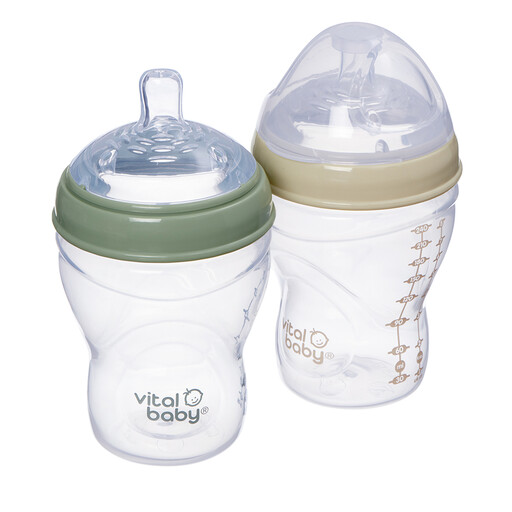
Why This Fits Their Persona: A two-bottle pack offers a straightforward starting point for new parents who want to establish a manageable bottle-washing routine without immediately buying a large collection.
The 240ml bottles have a stated self-sterilising microwave function, but buyers should still follow the manual, use the required water amount and wash every part after feeding.
Includes breast-like FlexZone teats and triple anti-colic valves; bottles are listed as BPA-, latex- and phthalate-free.
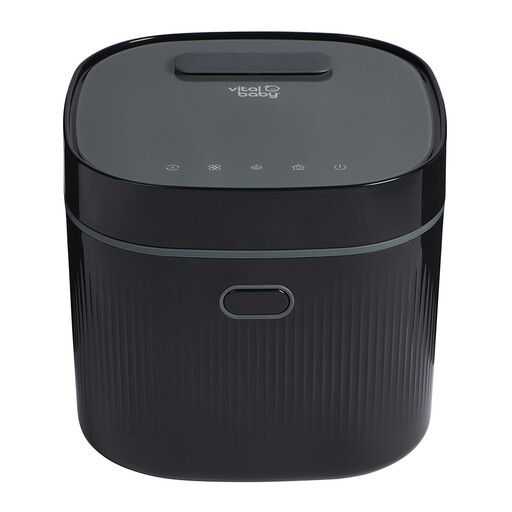
Why This Fits Their Persona: Suitable for households wanting a multi-function appliance for bottles, breast pump parts and other small items, with less reliance on water-based sterilising.
It provides stated Sterilise, Dry, Auto and Store modes, making the operating process clearer than a basic unit with one cycle. Items must still be washed and arranged without overcrowding.
Offers a 22-minute Auto mode, a 17-minute Dry mode and HEPA G4 filtration; the listed package dimensions are 27 × 27 × 24.5cm.
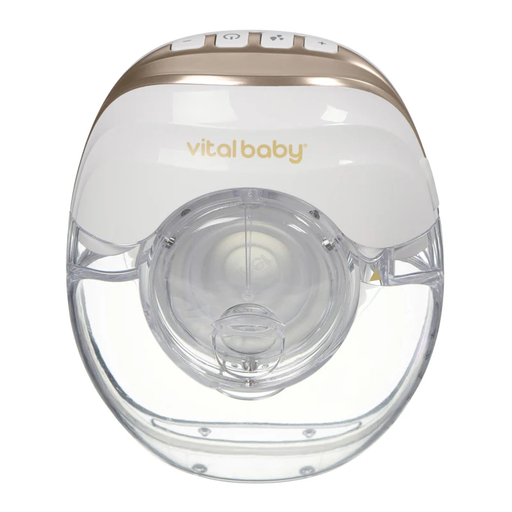
Why This Fits Their Persona: A practical option for breastfeeding or combination-feeding parents who need flexibility between powered use at home and manual use when travelling.
The hybrid format avoids depending solely on a mains-powered pump. Correct assembly and inspection of silicone valves, seals and the cup remain essential for consistent operation.
Includes nine speed settings, dual-phase expression, a manual handle and a 150ml bottle; milk-contact parts require cleaning after each session.
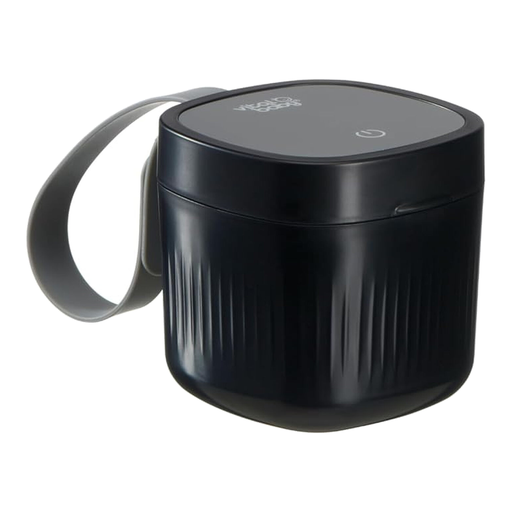
Why This Fits Their Persona: Compact enough for a changing bag or pram, this model suits days out when a soother, teat or small teething item needs attention away from home.
Its compact format makes its intended use clear: it is for small items, not a substitute for a full-capacity baby bottle steriliser. Visible debris should be removed before the cycle.
USB rechargeable, supplied with a silicone carry strap and specified with a 59-second cycle for suitable small accessories.
A bottle system is only convenient when cleaning and preparation are equally manageable. The Vital Baby Nurture Deluxe Bottle Brush combines a large brush with sponge tip and a teat brush stored in the handle. Allow it to air-dry fully and replace it if bristles loosen or the sponge deteriorates.
For breastfeeding households, breast pads for breastfeeding can help manage everyday leakage. The Ultra Comfort Breast Pads 56 Pack has individually wrapped pads, adhesive tabs and a contoured shape. Change them regularly and stop use if irritation occurs.
For expressed milk, the supplied listing for Vital Baby Nurture Easy Pour Breast Milk Storage Bags 30 × 250ml should be checked carefully before purchase, as the product information appears inconsistent with the displayed name. Verify the item details, capacity and intended use on the product page.
The breast-like teat shape and FlexZone construction are designed for families moving between breast and bottle. Acceptance varies between babies, so begin with the correct flow rate and avoid changing several feeding variables at once.
Inspect anti-colic bottle teats before every use, pulling them gently in different directions. Replace them at the first sign of weakness, tearing or damage. The medium-flow listing recommends replacement every two months, but frequent use, biting and sterilisation may require earlier replacement.
Running costs depend on the appliance’s power rating, cycle frequency and household electricity tariff. A UV unit avoids water and descaling, but it still uses electricity and needs cleaning. Compare the manufacturer’s wattage and cycle duration rather than assuming one technology will always cost less.
We have compiled a complete, real-time list of products that fully satisfy these strict selection criteria and UK safety regulations.