
24/7 Customer Support

Free returns

Same-day & Next-day Delivery

Quality Guaranteed

Unlock Your Welcome Offers: FREE Delivery | Up to 80% OFF | Free 30-day JoyPlus trial
Download the APP
Feeling tired, comparing high-strength formulas or looking for a vegan vitamin B complex? The label can make one product appear dramatically different from another, but large percentages and phrases such as “sustained energy” do not always mean better value or a better fit.
As the Joybuy Product Recommendation Officer, I focus on the details that help shoppers cut through marketing language. Here are the main buying traps to avoid, followed by practical product matches for different needs.
Many B-complex products display several thousand per cent of the Nutrient Reference Value (NRV). NRV is a reference amount used for food labelling; it is not a recommended target for everyone. A formula with 50 mg or 100 mg of several B vitamins may be unnecessary for someone simply seeking general nutritional support.
Check the amount per serving, not only the percentage. Also compare your multivitamin, fortified foods and separate vitamin B12 supplement to avoid unintentionally duplicating ingredients.
Vitamin B complex for energy does not work like caffeine and should not be expected to create an instant lift. B vitamins contribute to normal energy-yielding metabolism, but tiredness can have many causes, including poor sleep, stress, an unbalanced diet or an underlying health issue.
Be cautious with product pages that suggest a supplement will eliminate fatigue or replace lifestyle changes. Persistent or unexplained tiredness should be discussed with a GP.
A product may contain gelatine, dairy, gluten, soya or other ingredients that do not suit your diet. Capsule size, taste and dosage also affect whether you will use it consistently.
A sustained-release tablet may appeal if you prefer one daily dose, while a lozenge or liquid vitamin B complex can be more convenient if swallowing capsules is difficult. Always check the current packaging, allergen statement and directions before purchase, as formulations can change.
A complete formula usually includes B1, B2, B3, B5, B6, B7 (biotin), B9 (folate) and B12. This may suit shoppers wanting broad nutritional coverage.
A separate vitamin B12 supplement is more targeted. It can be useful for people who eat little or no animal-derived food, but a high-dose B12 product should not automatically be added to a high-strength B complex. For example, some B-complex capsules already contain 100 micrograms of B12 per serving.
Look at the form of B12, such as cyanocobalamin or methylcobalamin. Methylcobalamin B12 is used in several products, but the presence of a particular form does not by itself establish that one supplement is suitable for everyone.
Compare the amounts of B6, niacin, folate and B12 across products. Higher-strength formulas can be appropriate for shoppers who have specifically chosen that level, but they are not necessarily the most economical choice for routine use.
Some products use methylfolate or methylcobalamin, while others use folic acid or cyanocobalamin. These are objective formulation differences. If you take prescribed medicines, have a medical condition, are pregnant or breastfeeding, ask a healthcare professional before choosing a high-strength product.
Choose the format you are most likely to take correctly:
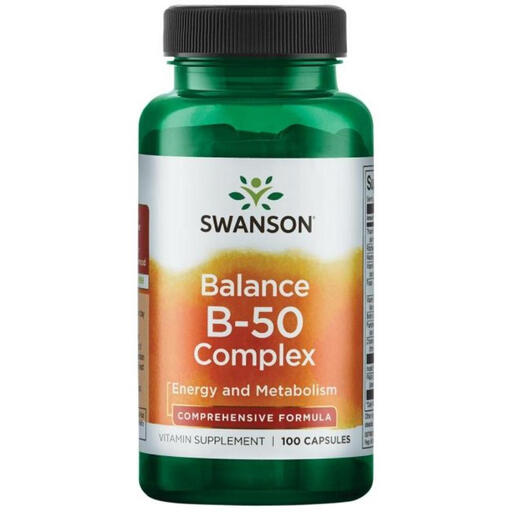
Why This Fits Their Persona: A straightforward one-capsule daily format for adults comparing full-spectrum coverage without choosing an individual B vitamin.
The label lists each B vitamin and its amount, making it easier to compare dose rather than relying on general energy language.
Contains B1, B2, B3, B6, folate, B12, biotin and pantothenic acid, plus choline, inositol and PABA.
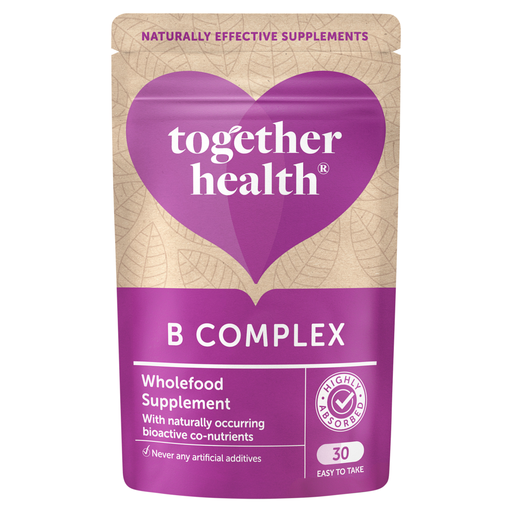
Why This Fits Their Persona: Suits shoppers who prioritise a wholefood-style ingredient profile and a vegan capsule for everyday use.
Its ingredient list shows the nutritional yeast and plant-based capsule rather than relying solely on vague “natural” positioning.
Provides eight B vitamins, 50 mg vitamin C and methylcobalamin B12; listed as free from wheat, soya, gluten and dairy.
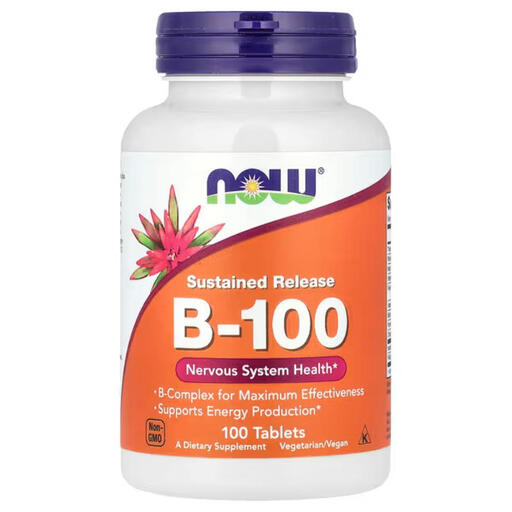
Why This Fits Their Persona: Designed for adults specifically seeking a high-strength, sustained-release format with one tablet daily.
The release format is clearly stated, and the directions specify taking the tablet with food without crushing or chewing it.
Supplies B1, B2, B3, B6, folate, B12, biotin and pantothenic acid, and is listed without gluten, dairy, soya, egg, fish or shellfish ingredients.
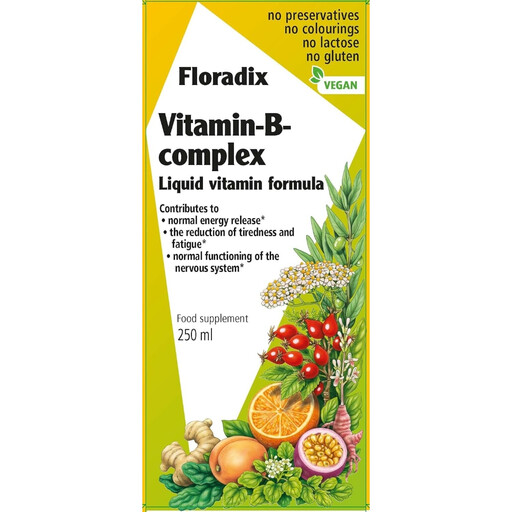
Why This Fits Their Persona: A practical option for adults who prefer a measured liquid to tablets or capsules.
The serving size is stated as 20 ml, with storage instructions after opening, helping shoppers plan use and avoid waste.
Provides B1, B2, B3, B6, biotin and B12, with fruit juice concentrates and herbal extracts; it is suitable for vegetarians.
We have compiled a complete, real-time list of products that fully satisfy these strict selection criteria and UK safety regulations.
B vitamins contribute to normal energy-yielding metabolism, and some authorised nutrition claims relate to the reduction of tiredness and fatigue for specific B vitamins. However, supplements are not a diagnosis or treatment for ongoing fatigue. Consider diet, sleep and medical advice if symptoms continue.
Follow the product label. Many tablets and capsules recommend taking them with a meal, which can make them easier to tolerate. A sustained-release tablet should not be crushed or chewed if the instructions prohibit this.
Check the amounts first. A B complex may already contain B12, while a separate lozenge can provide a much higher dose. Avoid stacking products without checking the total intake, and ask a pharmacist or GP if you take medicines, have a health condition or need B12 for a confirmed deficiency.