
24/7 Customer Support

Free returns

Same-day & Next-day Delivery

Quality Guaranteed

Unlock Your Welcome Offers: FREE Delivery | Up to 80% OFF | Free 30-day JoyPlus trial
Download the APP
Long working days, limited meal choices and plant-based diets can lead many UK shoppers to consider vitamin B complex supplements. However, choosing a product by the largest number on the front of the pack can create unnecessary cost and confusion.
A practical buying decision starts with the label. A complete vitamin B complex may contain B1, B2, B3, B5, B6, B7, B9 and B12, while a single-nutrient product such as vitamin B12 supplements or vitamin B6 supplements may be more appropriate for a specific dietary requirement.
A high-strength formula is not automatically the right choice for daily use. Some B-complex products provide tens or hundreds of milligrams of individual nutrients, even though the body’s requirements vary considerably between vitamins.
Pay particular attention to vitamin B6. Long-term intake of high amounts from supplements can carry safety concerns, and some product labels specifically warn about tingling or numbness. Add up B6 from multivitamins, energy products and separate P-5-P vitamin B6 capsules before buying another formula.
B12 may appear as cyanocobalamin, methylcobalamin or other forms. The amount, delivery format and recommended use differ between products. A capsule, chewable nugget, oral spray, liquid vitamin B complex and liposomal vitamin B12 are not interchangeable simply because they carry the same nutrient name.
Look for the actual amount per serving in micrograms, then check whether the product is intended to be swallowed, dissolved or sprayed in the mouth.
“Vegan” on a product title does not mean every item in the range is suitable for a vegan diet. Capsules may use gelatine, and formulas can contain milk, soya, nuts or other allergens. For example, some B12 sprays use phospholipids from soya, while certain B-complex products use vegetable capsules.
Always read the ingredients, allergen statement, dosage and storage instructions on the supplied packaging. Formulations can change.
Choose a vitamin B complex when you want several B vitamins in one daily product. Full-spectrum formulas commonly include B1, B2, vitamin B3 niacin, B5, B6, folate, biotin and B12. Some also add choline or inositol.
A targeted product may make more sense if you specifically want vitamin B12 supplements, vitamin B3 niacin or B6. This approach can help avoid doubling up on nutrients already present in a multivitamin.
Capsules and tablets are easy to store and often provide a clear one-a-day routine. A sustained-release vitamin B complex is designed to release its contents over time, but it should not normally be crushed or chewed unless the label says otherwise.
Sprays and liquids can suit people who dislike swallowing tablets. Check the number of sprays or millilitres per serving, flavourings, preservatives and opening-life instructions. A liquid may require refrigeration after opening, while tablets generally need a cool, dry cupboard.
Compare the amount per serving, not just the product name. For B12, labels may show 100 micrograms, 1,000 micrograms or more. For B6, check whether the source is pyridoxine hydrochloride or P-5-P, also known as pyridoxal-5-phosphate.
The label should provide a recommended daily intake and, where applicable, a Nutrient Reference Value (NRV). Do not exceed the stated dose. Food supplements should complement a varied, balanced diet rather than replace it.
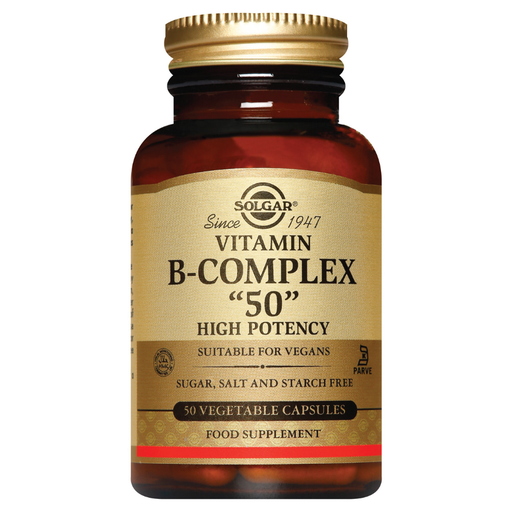
Why This Fits Their Persona: A one-capsule daily format suits adults who want broad B-vitamin coverage without selecting several separate products.
The label lists its B vitamins and gives a defined maximum of one capsule daily, making the serving easier to compare.
Vegan capsule; contains B1, B2, B3, B5, B6, B12, folic acid and biotin.
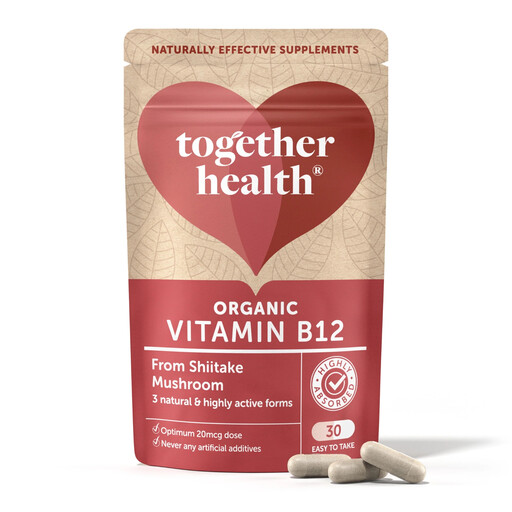
Why This Fits Their Persona: A plant-based shopper may prefer an organic mushroom-derived capsule with clearly stated B12 forms.
The ingredient panel identifies methylcobalamin, adenosylcobalamin and hydroxocobalamin rather than using a vague “advanced B12” description.
Vegan and organic positioning; one capsule provides 20 micrograms of vitamin B12.
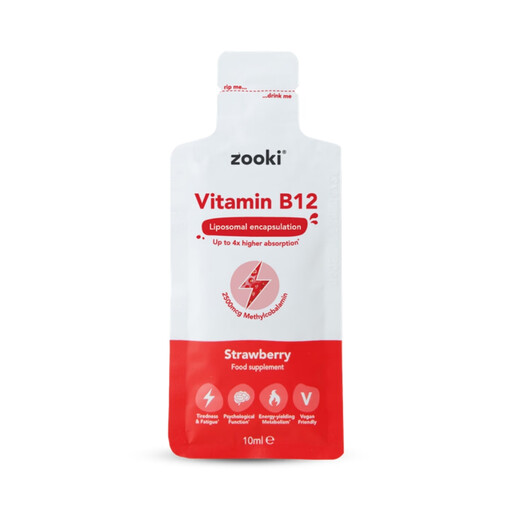
Why This Fits Their Persona: The liquid format suits adults who avoid tablets and want a measured, high-potency B12 serving.
Its serving size is stated as 1 ml, with the B12 form and amount shown clearly on the product information.
Methylcobalamin B12; liquid serving can be taken directly or mixed with water.
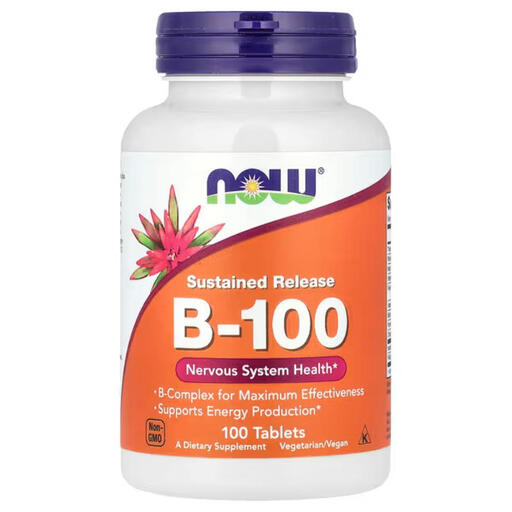
Why This Fits Their Persona: A one-tablet routine and 100-tablet pack can suit people managing supplements around work and travel.
The sustained-release format is identified on the label, with instructions not to crush or chew the tablet.
Full B-complex formula; free from several listed allergens, including gluten, dairy, egg and fish.
We have compiled a complete, real-time list of products that fully satisfy these strict selection criteria and UK safety regulations.
Some are, but not all. Check for a vegan capsule or tablet, and review ingredients such as gelatine, dairy and fish-derived components. Vegan vitamin B supplements may use cyanocobalamin or methylcobalamin B12, so the form should also be checked.
A B-complex provides several B vitamins, while a vitamin B12 spray focuses on one nutrient and may suit people who dislike capsules. Compare the serving amount, B12 form, spray frequency and allergens, including soya where applicable.
Shelf life varies by product. Tablets and capsules are generally stored in a cool, dry place, while liquid products may require refrigeration or use within a specified period after opening. Follow the product label, keep packaging sealed and do not use products past the stated best-before date.