
24/7 Customer Support

Free returns

Same-day & Next-day Delivery

Quality Guaranteed

Unlock Your Welcome Offers: FREE Delivery | Up to 80% OFF | Free 30-day JoyPlus trial
Download the APP
A vitamin C serum can be a useful addition to a UK skincare routine if you want to improve the appearance of dullness, uneven tone or dark marks. However, choosing one is not simply a matter of selecting the highest percentage on the label. Formula type, supporting ingredients, packaging and your skin’s tolerance all affect whether a serum is practical for regular use.
A high concentration may look impressive, but pure ascorbic acid can feel more active on the skin than a stable derivative. Beginners or people with sensitive skin may prefer a lower-strength formula or a product containing soothing and hydrating ingredients.
Check whether the label refers to pure vitamin C, a vitamin C derivative or a botanical source such as citrus or sea buckthorn. These are not interchangeable measurements.
Some products described as a brightening serum contain a relatively modest amount of vitamin C but add ingredients such as niacinamide, salicylic acid, tranexamic acid, glutathione or alpha-arbutin. This is not necessarily a weakness, but buyers should understand what they are purchasing.
For example, a dark spot serum may be designed around several complementary ingredients rather than vitamin C alone. Read the INCI list and avoid relying only on front-of-pack phrases such as “glow” or “radiance”.
Vitamin C formulas can be affected by heat, light and air. A product that changes colour, smell or texture may no longer be suitable for use. Store the bottle according to its packaging instructions and close it securely after application.
A brightening routine should also include broad-spectrum SPF during the day. Vitamin C does not replace sunscreen, particularly when addressing the appearance of pigmentation linked to sun exposure.
Common options include:
A percentage should be considered alongside the rest of the formulation. A 10% pure vitamin C face serum and a serum containing a stable derivative are different products, even if both are marketed for brightness.
Look for ingredients that match your skin’s needs:
If your routine already includes exfoliating acids or retinoids, introduce one new active at a time. This makes it easier to identify the source of any irritation.
A watery serum can layer easily beneath moisturiser and make-up, while an oil-based or silicone-containing product may leave a smoother finish. Neither is automatically preferable; the right texture is the one you will use consistently.
For UK bathrooms, choose practical packaging and keep the product away from direct sunlight, radiators and damp areas. Follow the stated directions, avoid the eye area and patch test if your skin is reactive.
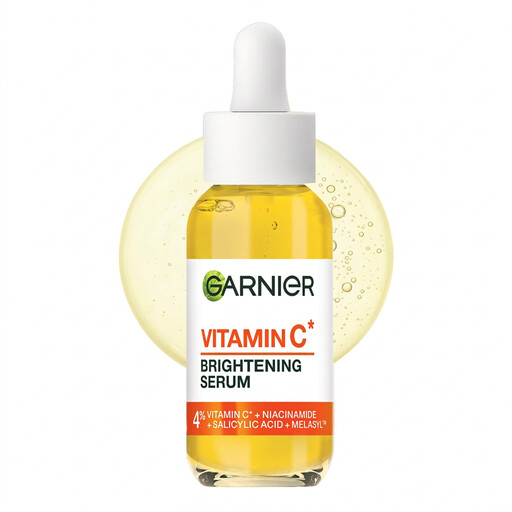
Why This Fits Their Persona: A straightforward choice for shoppers starting a daily brightening routine without wanting a heavy or greasy texture. Its 30ml size is practical for trying a targeted serum before committing to a larger routine.
It clearly lists a 4% vitamin C derivative alongside niacinamide and salicylic acid, rather than relying only on a vague “glow” claim.
Lightweight, fast-absorbing texture; includes niacinamide and sodium hyaluronate.
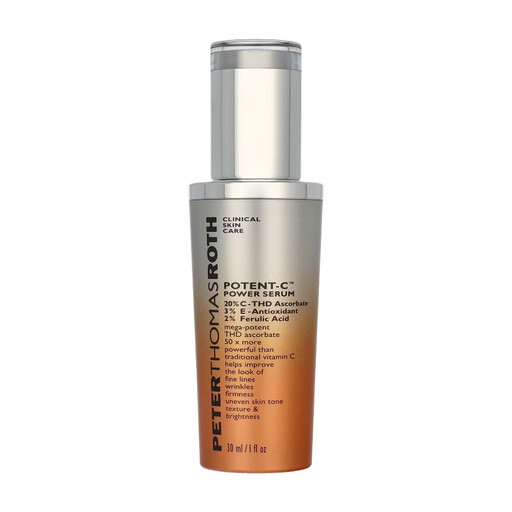
Why This Fits Their Persona: Suits shoppers looking for a concentrated formula with a richer supporting ingredient profile for face and neck use.
The formula identifies 20% THD ascorbate, 3% vitamin E and ferulic acid, giving buyers specific concentration information.
Contains squalane and sodium hyaluronate; designed for daily face and neck application.
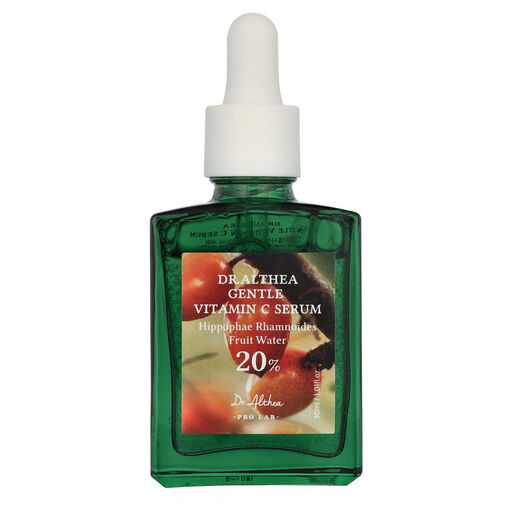
Why This Fits Their Persona: Its watery texture and short ingredient list make it suitable for shoppers who prefer simple layering and are cautious about stronger formulas.
It uses 3-O-ethyl ascorbic acid rather than presenting a high pure-acid percentage as the only measure of performance.
Includes 5% niacinamide, green tea leaf water and allantoin; fast-absorbing finish.
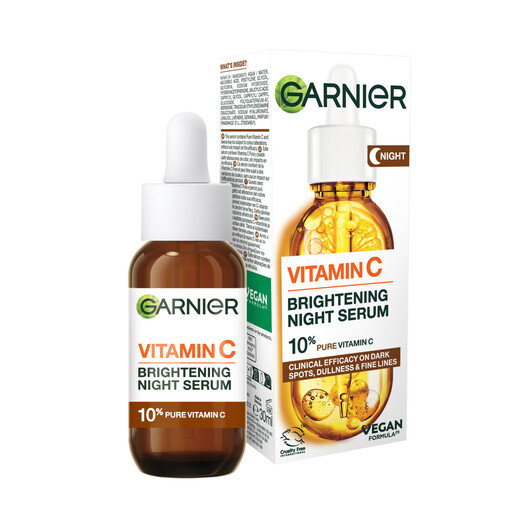
Why This Fits Their Persona: Designed for shoppers who prefer a dedicated overnight vitamin C serum and want a clearly defined evening step.
The product states a 10% pure vitamin C formula and gives specific instructions for three to four drops each night.
Contains sodium hyaluronate; lightweight water-based texture intended for nightly use.
We have compiled a complete, real-time list of products that fully satisfy these strict selection criteria and UK safety regulations.
Apply the serum after cleansing and before moisturiser, following the product’s specific directions. Start with a small amount and use it on alternate days if your skin is sensitive. Do not apply to broken or irritated skin, and avoid combining several new active ingredients at once.
Use sunscreen every morning. If persistent redness, itching, swelling or stinging develops, stop use and seek appropriate medical advice if symptoms continue.
There is no single lifespan for every formula. Follow the packaging guidance and storage instructions. Many products are supplied in 30ml bottles and should be used consistently rather than left open for long periods. Changes in colour, odour or texture are reasons to stop using the product and check the label or retailer guidance.
Some products are directed for daily morning and evening use, while beginners may prefer to start less frequently. Check the concentration and vitamin C type, patch test when appropriate, and avoid applying it alongside several potentially irritating actives until you know how your skin responds.
It can be, but suitability depends on the complete formula. A sensitive skin serum with a stable derivative, soothing ingredients and a lightweight texture may be more comfortable than a high-strength pure ascorbic acid product. Review fragrance, alcohol, exfoliating acids and the full ingredient list before buying.