
24/7 Customer Support

Free returns

Same-day & Next-day Delivery

Quality Guaranteed

Unlock Your Welcome Offers: FREE Delivery | Up to 80% OFF | Free 30-day JoyPlus trial
Download the APP
A vitamin C serum can be a useful addition to a UK skincare routine, particularly if dullness, visible dark spots or an uneven-looking complexion are your main concerns. However, choosing by concentration or attractive claims alone can lead to irritation, wasted money and a product that sits unused in a bathroom cabinet.
The label “brightening serum” covers several different formula types. Some use pure ascorbic acid, while others contain stable derivatives, fruit extracts or supporting ingredients such as niacinamide and hyaluronic acid. The right choice depends on your skin’s tolerance, your preferred texture and how consistently you plan to use it.
A higher stated percentage may appeal to shoppers seeking a high-potency formula, but it does not tell you everything about the product. Check whether the vitamin C is listed as ascorbic acid or a derivative such as 3-O-Ethyl Ascorbic Acid, Sodium Ascorbyl Phosphate or Tetrahexyldecyl Ascorbate.
Pure ascorbic acid formulas may feel more active on the skin and can be less suitable for beginners or reactive complexions. Derivatives are often selected for their formulation stability and generally lighter, more comfortable daily use. Neither option guarantees the same result for every person.
A serum can improve the appearance of dullness or uneven tone over time, but pigmentation has many possible causes. Marketing terms such as “melanin control”, “glass skin” and “overnight radiance” should be treated as descriptions of intended cosmetic use, not guaranteed outcomes.
For a serum for hyperpigmentation or post-blemish marks, look at the complete ingredient list. Useful supporting ingredients may include niacinamide, tranexamic acid, glutathione, alpha-arbutin or liquorice-derived ingredients. Daily sunscreen remains essential because UV exposure can make visible discolouration more persistent.
A vitamin C face serum may also contain fragrance, alcohol, salicylic acid, exfoliating acids or essential oils. These are not automatically unsuitable, but they can matter if you have sensitive, acne-prone or dehydrated skin.
Also consider packaging and storage. A dropper or pump should close securely, and products containing vitamin C should generally be kept away from direct sunlight and high temperatures. Changes in colour, smell or texture can indicate that a product should no longer be used; always check the current packaging guidance.
If you want a traditional active formula, pure L-Ascorbic Acid is the ingredient to identify on the INCI list. L’Oréal Revitalift Clinical lists 12% pure vitamin C, while Garnier Vitamin C Anti Dark Spot Night Serum lists 10% pure vitamin C.
More gentle options use derivatives. Beauty of Joseon Light On Serum lists 10% 3-O-Ethyl Ascorbic Acid, and Peter Thomas Roth Potent-C Power Serum lists 20% Tetrahexyldecyl Ascorbate. These percentages should not be compared as if they represent identical ingredients.
For dehydrated skin, look for glycerin, panthenol, betaine, squalane or hyaluronic acid. Those seeking a niacinamide serum and vitamin C product in one may prefer a formula that lists niacinamide prominently.
Centella asiatica, beta-glucan, allantoin and ceramides may suit shoppers prioritising a more comfortable routine. If you are buying a serum for sensitive skin, a short ingredient list and fragrance-free formula can make product selection easier, although patch testing is still sensible.
A watery serum can layer easily beneath moisturiser and SPF, while an oil-based or dual-phase product may feel more nourishing at night. Check whether the product is directed for morning use, evening use or both.
Avoid introducing several new active products at once. For example, combining vitamin C with salicylic acid, exfoliating acids or retinoids may be too much for some skin types. Start with a small amount on clean skin, follow with moisturiser and use broad-spectrum sunscreen during the day.
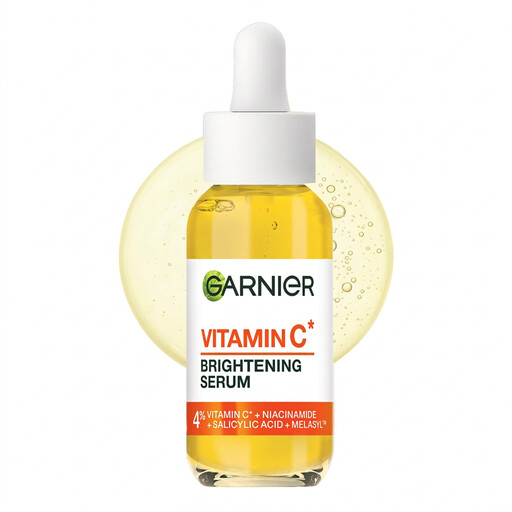
Why This Fits Their Persona: A practical starting point for shoppers who want a lightweight daily serum without committing to a high-strength pure ascorbic acid formula.
Its ingredient list identifies a 3-O-Ethyl Ascorbic Acid derivative rather than relying only on a vague vitamin C claim.
Contains niacinamide, salicylic acid and a vitamin C derivative; lightweight 30ml format.
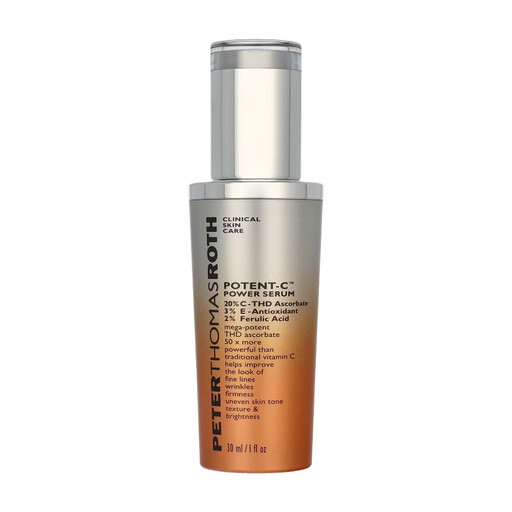
Why This Fits Their Persona: Suits experienced skincare shoppers comparing a high-potency vitamin C serum with a richer antioxidant support system.
The formula specifies its vitamin C form and concentration rather than presenting an unspecified “power” claim alone.
Lists 20% Tetrahexyldecyl Ascorbate, 3% vitamin E and ferulic acid, plus squalane.
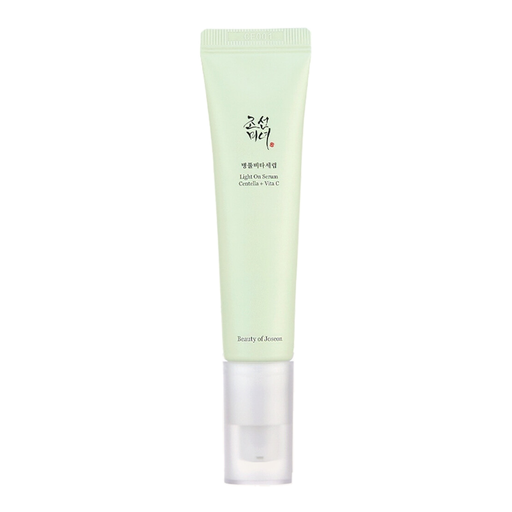
Why This Fits Their Persona: A Korean vitamin C serum option for shoppers who prioritise a fresh finish and soothing ingredients alongside tone care.
It combines 10% 3-O-Ethyl Ascorbic Acid with centella and hydration ingredients instead of relying on a strong acid-only profile.
Lists centella asiatica extract, panthenol, beta-glucan and hydrolysed hyaluronic acid.
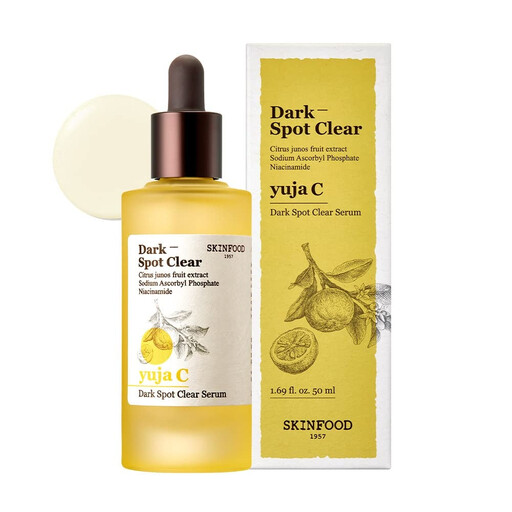
Why This Fits Their Persona: A larger 50ml format for shoppers building a consistent serum for dark spots and uneven skin tone into their morning and evening routine.
Its listed formula shows several complementary brightening and moisturising ingredients rather than a single headline active.
Contains niacinamide, tranexamic acid, panthenol, sodium hyaluronate and vitamin C derivatives.
We have compiled a complete, real-time list of products that fully satisfy these strict selection criteria and UK safety regulations.
Many products are designed for daily use, but tolerance varies. Begin every other day if you are new to vitamin C or active skincare. Follow the product directions and avoid applying it to compromised skin.
Either may be suitable, depending on the formula. Morning use pairs naturally with moisturiser and sunscreen, while a night serum can fit a simpler evening routine. Follow the individual product instructions.
There is no universal lifespan because stability depends on the ingredient form, packaging and storage. Check the period-after-opening symbol, batch information and packaging guidance. Discard a product if its colour, smell or texture changes noticeably.