
24/7 Customer Support

Free returns

Same-day & Next-day Delivery

Quality Guaranteed

Unlock Your Welcome Offers: FREE Delivery | Up to 80% OFF | Free 30-day JoyPlus trial
Download the APP
Dullness, dark spots and uneven-looking tone are common reasons UK shoppers look for Vitamin C skincare. Yet choosing a product can be confusing: one bottle may contain pure ascorbic acid, another a stable derivative, while a third relies mainly on citrus extract and supporting ingredients.
The label alone does not tell you whether a formula suits your routine. A high percentage may feel unsuitable for sensitive skin, while a gentle moisturiser may not provide the concentrated format you want. Use the guide below to compare Vitamin C serum, face creams, night treatments and daily moisturisers more practically.
Pure Vitamin C, listed as ascorbic acid or L-ascorbic acid, is a well-known cosmetic antioxidant ingredient, but higher-strength formulas may feel more intense on some skin types. Vitamin C derivatives, such as 3-O-ethyl ascorbic acid, sodium ascorbyl phosphate and ascorbyl glucoside, are often used in formulas designed around stability and a more comfortable application.
The percentage should therefore be considered alongside the ingredient form, the rest of the formula and your previous skincare experience.
Yuja, orange and other citrus extracts can contribute to a brightening skincare formula, but they are not interchangeable with a clearly identified Vitamin C derivative or pure Vitamin C. Check the full INCI list rather than relying only on phrases such as “glow”, “radiance” or “fruit-powered”.
Also note added fragrance and essential oils. Bergamot, grapefruit, limonene and linalool may not suit every sensitive or reactive complexion.
A Vitamin C moisturiser with SPF can simplify a morning routine, but it must be applied generously and evenly to provide the labelled protection. Sweating, swimming and towel drying can reduce sunscreen coverage, so reapplication may be needed. A product containing SPF 30 should not be treated as an excuse to spend prolonged periods in direct sunlight.
For a separate serum or Vitamin C night serum, use a broad-spectrum sunscreen during the day. Brightening products cannot compensate for inconsistent sun protection.
Look for the exact active in the ingredient list:
Do not compare percentages across different forms as though they were equivalent. A 10% pure Vitamin C serum and a product containing 10% botanical extract do not describe the same thing.
A well-balanced formula may pair Vitamin C with niacinamide, panthenol, hyaluronic acid, glycerin, ceramides, squalane or Vitamin E. These ingredients can support hydration and a comfortable skin feel.
If your skin is easily irritated, check for alcohol denat., fragrance, salicylic acid and essential oils. This does not make a product unsuitable for everyone, but it is a useful screening step when comparing an anti-dark-spot serum or uneven skin tone treatment.
Vitamin C formulas should be kept according to the packaging instructions and away from direct sunlight and excessive heat. A change in colour, smell or texture may indicate that the product is no longer in its intended condition; check the packaging and batch information before use.
Apply serum after cleansing, usually before moisturiser. Introduce one new active at a time and patch test first, especially if you have sensitive or acne-prone skin. Avoid applying products to broken or irritated skin, and stop if persistent redness, itching, swelling or stinging develops.
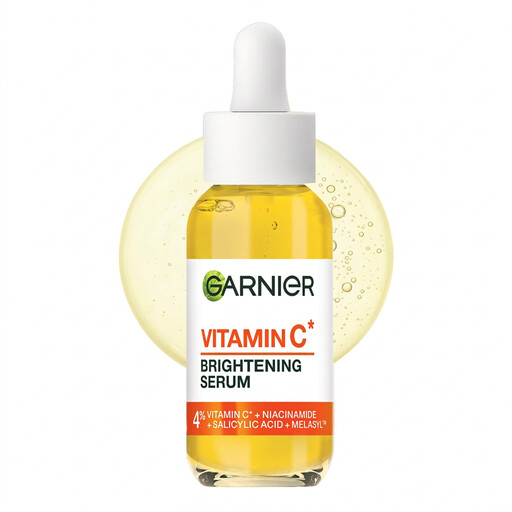
Why This Fits Their Persona: A straightforward 30ml starting point for shoppers building a simple morning or evening routine without selecting several separate brightening products.
The ingredient list identifies a 4% Vitamin C derivative alongside niacinamide and salicylic acid, making the formula easier to assess than a vague citrus-only claim.
Lightweight texture; combines Vitamin C derivative, niacinamide and salicylic acid in one face serum.
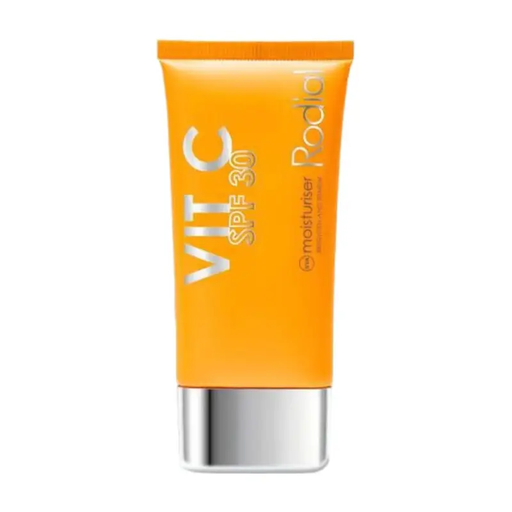
Why This Fits Their Persona: Suitable for shoppers wanting a polished morning moisturiser that combines hydration, a Vitamin C derivative and SPF 30 in one step.
Its listed SPF 30 and ascorbyl glucoside are clearly specified. The formula also includes glycerin, sodium hyaluronate, squalane and Vitamin E for a moisturising finish.
SPF 30 day format; contains hyaluronic acid, squalane and Vitamin E.
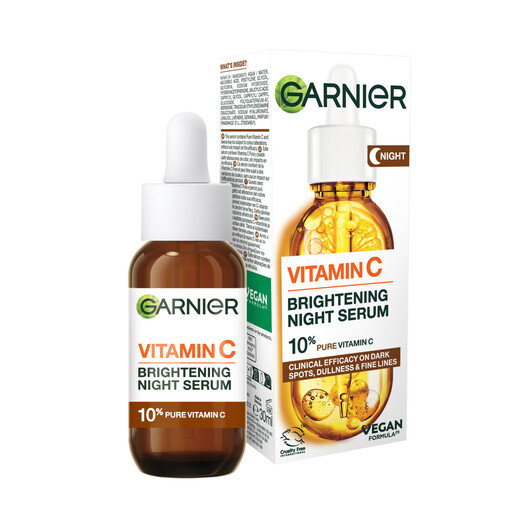
Why This Fits Their Persona: A dedicated evening option for shoppers who already use a separate daytime SPF and want a focused night serum format.
The product specifies 10% pure Vitamin C and hyaluronic acid, rather than relying only on general brightening language. Patch testing is sensible for new users.
Night-specific 30ml format; includes hyaluronic acid and a stated 10% pure Vitamin C concentration.
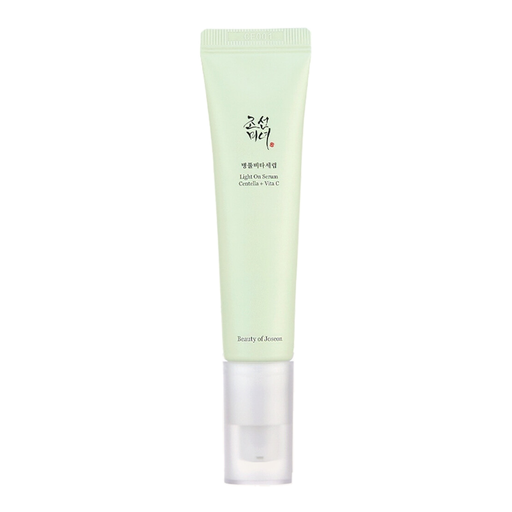
Why This Fits Their Persona: A Korean Vitamin C skincare choice for users who prioritise a lightweight serum with a soothing botanical component.
It lists 3-O-ethyl ascorbic acid alongside centella asiatica, panthenol, beta-glucan and hydrolysed hyaluronic acid. Always check the ingredient list if you have known sensitivities.
Uses a Vitamin C derivative; contains centella asiatica and multiple moisture-supporting ingredients.
We have compiled a complete, real-time list of products that fully satisfy these strict selection criteria and UK safety regulations.
A sheet mask, such as a Vitamin C cellulose mask, can be used as an occasional hydration-focused step, but it does not replace a consistent serum, moisturiser or sunscreen routine.
Cosmetic products may help improve the appearance of dullness and uneven-looking tone with consistent use, but results vary. Dark spots can have different causes, so persistent or changing pigmentation should be discussed with a qualified healthcare professional. Daily sunscreen is an important part of managing the appearance of sun-related discolouration.
Either can work, depending on the product directions and the rest of your routine. Morning use should be followed by sunscreen. A dedicated Vitamin C night serum can be applied after cleansing and before night moisturiser.
There is no universal lifespan because stability depends on the Vitamin C form, packaging, storage and formula. Follow the period-after-opening symbol and packaging instructions. Store it away from direct sunlight and heat, and replace it if its colour, odour or texture changes noticeably.