
24/7 Customer Support

Free returns

Same-day & Next-day Delivery

Quality Guaranteed

Unlock Your Welcome Offers: FREE Delivery | Up to 80% OFF | Free 30-day JoyPlus trial
Download the APP
Choosing vitamin C supplements in the UK can look straightforward until you compare tablets, capsules, powders, gummies, sachets and skincare products. Labels may highlight “high absorption”, “immune support” or “brightening”, but these phrases do not always tell you whether a product suits your diet, routine or tolerance.
Three common purchasing pitfalls are worth avoiding:
Start with the amount of vitamin C per daily serving, not simply the amount per capsule or gummy. For example, a product labelled vitamin C 1000mg may require one capsule, two capsules, one scoop or one sachet to reach that amount.
Common forms include:
The UK NRV for vitamin C is 80mg per day. A high-dose product may be useful for shoppers specifically seeking that format, but it should not be combined casually with multiple other vitamin C products.
For vegan vitamin C supplements, check both the capsule shell and the complete ingredient list. Hydroxypropyl methylcellulose is commonly used for vegetable capsules, while softgels may contain gelatine.
Also consider whether you want a single-nutrient product or a combination formula:
Always check allergens, warnings, age restrictions and the latest packaging before use.
The format often determines whether you take a product consistently:
High-strength vitamin C may cause digestive discomfort for some people, particularly when taken on an empty stomach. Follow the label and consider taking it with food if the instructions allow.
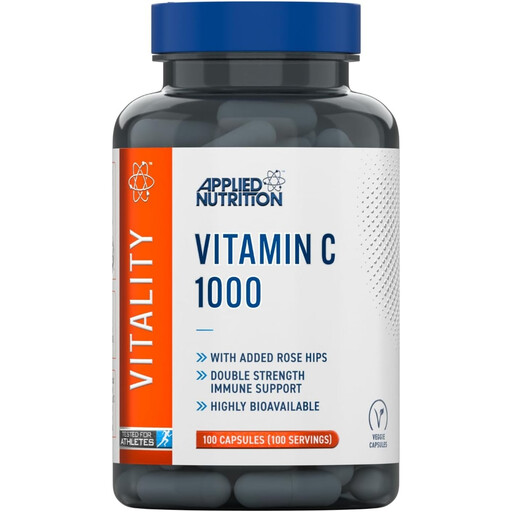
Why This Fits Their Persona: A straightforward option for adults who want a familiar capsule and a longer supply for a daily routine.
The label clearly states 1000mg per serving, one capsule daily, and includes rose hips rather than relying only on vague absorption language.
100 capsules, vegan suitability and 1000mg vitamin C per serving.
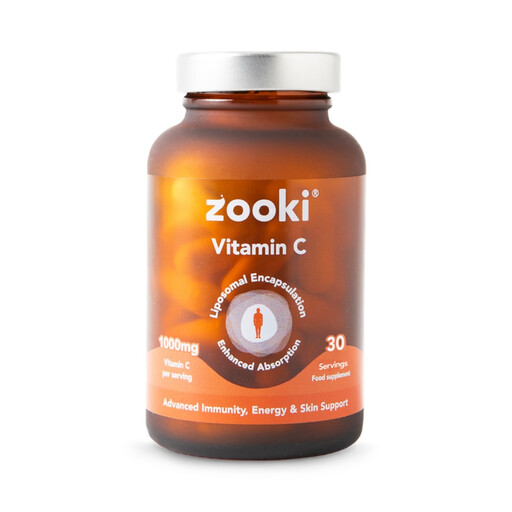
Why This Fits Their Persona: Suits adults who specifically want a liposomal vitamin C capsule and a plant-based formula.
The listing identifies the liposomal blend, two-capsule serving and vegetable capsule shell, allowing a more informed comparison.
1000mg per two capsules; free from gluten, dairy and soya according to the supplied product details.
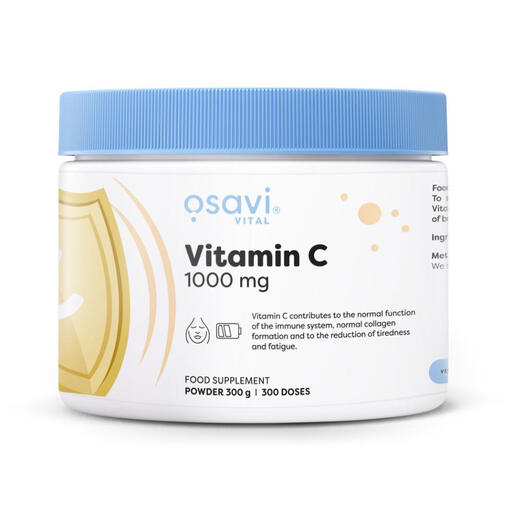
Why This Fits Their Persona: A practical choice for athletes, smoothie makers and shoppers who prefer mixing supplements into 200–300ml of water or juice.
The product provides a defined one-scoop serving and pure L-ascorbic acid, avoiding unclear blend quantities.
300g pack; flexible drink format; 1000mg per approximately 1g scoop.
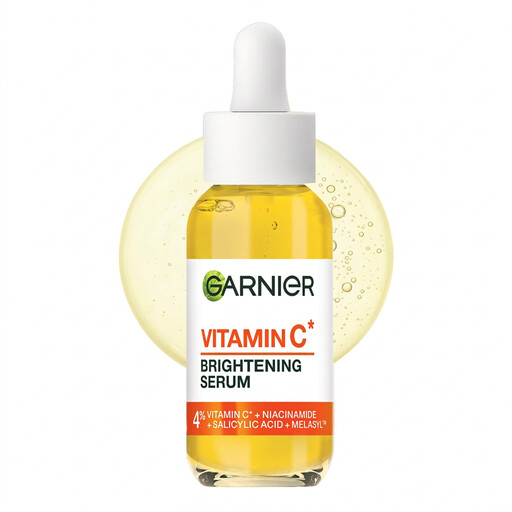
Why This Fits Their Persona: Designed for adults comparing topical vitamin C products for dull-looking skin and the appearance of uneven tone.
The ingredient list identifies a vitamin C derivative alongside niacinamide and salicylic acid, rather than presenting the product as a general oral supplement.
30ml lightweight formula; includes niacinamide and salicylic acid; daytime use should be paired with SPF.
We have compiled a complete, real-time list of products that fully satisfy these strict selection criteria and UK safety regulations.
For an oral supplement, follow the serving instructions and avoid doubling up with another high-strength product unless advised by a healthcare professional. People who are pregnant, breastfeeding, taking medication or managing a medical condition should seek appropriate advice before use.
For a vitamin C serum, apply only as directed to clean skin. Patch testing can be sensible if your skin is reactive. Avoid the eye area and stop use if redness, itching or persistent stinging develops. Products containing acids or fragrance may not suit every routine, so read the INCI list carefully.
Those choosing collagen with vitamin C should also check the source. Marine collagen contains fish and is unsuitable for vegans, whereas a vegan vitamin C supplement does not provide collagen peptides.
They can be convenient for people whose diet does not provide enough vitamin C or who prefer a consistent supplement routine. However, supplements should complement a varied diet rather than replace fruit, vegetables and other nutrient-rich foods. Choose the lowest practical serving that matches your intended use.
A 1000mg serving is a high-strength option and represents 1,250% of the UK NRV. Some people may experience digestive discomfort at higher intakes. Check the label, avoid unnecessary duplication and ask a healthcare professional for advice if you have a medical condition or take medication.
The usable period depends on the product’s packaging, storage instructions and opening symbol. Keep it away from direct sunlight and heat, close the container promptly and follow the packaging guidance. A change in colour, smell or texture can indicate that the product should no longer be used.