
24/7 Customer Support

Free returns

Same-day & Next-day Delivery

Quality Guaranteed

Unlock Your Welcome Offers: FREE Delivery | Up to 80% OFF | Free 30-day JoyPlus trial
Download the APP
Buying vitamin C supplements in the UK can appear straightforward until you compare dosage, chemical form, added ingredients and dietary suitability. A low-cost-looking bottle may contain fewer servings than expected, while a high-strength product may provide more vitamin C than you actually need.
This guide from the Joybuy Product Recommendation Officer focuses on practical details rather than promotional language, helping you compare vitamin C capsules and choose a formula that fits your routine.
A label may display vitamin C 1000mg, but that figure can refer to two capsules rather than one. Always check:
For example, a product supplying 1,000mg across two capsules does not provide the same convenience as one capsule containing 1,000mg. Pack size also matters: 60 capsules may represent 30 days of use if the suggested serving is two capsules daily.
Vitamin C contributes to the normal function of the immune system and the protection of cells from oxidative stress. However, more is not necessarily more appropriate for every adult. High-strength vitamin C 1000mg products may suit shoppers specifically seeking a concentrated daily serving, but lower-strength options can be easier to incorporate alongside a varied diet.
The UK Nutrient Reference Value (NRV) for vitamin C is 80mg per day for adults. Many supplements provide considerably more than this, so check whether you are already taking a multivitamin, immune formula or fortified drink containing vitamin C.
Terms such as “liposomal”, “high absorption” and “bioavailable” describe a formulation or delivery approach, not a guaranteed personal outcome. Liposomal vitamin C uses a lipid-based delivery format, while calcium ascorbate and Ester-C vitamin C are alternative forms often selected by shoppers who prefer a less acidic formulation.
If you have a sensitive stomach, compare the ingredient list and directions carefully. Product descriptions should not replace advice from a pharmacist or doctor.
L-ascorbic acid is a widely used form of vitamin C and is available in capsules, tablets and powders. It is usually a straightforward choice for shoppers seeking a simple, high-strength formula.
Calcium ascorbate vitamin C is a mineral ascorbate with lower acidity than ascorbic acid. It may appeal to adults who prefer gentle vitamin C supplements, although individual tolerance varies.
Ester-C vitamin C products commonly use calcium ascorbate and may include additional plant ingredients such as citrus bioflavonoids, acerola or rose hips. Check the exact label because formulas differ between products.
A product providing 140mg supplies 175% of the UK NRV, while a 1,000mg serving is substantially higher. Check whether the advertised amount is per capsule or per serving, and follow the manufacturer’s maximum daily intake.
Those comparing vitamin C with zinc should also check the zinc amount, especially if using other supplements. Combining several products can increase total intake unnecessarily.
Added ingredients can make a product more suitable for a particular routine, but they can also make the formula less suitable for people with allergies or medication considerations. Common additions include:
For vegan vitamin C supplements, verify both the capsule shell and the complete ingredient list. A vegetable capsule does not automatically mean every ingredient is suitable for every dietary preference.
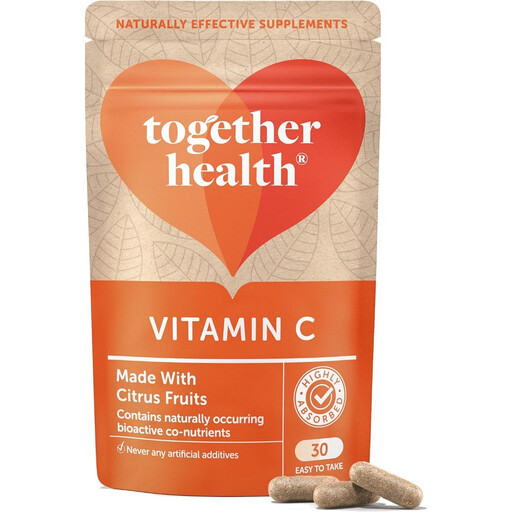
Why This Fits Their Persona: A simple one-capsule daily option for UK adults starting a vitamin C routine without immediately choosing a high-strength formula.
The label states 140mg per capsule and includes 30 capsules, making the daily serving easy to understand. It uses citrus pulp with bioflavonoids rather than presenting an unspecified blend.
Provides 175% NRV per capsule; vegetarian and vegan suitable according to the listed formulation.
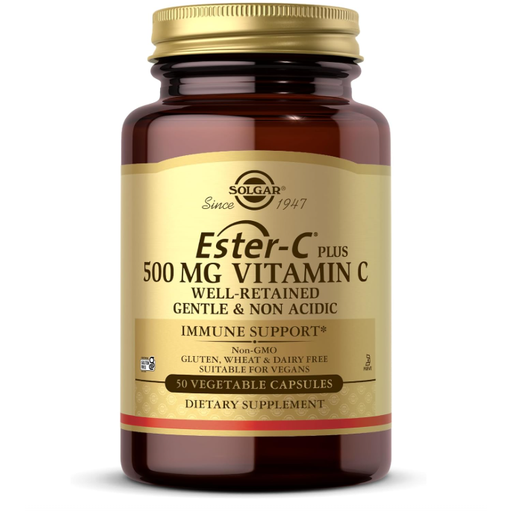
Why This Fits Their Persona: Suits adults who want a moderate-strength vegan capsule with several named supporting ingredients rather than a single-ingredient product.
The serving information identifies 500mg of Ester-C calcium ascorbate per capsule, avoiding confusion between a softgel serving and an individual capsule.
Includes citrus bioflavonoids, acerola, rose hips and rutin; the capsule shell is listed as vegetable cellulose.
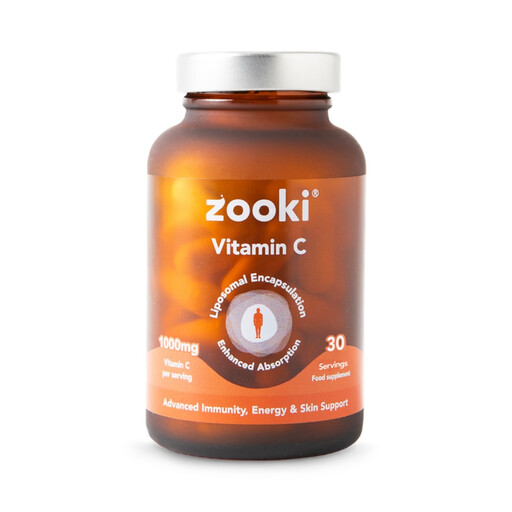
Why This Fits Their Persona: Designed for adults specifically comparing high-strength and liposomal vitamin C options, with a two-capsule serving and 60-capsule pack.
The product clearly states 1,000mg per two capsules, so the apparent capsule count is not mistaken for a 60-day supply.
Uses a liposomal vitamin C blend; the listed capsules are plant-based and suitable for vegan diets.
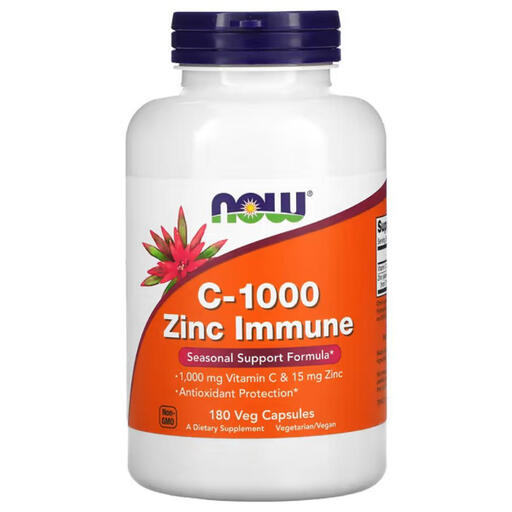
Why This Fits Their Persona: A practical choice for adults who want vitamin C and zinc in one daily vegan capsule instead of buying separate supplements.
The label states the separate amounts: 1,000mg vitamin C and 15mg zinc per serving, making it easier to check against other products.
Includes zinc bisglycinate, bioflavonoids and acerola; listed as free from wheat, gluten, soya, milk, egg, fish, shellfish, tree nuts and sesame ingredients.
We have compiled a complete, real-time list of products that fully satisfy these strict selection criteria and UK safety regulations.
Before ordering vitamin C supplements for adults, check the following:
Food supplements should complement, not replace, a varied and balanced diet. Keep capsules away from children and do not exceed the stated dose.
Many products are designed for daily adult use when taken according to the label. The appropriate strength depends on your diet, existing supplements and personal circumstances. Follow the stated dose rather than increasing it independently.
Liposomal vitamin C may appeal to shoppers interested in a lipid-based delivery format. However, it usually costs more than simple ascorbic acid capsules, and product claims about absorption should not be treated as a guaranteed result for every user. Compare the ingredient list, serving size and price per day.
Some adults prefer calcium ascorbate vitamin C or Ester-C because these forms are less acidic than standard ascorbic acid. Tolerance is individual, so take the product as directed and consult a pharmacist or doctor if you experience persistent discomfort.