
24/7 Customer Support

Free returns

Same-day & Next-day Delivery

Quality Guaranteed

Unlock Your Welcome Offers: FREE Delivery | Up to 80% OFF | Free 30-day JoyPlus trial
Download the APP
Vitamin C supplements are available as capsules, gummies, powders, liquids and combination formulas. That variety is useful, but it can also make shopping confusing. A product labelled “high-strength” may contain far more than you need, while an attractive gummy may add sugar or suit a different age group. Some supplements also use bold absorption claims that are difficult to compare fairly.
This guide explains the practical checks that matter when choosing vitamin C supplements UK shoppers can use as part of a balanced diet and healthy lifestyle.
A 1,000mg serving can look appealing, but dosage should match your intended use and the product directions. In the UK, the nutrient reference value (NRV) for vitamin C is 80mg for adults. Several products provide 500mg or 1,000mg per daily serving, which is considerably above the NRV.
High-strength vitamin C may suit adults specifically looking for a larger serving, but it is not automatically appropriate for everyone. Taking several products together can also unintentionally increase total intake.
Vitamin C gummies are easy to chew, but they may contain added sugar or sweeteners. For example, one adult gummy formula in this guide provides 2g of sugar per two-gummy serving, while an elderberry, zinc and vitamin C gummy provides 5g of sugar per serving. Compare the nutrition panel rather than relying on phrases such as “tasty” or “daily wellness”.
Powders and capsules can offer a simpler ingredient list. Liquid sachets may be convenient for travel, but storage instructions, preservatives and serving size still need checking.
Liposomal vitamin C uses a phospholipid-based delivery format. However, phrases such as “better absorbed” or “higher uptake” are product claims, not a reason to ignore dosage, ingredients or suitability. According to the relevant brand’s own information, some liposomal products are designed to improve delivery; shoppers should still check the label and avoid assuming that the format is necessary for routine supplementation.
Check both the amount per serving and the chemical form. Common options include:
A 100mg tablet may be suitable for straightforward daily supplementation, while a 500mg or 1,000mg product is aimed at adults seeking a higher-strength serving. Do not combine several high-dose products without checking their total vitamin C content.
Vegans and vegetarians should check the capsule shell, gummy ingredients and additional compounds. Vegetable capsules are generally made from hydroxypropyl methylcellulose, but gummies may use gelatine. Marine collagen products contain fish and are not suitable for vegan diets.
For allergy-sensitive households, check the full ingredient list every time. “Free from gluten” does not mean free from all allergens, and manufacturing facilities may handle milk, soya, fish or cereals containing gluten.
Gummies can be practical for people who dislike swallowing tablets, but compare sugar per serving and the number of gummies required. Children’s products must be clearly age-appropriate. The Nordic Naturals children’s gummies listed below are labelled for children aged four and over, while adult formulas should not be given to children unless a healthcare professional advises it.
Vitamin C contributes to the normal function of the immune system, normal collagen formation, protection of cells from oxidative stress and the reduction of tiredness and fatigue. These are authorised nutrition claims when the product provides a source of vitamin C. Supplements should not be used to diagnose, treat or prevent disease.
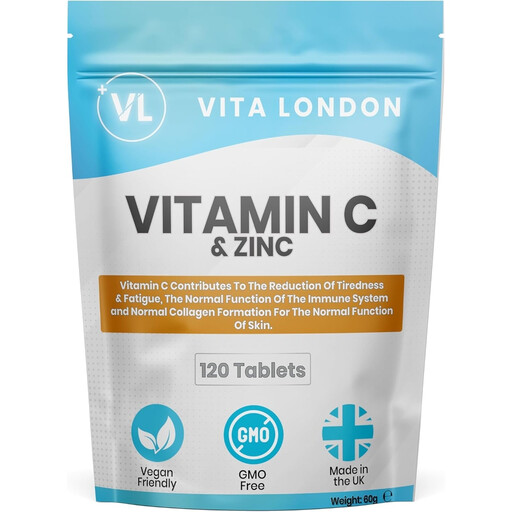
Why This Fits Their Persona: Adults seeking a simple, long-lasting daily formula may appreciate 120 tablets, with one tablet directed per day.
The label shows 100mg vitamin C and 20mg zinc per tablet, making the combined dosage easier to track than a multi-gummy routine.
Vegan tablets; no added sugar; free from gluten, wheat, dairy and soya according to the product details.
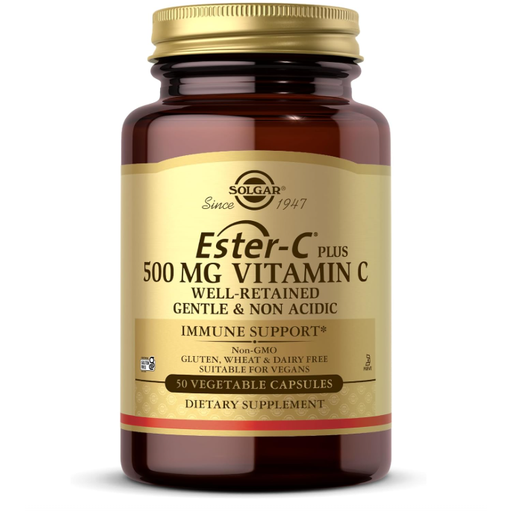
Why This Fits Their Persona: Adults wanting a 500mg capsule with additional plant-derived ingredients may prefer this measured, capsule-based format.
Its listed 500mg serving and accompanying ingredients provide clearer information than relying on vague “advanced” positioning.
Vegan capsules containing calcium ascorbate, citrus bioflavonoids, acerola, rose hips and rutin.
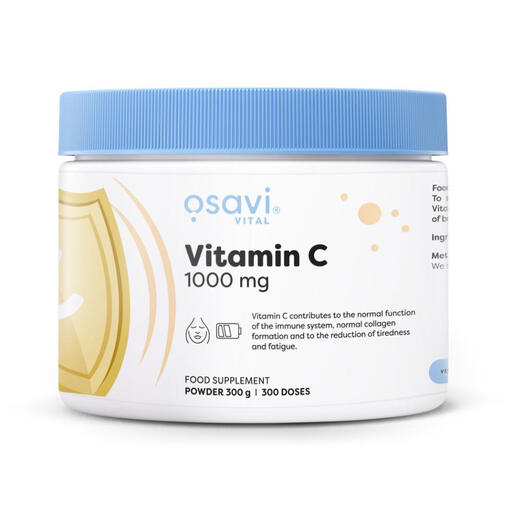
Why This Fits Their Persona: Adults who prefer customisable drinks rather than capsules can mix the stated one-gram serving with water or juice.
It lists a single ingredient, L-ascorbic acid, and gives a clear scoop-to-liquid instruction instead of hiding the serving size.
300g powder format; 1,000mg per approximately one-gram scoop; no sugar listed in the nutrition information.
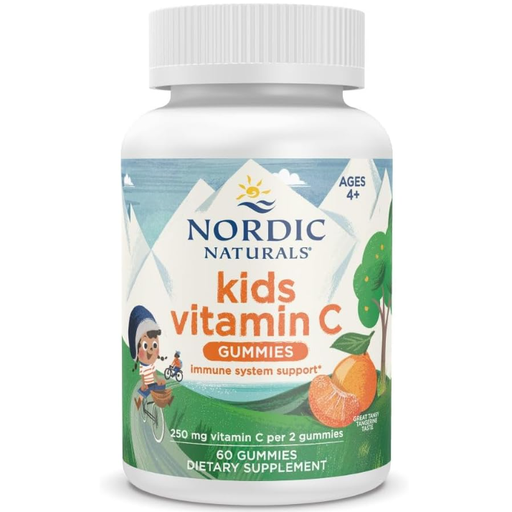
Why This Fits Their Persona: Families seeking a chewable option can use the stated two-gummy serving for children aged four and over.
The age range and maximum daily serving are stated, helping parents avoid using an adult vitamin C product for a child.
250mg vitamin C per two gummies; tangy tangerine flavour; no gluten, milk derivatives or synthetic dyes listed.
We have compiled a complete, real-time list of products that fully satisfy these strict selection criteria and UK safety regulations.
The amount depends on diet, personal circumstances and the product directions. The UK NRV is 80mg per day for adults, but supplements commonly provide 100mg, 500mg or 1,000mg. Check the total amount across all supplements and ask a healthcare professional if you are pregnant, breastfeeding, taking medication or managing a medical condition.
Only use a product that clearly states it is suitable for the child’s age. Children should not be given adult vitamin C gummies or capsules by assumption. Follow the label, supervise chewing where appropriate and keep all supplements out of sight and reach.
Capsules suit shoppers who want a compact, low-sugar routine. Powder works well when mixing into a drink is convenient, while gummies may be preferable for people who dislike swallowing tablets. Liquid sachets can be useful for travel, but always check storage, serving size and opening instructions.