
24/7 Customer Support

Free returns

Same-day & Next-day Delivery

Quality Guaranteed

Unlock Your Welcome Offers: FREE Delivery | Up to 80% OFF | Free 30-day JoyPlus trial
Download the APP
Vitamin C supplements are available as tablets, capsules, gummies, powders and liquid sachets, while vitamin C skincare products target a different concern altogether. That variety is useful, but it can also make shopping confusing. A larger number on the label does not automatically make a product more suitable, and “liposomal” does not remove the need to check dosage, ingredients or storage instructions.
This guide explains the practical details UK shoppers should compare before buying, followed by product suggestions matched to different routines.
Many 1000mg vitamin C products provide 1,250% of the UK Nutrient Reference Value (NRV). That may suit adults specifically looking for a high-strength serving, but it is not necessary for every routine. A lower-dose formula may be more appropriate when vitamin C is already obtained through a varied diet or other supplements.
Taking several products containing vitamin C at the same time can also lead to unnecessary intake. Always follow the product label and do not exceed the recommended daily serving.
Liposomal vitamin C uses phospholipids to encapsulate the nutrient. Brands may describe this as helping protect vitamin C during digestion or supporting absorption. However, individual results can vary, and a liposomal format is not automatically the right choice for everyone. Compare the actual vitamin C amount per serving, the number of capsules or sachets required and the total cost per day.
A vitamin C serum, vitamin C cream or facial mask is designed for external cosmetic use. It cannot replace a dietary supplement. Likewise, taking vitamin C does not guarantee a visibly brighter complexion. Skincare shoppers should assess the vitamin C derivative, supporting ingredients, fragrance and patch-testing advice rather than choosing a supplement for a topical concern.
Check whether the label lists L-ascorbic acid, sodium ascorbate, calcium ascorbate or a vitamin C derivative. Calcium ascorbate is a buffered form and may be preferable for shoppers who find acidic supplements uncomfortable, although tolerance remains personal.
Then compare:
For example, one product may provide 100mg per tablet, while another supplies 1000mg across two capsules. Looking at servings rather than the headline figure gives a more realistic comparison.
Vegan vitamin C products commonly use hydroxypropyl methylcellulose capsule shells, while gummies may use pectin instead of gelatine. Check for:
A product described as vegan is not necessarily free from every allergen, so read the current packaging before use.
Capsules and tablets are easy to keep beside a daily meal. Vitamin C powder allows flexible mixing into water or juice, but accurate measuring and immediate consumption may be required. Sachets are convenient for commuting or travel, though liquid products may need closer attention to their expiry date and storage conditions.
Vitamin C can be affected by heat, humidity, light and oxidation. Store supplements in a cool, dry place and follow the manufacturer’s instructions. For skincare, look for a secure container and avoid leaving the product in direct sunlight or a warm bathroom.
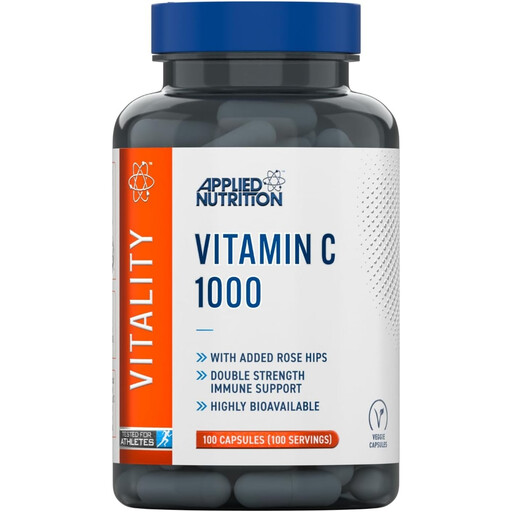
Why This Fits Their Persona: A straightforward capsule routine for UK adults who want a clearly stated high-strength serving without switching to a liquid or powder.
The label states 1000mg per serving, one capsule daily and 100 servings per container, making dose and pack longevity easy to compare.
Vegan capsules; includes rose hips; designed to be taken with food.
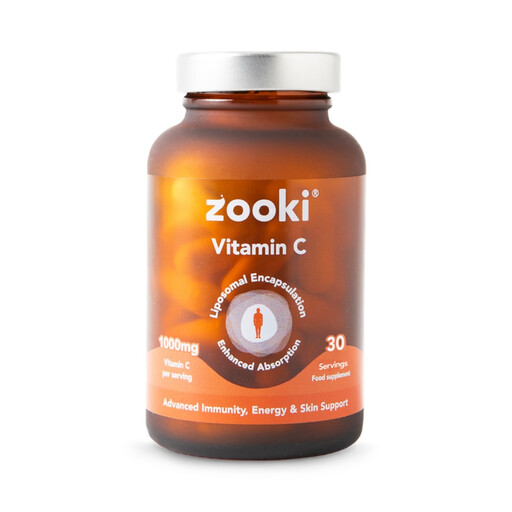
Why This Fits Their Persona: Suitable for adults and vegans seeking a capsule-based liposomal vitamin C format rather than a flavoured drink.
The full serving is clearly stated as two capsules providing 1000mg, rather than implying that each capsule contains the headline dose.
Plant-based capsule shell; free from gluten, dairy and soy according to the supplied product information.
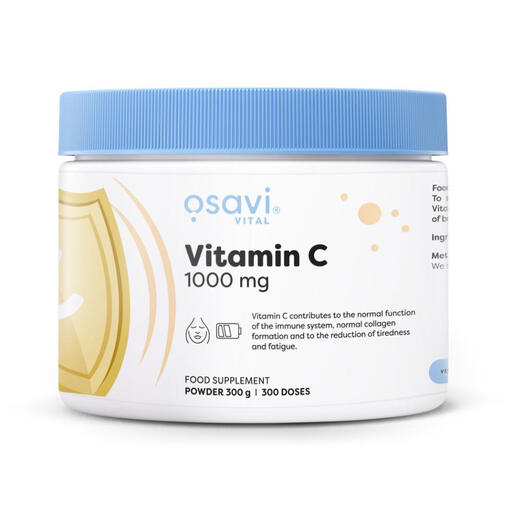
Why This Fits Their Persona: A practical option for adults who prefer mixing vitamin C into 200–300ml of water or juice rather than swallowing vitamin C tablets or capsules.
It provides a scoop-based serving of approximately 1g, so users can measure the stated amount instead of guessing from an oversized scoop.
Pure L-ascorbic acid; 300g pack; flexible use in drinks or food.
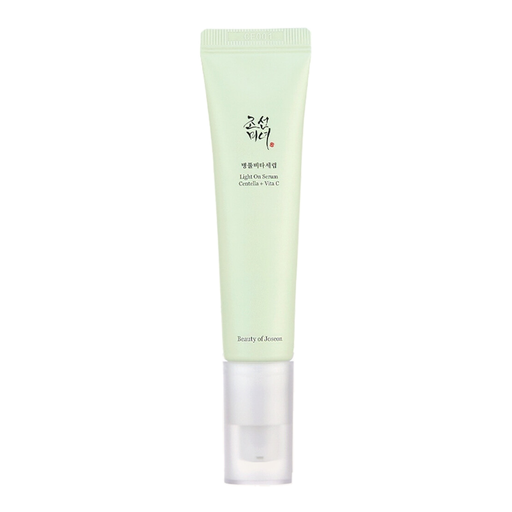
Why This Fits Their Persona: Designed for shoppers seeking a lightweight vitamin C serum for dullness or uneven-looking skin, rather than an ingestible supplement.
The product is clearly a topical serum, with external-use instructions, patch-test guidance and a recommendation to use sunscreen in the morning.
Contains 3-O-ethyl ascorbic acid, centella asiatica, panthenol and hyaluronic acid; lightweight texture.
We have compiled a complete, real-time list of products that fully satisfy these strict selection criteria and UK safety regulations.
Capsules and vitamin C tablets are simple for a fixed daily routine. Powder suits people who already prepare drinks or smoothies, while vitamin C sachets are useful for work, commuting and travel. Choose the format you are most likely to use consistently.
Not necessarily. A 1000mg serving is a high-strength option, but requirements vary according to diet, age and personal circumstances. Compare the label with other supplements you take and follow the stated dosage rather than assuming a larger amount provides extra value.
They serve different purposes: supplements are consumed, while a vitamin C serum or cream is applied to the skin. They may be used in the same broader routine, but topical products require patch testing, careful storage and daytime sunscreen. Always follow each product’s instructions.