Vitamin D is an essential nutrient that helps your body absorb calcium
and maintain healthy bones, teeth and muscles. It also contributes to
the normal function of the immune system. Your body makes vitamin D when
sunlight reaches your skin, but getting enough can be harder during the
UK’s autumn and winter months. Certain foods provide vitamin D, although
dietary sources alone may not meet everyone’s needs. This guide explains
what vitamin D does, where to find it and the NHS recommendations for
daily intake. It also compares five vitamin D supplements at Joybuy,
including tablets, gummies, capsules and liquids, so you can understand
the differences before choosing a suitable option for yourself or your
family.
Five Vitamin D Supplements Worth Comparing
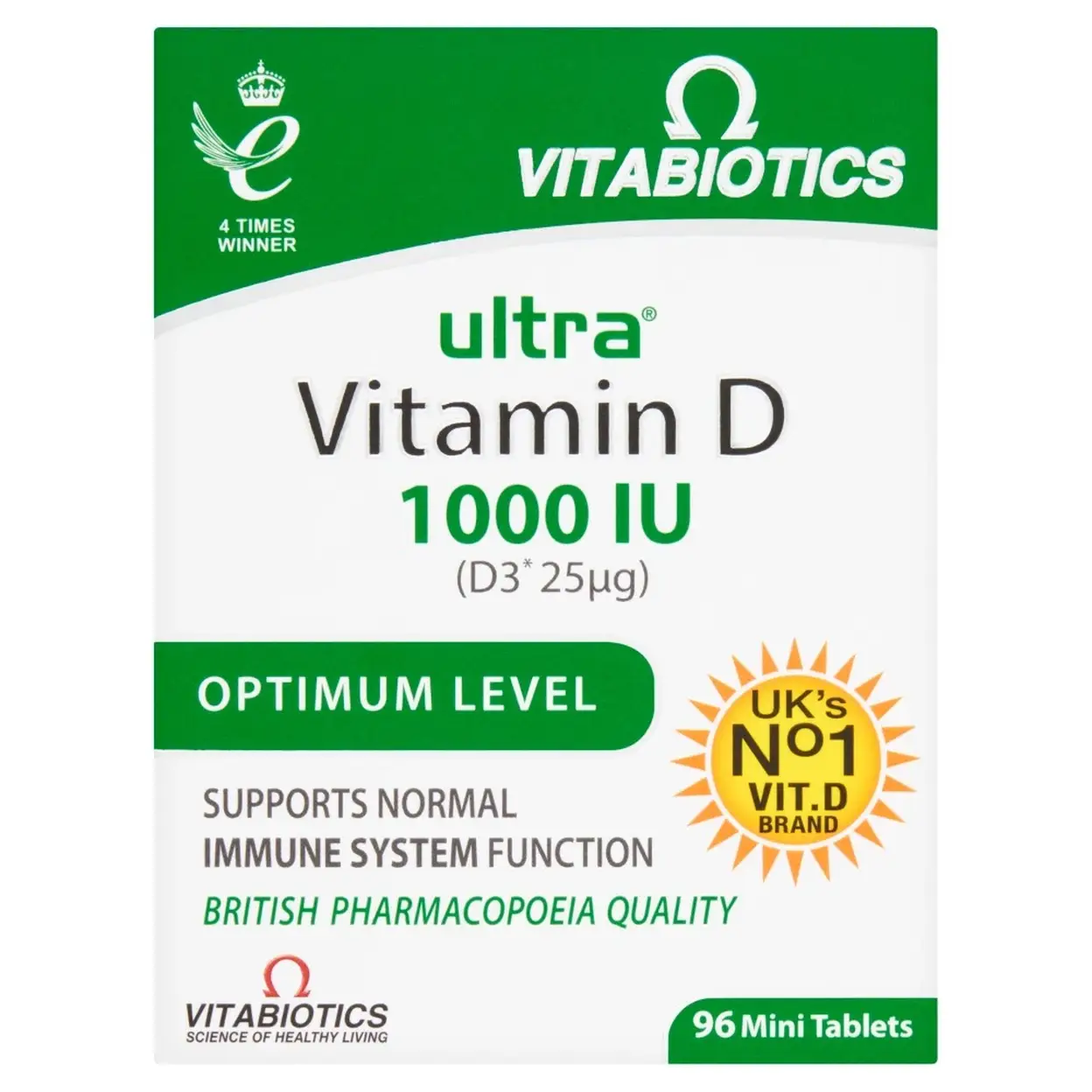
Vitabiotics Vitamin D 1000IU Mini Tablets – 96 Tablets
A convenient tablet option for adults who prefer a straightforward
vitamin D supplement. Each mini tablet provides 1,000 IU (25µg) of
vitamin D3, with 96 tablets per pack. Check your overall intake:
this strength exceeds the standard NHS daily supplement
recommendation of 400 IU.
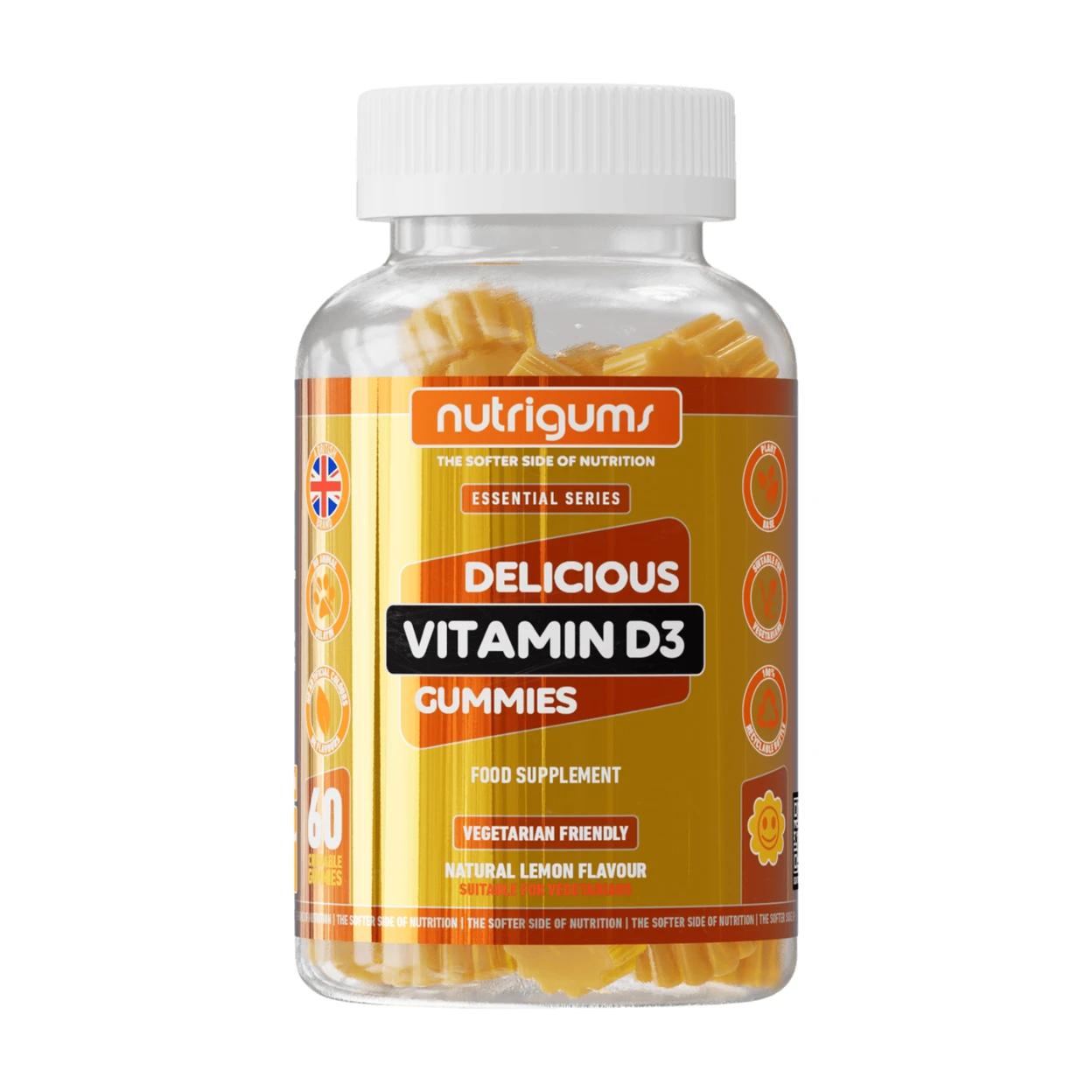
Nutrigums Vitamin D3 Immune Support Gummies – 60 Gummies
For people who prefer a chewable alternative to tablets, this
vitamin D3 gummy format offers another option. Check the current
label for strength, sugar content, ingredients and recommended
daily serving before choosing.
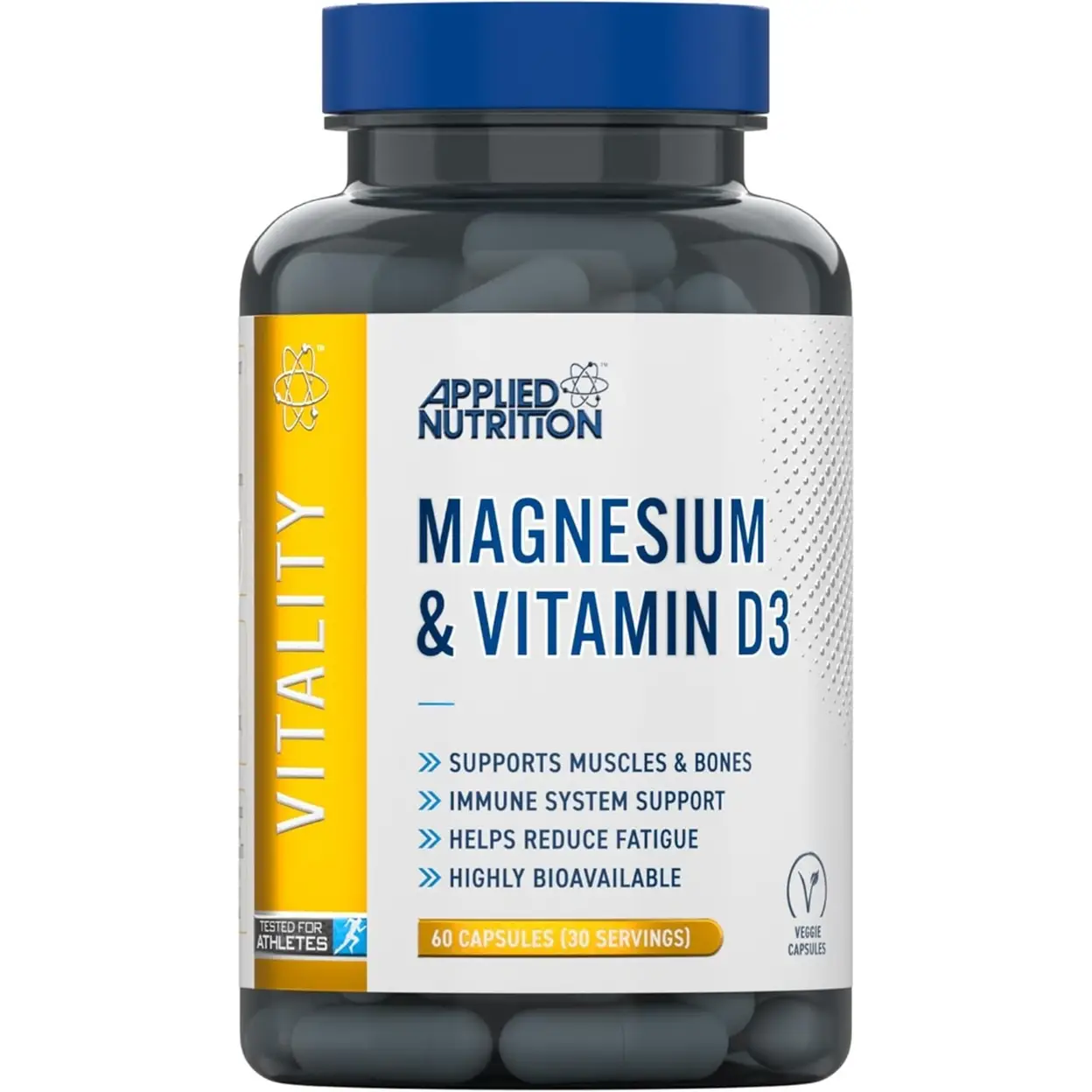
Applied Nutrition Vitality Magnesium Plus Vitamin D3 – 60 Vegan
Capsules
This combined supplement brings magnesium and vitamin D3 together
in a vegan capsule format. Check the amounts of each nutrient per
serving, and review other supplements you take to avoid
unnecessary overlap.

Nordic Naturals Vitamin D3 for Baby Liquid 400IU – 22.5ml
Designed for babies, this liquid vitamin D3 product comes in a
22.5ml bottle and is listed at 400 IU. Infant requirements differ
from adult requirements. Confirm the exact dose per serving, age
guidance and feeding circumstances before giving any drops.
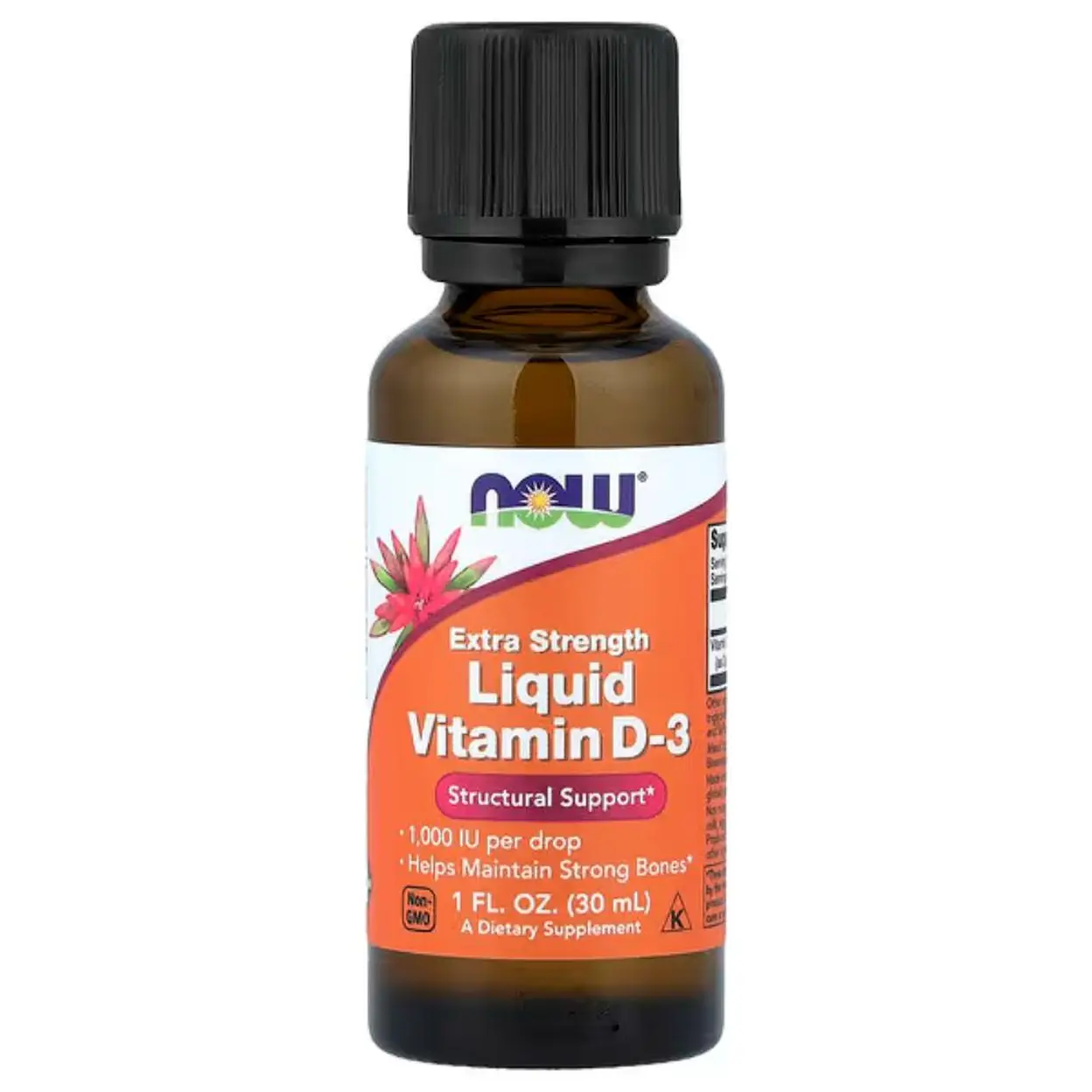
NOW Foods Vitamin D3 Liquid 1000IU – 30ml
A 30ml liquid option for people who prefer drops. Check how many
drops constitute a serving and how much vitamin D that serving
supplies; do not assume that each individual drop contains 1,000
IU.
Compare Five Vitamin D Supplement Formats
Vitamin D supplements come in several forms, but the best choice
depends on more than whether you prefer a tablet or gummy. Consider
the amount per serving, added ingredients, age suitability and ease of
use. These five products are not necessarily interchangeable.
Tablet, Gummy or Capsule? Tablets and capsules suit
adults who are comfortable swallowing supplements. Gummies provide a
chewable format, but sugar content and other ingredients vary.
Combination capsules may contain additional nutrients you do not
need.
Understanding Vitamin D and Your Daily Needs
What Does Vitamin D Do for Your Body?
Vitamin D helps regulate calcium and phosphate, supporting normal
bones, teeth and muscles. It also contributes to normal immune
function. Prolonged deficiency may cause osteomalacia in adults or
rickets in children. Taking more than needed does not necessarily
provide extra benefits; aim for an appropriate intake rather than
the highest strength.
Where Can You Get Vitamin D Naturally?
Sunlight helps the body make vitamin D, particularly from late
March or early April through September in the UK. Food sources
include oily fish, egg yolks, red meat and some fortified
breakfast cereals or spreads. Relatively few foods naturally
contain much vitamin D. Continue to follow sun safety advice
rather than deliberately seeking unprotected exposure.
How Much Vitamin D Should You Take?
The NHS advises adults and children over four to consider 10µg
(400 IU) daily in autumn and winter. People with limited sunlight
exposure or darker skin may need to consider it year-round. One
microgram equals 40 IU, so 25µg is 1,000 IU. This is above the
standard recommendation but below the NHS adult upper limit of
4,000 IU (100µg) per day.
Choosing Vitamin D for Babies and Children
NHS guidance recommends 8.5–10µg daily for babies under one year
who are breastfed or receive less than 500ml of infant formula a
day. Those receiving at least 500ml generally do not need extra
vitamin D because formula is fortified. Children aged one to four
are advised to receive 10µg daily all year. Use suitable
age-specific products and ask a pharmacist or health visitor if
unsure.
Choose a Supplement That Fits Your Routine
First check whether a multivitamin already supplies vitamin D.
Compare the amount per serving, not merely pack size or product
name. Tablets, gummies and drops offer different ways to take it;
no format is automatically more effective. If you select magnesium
plus D3, check both nutrient amounts and any other products you
use.
Your Vitamin D Questions Answered
Do I need vitamin D supplements all year round?
Not everyone does. Most people in the UK can make vitamin D in
spring and summer, but the NHS recommends considering 10µg (400 IU)
daily in autumn and winter. Those who spend little time outdoors,
cover much of their skin or have darker skin may benefit from
year-round supplementation. Ask a qualified professional if you are
uncertain about your circumstances.
Is 1,000 IU of vitamin D too much?
For most healthy adults, 1,000 IU (25µg) is above the usual NHS
supplementary recommendation but below the adult upper limit of
4,000 IU (100µg) a day. It is not necessarily needed. Check other
multivitamins to avoid double-dosing. Different limits apply to
babies and children; do not give adult-strength products without
suitable professional guidance.
Should I choose vitamin D tablets, gummies or drops?
Choose a product with an appropriate dose, ingredients and age
suitability. Tablets are compact, gummies are chewable and liquids
are measured according to specific label instructions. Check dietary
needs and the dose in each serving. Baby drops warrant particular
care because concentrations vary; adult products may be unsuitable.
Find Your Everyday Vitamin D Essentials
Compare vitamin D tablets, gummies and liquids to find an option that
suits your needs.


