
24/7 Customer Support

Free returns

Same-day & Next-day Delivery

Quality Guaranteed

Unlock Your Welcome Offers: FREE Delivery | Up to 80% OFF | Free 30-day JoyPlus trial
Download the APP
With the UK's notoriously limited sunshine, many of us are looking for a reliable Vitamin D supplement to support our wellbeing through the darker months. However, the market is crowded with options, and it's easy to feel overwhelmed by confusing labels and ambitious marketing claims. This guide cuts through the clutter, helping you understand what really matters when selecting a supplement for yourself or your family.
As a Joybuy Product Recommendation Officer, my role is to help you navigate these choices with practical, objective advice. Let's look at the common pitfalls to avoid and the key factors to consider before you buy.
Navigating the supplement aisle can be tricky. Here are three frequent traps that UK shoppers fall into, leading to purchases that might not be right for their needs.
To make an informed choice, focus on these three essential parameters.
The strength of a vitamin D supplement is measured in either International Units (IU) or micrograms (?g). It's helpful to know the conversion: 40 IU is equal to 1 ?g.
The delivery method can impact both absorption and how consistently you take your supplement.
Not all vitamin D is created equal. Pay attention to these details on the label:
Based on these practical criteria, here are some options tailored to different needs and lifestyles.
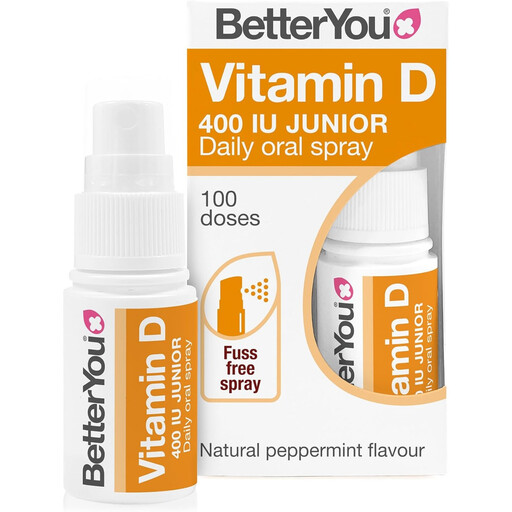
Why This Fits Their Persona: This is ideal for parents looking for a fuss-free way to give their children a daily dose of vitamin D. The oral spray format bypasses the need for swallowing pills, and the peppermint flavour is generally well-received by children aged 3 and up.
It avoids the format issue by using an oral spray for fast absorption, perfect for children. The dosage (400 IU) is specifically tailored for a child's daily needs, avoiding the "high strength" trap.
Sugar-free formula with no artificial additives. The spray can be taken anytime, with or without food, offering maximum convenience for busy family routines.
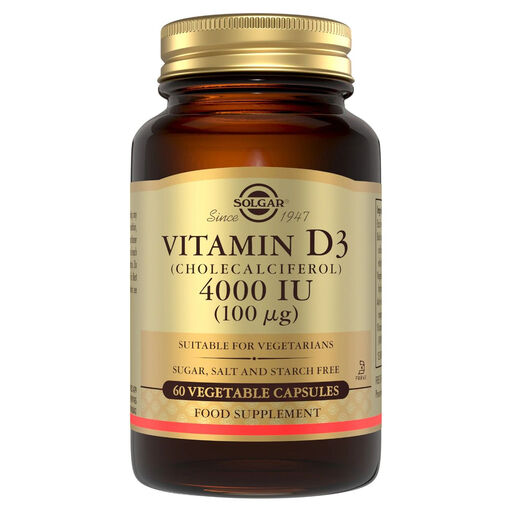
Why This Fits Their Persona: For the individual seeking a potent, no-frills dose, this product delivers. It provides 4000 IU (100 ?g) of Vitamin D3 per capsule, which is a high-strength dose intended for those with greater needs, particularly during the long UK winter.
This product is transparent about its high strength, targeting users who are specifically looking for it. It avoids the "natural" illusion with a clean, allergen-free formula in a straightforward vegetable capsule.
Provides a high-potency 4000 IU dose in a single daily capsule. The formula is free from gluten, wheat, dairy and soya, making it suitable for many dietary requirements.
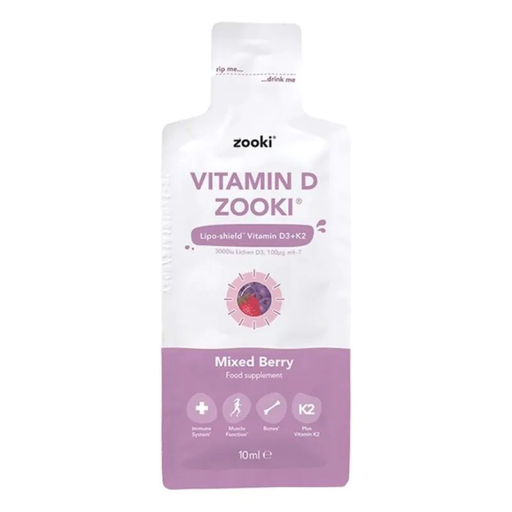
Why This Fits Their Persona: This supplement is designed for those who prioritise both ingredient purity and advanced formulation. It uses a plant-based Vitamin D3 from algae and combines it with Vitamin K2 in a liposomal format for enhanced absorption.
It directly addresses the ingredient source trap by using vegan D3 from algae. It also tackles the absorption issue head-on with its liposomal delivery system, moving beyond just the dosage number.
Combines 3000 IU of Vitamin D3 with 100?g of K2. The formula is sugar-free, gluten-free and comes in convenient, travel-friendly liquid sachets.
We have compiled a complete, real-time list of products that fully satisfy these strict selection criteria and UK safety regulations.
Vitamin D is a fat-soluble vitamin, which means it is absorbed better when taken with a meal that contains fats or oils. Many people find it convenient to take their supplement with breakfast or lunch.
It is very difficult for most people in the UK to get enough vitamin D from food. While it is present in oily fish, red meat and some fortified foods like cereals, sunlight on the skin is our main source. Due to the lack of strong sun for much of the year, supplementation is recommended by UK health authorities, especially from October to March.
Not always. The NHS advises that taking more than 100?g (4000 IU) of vitamin D per day can be harmful over time for most adults. Unless you have been advised by a healthcare professional to take a higher dose to correct a deficiency, it is generally recommended to stick to dosages at or below this upper limit. Always read the label and do not exceed the stated dose.