
24/7 Customer Support

Free returns

Same-day & Next-day Delivery

Quality Guaranteed

Unlock Your Welcome Offers: FREE Delivery | Up to 80% OFF | Free 30-day JoyPlus trial
Download the APP
Vitamin D supplements can be useful during the darker UK months, particularly for people who spend little time outdoors, cover most of their skin or have limited exposure to sunlight. However, comparing vitamin D tablets, capsules, gummies, drops and sprays is not simply a matter of choosing the highest number on the label.
A suitable product should match your age, daily intake, dietary preferences, preferred format and existing supplements. Here is how to avoid common buying mistakes and narrow down the options available on Joybuy.
Vitamin D products range from infant doses of 10 micrograms to high-strength vitamin D3 supplements providing 100 micrograms per serving. A larger amount is not automatically more appropriate for everyday use.
The NHS generally advises most adults to consider 10 micrograms of vitamin D daily during autumn and winter. Some people may need year-round supplementation, while higher doses should be used only according to the product directions or advice from a healthcare professional. Check the total amount across multivitamins, cod liver oil and other vitamin D products before buying.
Marketing terms such as “fast absorption”, “liposomal” and “high bioavailability” can sound persuasive, but they do not necessarily make one format suitable for everyone. Vitamin D is fat-soluble, so taking a capsule or liquid alongside a meal containing some fat may be practical. A spray or liquid may simply be easier for someone who dislikes swallowing pills.
Look first at the actual vitamin D amount per daily serving, the form used and the directions for use.
Gummies may contain sugar or glucose syrup, while softgels can contain gelatine or fish-derived ingredients. Vegan vitamin D3 is commonly sourced from lichen or algae, but not every plant-friendly product is suitable for every age group.
Parents should also check whether a product is intended for infants, children over three, teenagers or adults. Never assume that an adult capsule can be divided safely for a child.
Most vitamin D3 supplements use cholecalciferol, commonly labelled as vitamin D3. Compare the amount in both micrograms and international units (IU):
The UK adult upper limit is commonly stated as 100 micrograms per day from supplements, unless a healthcare professional advises otherwise. This is not a recommended target. High-strength vitamin D3 should be selected carefully, especially if you take medicines or have a medical condition.
Choose a format you are likely to use consistently:
Check for fish, gelatine, coconut, dairy, soya and other allergens. Vegans should look specifically for a clearly stated plant source, such as lichen or algae, rather than relying on the word “natural”.
Some products combine vitamin D with other nutrients. Vitamin D and K2 supplements may appeal to shoppers seeking a combined formula, while omega-3 with vitamin D can suit adults who already want fish oil. These combinations can reduce the number of products in your routine, but they also make it more important to check for duplicated ingredients.
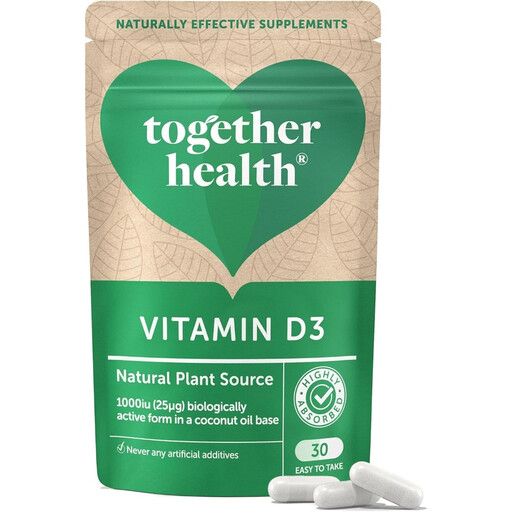
Why This Fits Their Persona: One 25 microgram capsule daily offers a straightforward adult routine for shoppers seeking vegan vitamin D3 without a flavoured format.
The label identifies lichen as the vitamin D3 source and states that the capsule is vegan, helping avoid unclear animal-derived ingredients.
25 micrograms per capsule; vegetable cellulose capsule shell; 30-capsule pack.

Why This Fits Their Persona: This adult-only option suits shoppers who have been advised to use a higher-strength serving and prefer a vegan capsule.
The 100 microgram serving is clearly stated, making it easier to avoid accidentally combining several high-strength products.
4,000 IU per capsule; vegetable capsule; free from gluten, dairy, soya, sugar and artificial flavours.
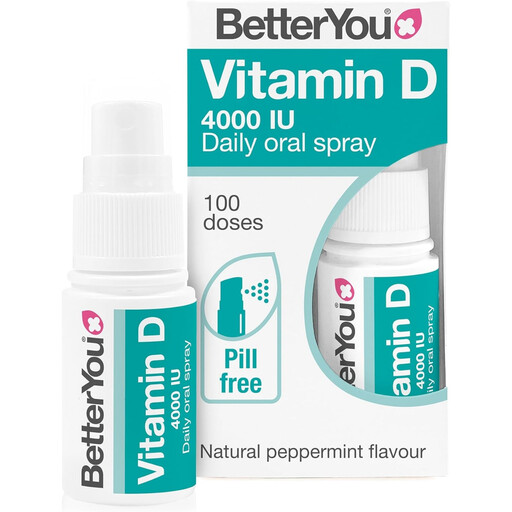
Why This Fits Their Persona: The spray format suits adults who dislike tablets, travel frequently or want a water-free option at work.
The product gives a precise one-spray daily serving, rather than leaving users to estimate drops or divide a tablet.
4,000 IU per spray; peppermint flavour; compact 15 ml bottle; suitable for vegetarians.
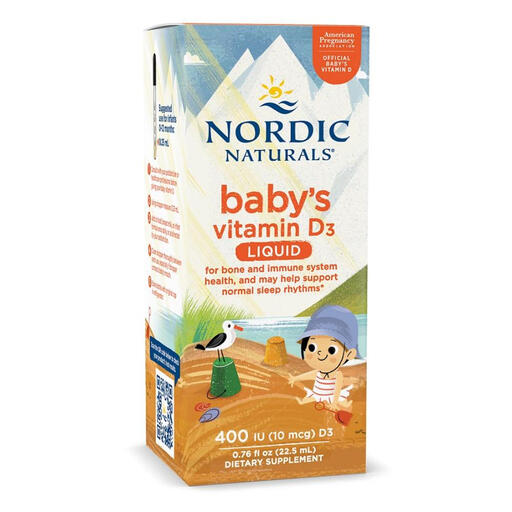
Why This Fits Their Persona: Parents and carers of babies aged 0–12 months can use the measured dropper format to follow the stated serving directions.
The product is clearly labelled for infants and provides 400 IU in a measured 0.25 ml serving, unlike adult-strength products.
400 IU per serving; measured dropper; olive oil base; intended for birth to 12 months.
For a chewable format, Nutrigums Vitamin D3 Immune Support Gummies provide 25 micrograms per gummy and use pectin rather than gelatine. They are labelled for adults and children aged 12 and over.
If you want a combination product, Osavi Vitamin D3 + Vitamin K2 Bone Health Oral Spray includes vitamin D3 and K2 MK-7 in a peppermint spray. Check with a pharmacist or doctor before using vitamin K products if you take anticoagulant medicine.
Those seeking omega-3 with vitamin D may wish to compare Seven Seas Omega-3 Fish Immune Support Oil Capsules, which provide fish oil, EPA, DHA and 10 micrograms of vitamin D per capsule. It contains fish, so review the allergen information carefully.
We have compiled a complete, real-time list of products that fully satisfy these strict selection criteria and UK safety regulations.
Shelf life varies by product and packaging. Check the best-before date and storage instructions. Drops and sprays may also have a recommended period after opening, so record when you first use them.
Only when the label confirms the child’s age range and serving size. Adult gummies should not be given to younger children, and all gummy products should be kept out of reach to reduce the risk of accidental overconsumption.
You can potentially duplicate vitamin D by combining a multivitamin, omega-3 product and standalone supplement. Add up the micrograms from every product and ask a pharmacist or healthcare professional for advice if you take medication, are pregnant or breastfeeding, or have an existing medical condition.