
24/7 全天候客户支持

免费退货

当日/次日达

品质保障

开启新人专享福利: 全场免邮 | 低至 2 折 | 免费试用 30 天 JoyPlus 会员
下载 Joybuy
Choosing among vitamin D3 supplements can be surprisingly difficult. Product pages often highlight large IU numbers, “immune support” and convenient formats, but these details do not always tell you whether a supplement suits your diet, routine or existing intake.
The practical approach is to compare the vitamin D3 amount, source, format and warnings before considering flavour, pack size or added ingredients. This guide explains the main buying traps and highlights suitable options for different UK lifestyles.
Vitamin D is measured in micrograms (µg) and international units (IU):
A high-strength vitamin D3 supplement may be useful for a specific reason, but a higher number is not automatically the right choice for everyday use. The UK government commonly advises adults to consider a daily 10µg supplement during autumn and winter, while people with limited sun exposure may need to consider supplementation throughout the year. If you take multiple supplements, add the vitamin D amounts together and speak to a pharmacist or healthcare professional before using a high-dose product.
Capsules, gummies, liquid vitamin D3 and vitamin D3 oral spray products all offer different practical benefits. A spray may be easier for someone who dislikes swallowing pills, while a capsule is often simpler to store and measure. Gummies can make daily use easier, but they may contain sugar or sweeteners.
Marketing language around “fast absorption” should not be treated as a guarantee of superior results. Instead, check the serving size, delivery instructions and ingredient list. Vitamin D3 is fat-soluble, so some capsule and liquid products are designed to be taken with food or an oil base.
Vitamin D3 is commonly provided as cholecalciferol. However, the source can vary:
Always check the current packaging, particularly if you have allergies, follow a halal or vegan diet, or are avoiding dairy, gluten or soya.
For routine adult supplementation, lower or moderate strengths may be easier to incorporate without accidentally exceeding your total intake. Products in the 1,000 IU to 2,000 IU range can suit shoppers looking for straightforward daily vitamin D3 capsules or gummies.
Products providing 3,000 IU or 4,000 IU are high-strength vitamin D3 options. They should be selected carefully and used only according to the label or professional guidance. The UK upper limit for adults is generally stated as 100µg, or 4,000 IU, per day from all sources. This is a maximum safety limit, not a recommended target.
Vitamin D contributes to the normal function of the immune system and helps maintain normal bones, teeth and muscle function. These are authorised nutrition claims when the product provides a relevant amount of the nutrient; they should not be interpreted as a treatment or cure.
Choose the format you are most likely to use consistently:
A large bottle is not necessarily better value if the serving instructions require multiple capsules or if the product expires before you finish it. Calculate the number of daily servings rather than comparing capsule counts alone. A 30-capsule pack usually represents about one month, while 90 or 120 servings may suit people who prefer fewer repeat purchases.
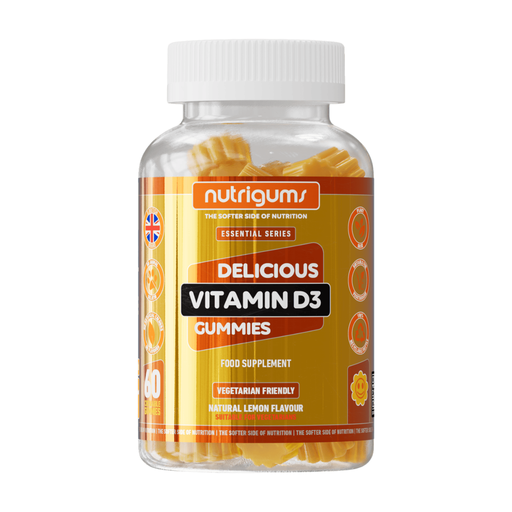
Why This Fits Their Persona: A chewable option for adults who want a simple 1,000 IU daily serving without swallowing a capsule.
The label states the dose per gummy clearly, while the plant-based pectin format avoids gelatine. It does contain sugar and glucose syrup, so factor that into your choice.
1,000 IU per gummy; vegan and vegetarian-friendly; gluten-free and free from artificial colours and flavours.
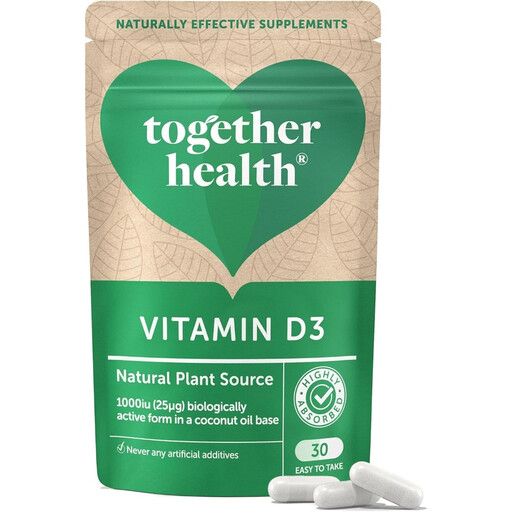
Why This Fits Their Persona: Designed for UK shoppers who prioritise a plant-based source, a short ingredient list and plastic-free packaging.
The product specifies lichen as the source of D3, helping avoid the common assumption that every D3 supplement is vegan.
1,000 IU per capsule; vegan and cruelty-free; coconut oil base; compostable, plastic-free packaging.
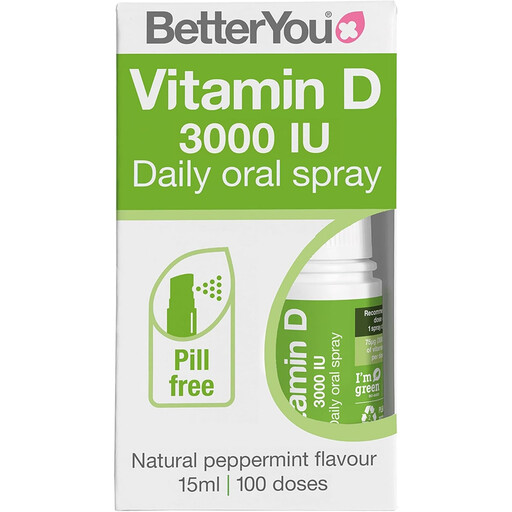
Why This Fits Their Persona: A portable choice for adults who prefer a high-strength vitamin D3 oral spray and do not want to carry water or swallow capsules.
The one-spray serving is clearly stated, reducing measuring errors. At 3,000 IU, it should not be combined with other high-dose vitamin D products without appropriate advice.
3,000 IU per spray; peppermint flavour; compact 15ml bottle; no tablet or water required.
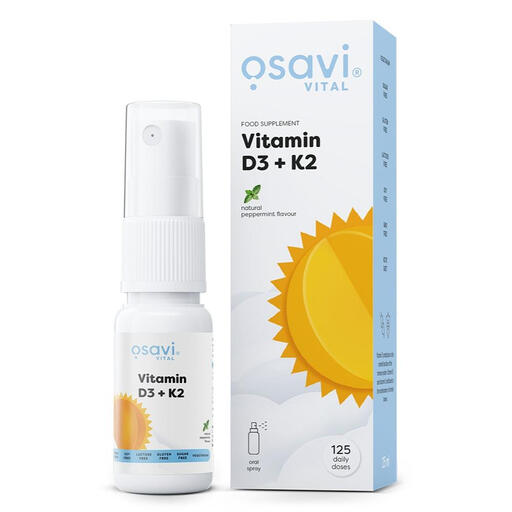
Why This Fits Their Persona: Suitable for shoppers specifically comparing vitamin D3 with K2 in a sugar-free, vegetarian oral spray format.
The formula lists both D3 and K2, rather than implying that added ingredients are automatically necessary. Anyone taking anticoagulants should seek medical advice before use.
D3 plus K2 MK-7; vegetarian, sugar-free and gluten-free; 25ml spray with one spray as the stated daily portion.
We have compiled a complete, real-time list of products that fully satisfy these strict selection criteria and UK safety regulations.
The commonly referenced UK daily amount for adults is 10µg, particularly during autumn and winter. Individual requirements vary according to diet, sun exposure, age and health circumstances. Check the label and ask a pharmacist or GP for advice if you are considering a high-strength product.
There is no single format that suits everyone. Capsules are compact and usually straightforward to dose; gummies are convenient but may contain sugar; liquid drops allow measured dosing; and oral sprays can be useful for people who dislike swallowing tablets. Choose the format you can use correctly and consistently.
Check every label for duplicate vitamin D. Take additional care with combination products containing fish oil, calcium, vitamin K2 or other fat-soluble vitamins. If you take prescribed medication, are pregnant or breastfeeding, or have an existing medical condition, consult a healthcare professional before starting supplementation. Always follow the stated serving and keep products away from children.