
24/7 Customer Support

Free returns

Same-day & Next-day Delivery

Quality Guaranteed

Unlock Your Welcome Offers: FREE Delivery | Up to 80% OFF | Free 30-day JoyPlus trial
Download the APP
Choosing vitamin D3 supplements can seem straightforward until you compare strengths, ingredients and delivery formats. UK shoppers may find vitamin D3 1000 IU, 2000 IU, 3000 IU and 4000 IU products alongside capsules, tablets, gummies, sprays and liquid drops.
The main challenge is separating practical differences from marketing language. A higher number is not automatically more suitable, and a convenient format may contain ingredients that do not match your dietary needs. This guide explains what to check before buying, with options for adults, vegans, people with limited sun exposure and families choosing infant vitamin D.
Vitamin D is measured in micrograms (µg) and International Units (IU). For reference, 10 µg equals 400 IU, while 25 µg equals 1000 IU. Products providing 3000 IU or 4000 IU are considerably stronger than standard daily formulas.
The UK upper guidance for adults is commonly stated as 100 µg, or 4000 IU, per day from all sources, unless a healthcare professional advises otherwise. Add together vitamin D from multivitamins, cod liver oil and separate supplements before choosing a product. Do not increase the dose simply because a label describes it as “high strength”.
Many conventional vitamin D3 supplements use cholecalciferol sourced from lanolin, which comes from sheep’s wool. A vegetarian capsule shell does not necessarily mean the vitamin D3 itself is plant-based.
For vegan vitamin D3, look for a clearly stated source such as lichen or algae and check the full ingredient list. Certifications can help, but the product label remains the most useful reference if dietary suitability is important.
Oral sprays, liquid vitamin D3 and liposomal sachets may be easier for people who dislike swallowing tablets. However, compare the amount per measured dose, not just the delivery method. A spray may provide 3000 IU or 4000 IU per single spray, while a liquid product may provide 1000 IU per drop.
Also check serving instructions, storage requirements, sweeteners, flavourings and whether the format is intended for adults or children.
A vitamin D3 1000 IU product provides 25 µg per serving and is a straightforward option for adults seeking a moderate daily supplement. Vitamin D3 2000 IU provides 50 µg, while vitamin D3 3000 IU provides 75 µg. A vitamin D3 4000 IU product provides 100 µg and should be approached carefully, particularly if you take other vitamin D products or medicines.
The appropriate strength depends on diet, sun exposure, age, individual circumstances and professional advice. People with limited sun exposure may wish to discuss suitable supplementation with a pharmacist or GP.
Vitamin D3, also called cholecalciferol, is the form commonly used in these products. For a plant-based choice, check for lichen-derived or algae-derived D3 rather than relying only on phrases such as “natural” or “clean”.
Also inspect capsule shells and excipients. Gelatine, fish oil, coconut, sweeteners and allergens can be relevant when comparing vitamin D3 capsules, vitamin D3 tablets and gummies.
For fat-soluble vitamin D, several product labels recommend taking the supplement with food, particularly a meal containing some fat. Always follow the instructions supplied with the product.
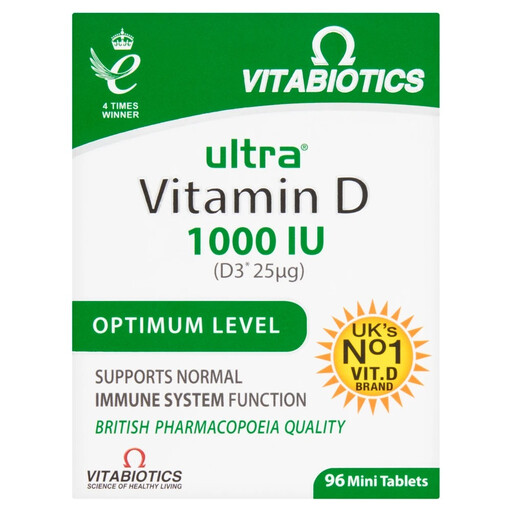
Why This Fits Their Persona: A 1000 IU tablet format suits adults wanting a simple daily routine, including those considering supplementation during periods of limited sunlight.
The strength is clearly stated as 25 µg (1000 IU), making it easier to compare with other supplements without guessing the dose.
96 mini tablets; one tablet per day; supports normal immune function, bones, teeth and muscles.
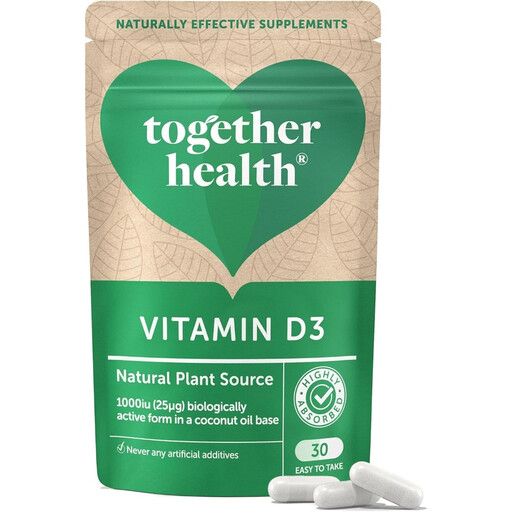
Why This Fits Their Persona: Suitable for adults following a vegan lifestyle who want a lichen-derived D3 capsule with a short ingredient list.
The product description identifies lichen as the vitamin D3 source and states that the capsule is vegan, helping address the lanolin confusion.
25 µg (1000 IU) per capsule; coconut oil included in the formulation; plastic-free, compostable packaging stated by the product listing.
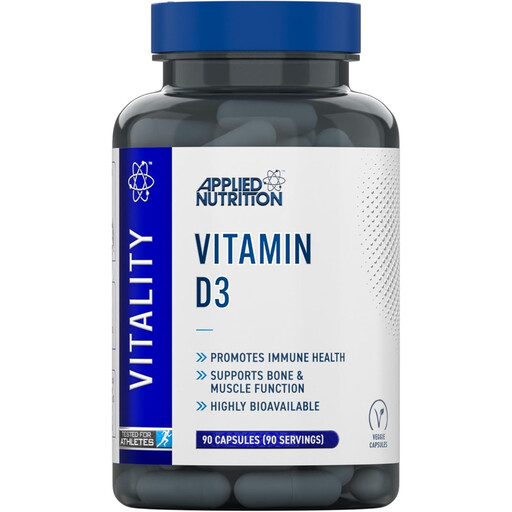
Why This Fits Their Persona: Adults specifically comparing vitamin D3 3000 IU products may prefer this single-capsule daily format with a 90-serving pack.
The listing gives the dose in both measurements: 75 µg and 3000 IU. This makes it easier to include in your total daily intake calculation.
One capsule daily with food; vegetarian-friendly; Halal certified according to the product listing.
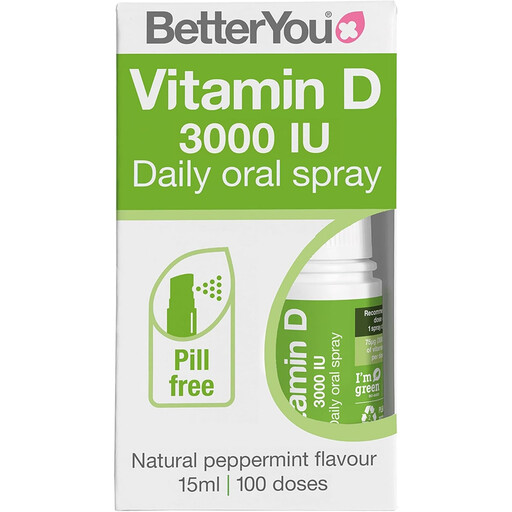
Why This Fits Their Persona: A peppermint oral spray may suit adults who dislike swallowing vitamin D3 capsules or tablets and want a compact option for travel.
The serving is defined as one spray providing 3000 IU, rather than leaving shoppers to estimate the amount from the bottle size.
15 ml portable bottle; no water required; natural peppermint flavour stated on the listing.
For a chewable option, Nordic Naturals Vitamin D3 Wild Berry Gummies provide 1000 IU per gummy in a gelatine-free format. Nutrigums Vitamin D3 gummies also provide 1000 IU and use pectin, while NOW Foods liquid vitamin D3 provides 1000 IU per drop. These can be useful alternatives, but always check age guidance, sugar content, allergens and the recommended serving.
For infants, do not use an adult product based on the strength alone. Infant vitamin D should be selected according to the label and advice from a health visitor, pharmacist or GP. The Nordic Naturals baby liquid listed above provides 400 IU per measured serving, but parents should confirm suitability and dosing for their child before use.
We have compiled a complete, real-time list of products that fully satisfy these strict selection criteria and UK safety regulations.
Shelf life varies by product. Check the best-before date, storage instructions and any “use within” guidance after opening. Keep capsules and liquids away from heat, humidity and direct sunlight, and close bottles securely.
Many labels recommend taking vitamin D3 with a meal, and some specifically suggest food containing fat because vitamin D is fat-soluble. Follow the individual product instructions rather than assuming every format has identical directions.
Check all labels for overlapping vitamin D. Seek advice from a pharmacist or GP if you take prescription medicines, have a medical condition, are pregnant or breastfeeding, or are considering a high-strength vitamin D3 product. Supplements should complement a varied, balanced diet and healthy lifestyle, not replace them.