
24/7 Customer Support

Free returns

Same-day & Next-day Delivery

Quality Guaranteed

Unlock Your Welcome Offers: FREE Delivery | Up to 80% OFF | Free 30-day JoyPlus trial
Download the APP
Vitamin D3 supplements can be useful for people in the UK who spend much of the day indoors, cover most of their skin, have limited sun exposure or want a convenient daily format. However, comparing products is not simply a matter of choosing the largest number on the label.
Marketing language can make a low-dose tablet appear equivalent to a high-strength spray, while a pleasant gummy may contain added sugar and a plant-based label may not always mean the vitamin D3 itself is vegan. This guide explains the key details to check before buying vitamin D3 tablets, capsules, gummies, oral sprays or liquid vitamin D3.
Vitamin D is measured in micrograms (µg) and International Units (IU). For reference, 10 µg equals 400 IU, while 25 µg equals 1,000 IU. Products containing vitamin D3 1000 IU, vitamin D3 2000 IU and vitamin D3 4000 IU are all available, but a higher strength is not automatically appropriate for everyday use.
The NHS generally advises adults to consider 10 µg of vitamin D daily during autumn and winter. People with limited sun exposure may be advised to take it throughout the year. The adult upper limit is commonly stated as 100 µg, or 4,000 IU, per day unless a healthcare professional recommends otherwise. Add up vitamin D from multivitamins and other supplements before choosing a high-strength vitamin D3 product.
Liquid vitamin D3 and oral sprays are convenient for people who dislike swallowing pills, but claims about dramatically faster or more complete absorption should be treated cautiously. A supplement’s declared dose, ingredients and directions matter more than phrases such as “advanced delivery” or “maximum absorption”.
Vitamin D is fat-soluble, so many tablets and capsules are designed to be taken with food. Some liquid products already use an oil base. Always follow the product label rather than assuming that one format will suit everyone.
A product may be vegetarian without being vegan. Vitamin D3 is often sourced from lanolin, whereas vegan vitamin D3 is generally made from lichen or algae. Capsules may use gelatine, and gummies can contain sugar or glucose syrup even when they have a simple-looking ingredient list.
Check the full ingredients panel for gelatine, dairy, gluten, soya, allergens, sweeteners and added sugar. If you take anticoagulants, pay particular attention to vitamin D3 and K2 products, because vitamin K may not be suitable with certain medicines without medical advice.
Look at the amount per tablet, capsule, spray, drop or sachet, not only the total quantity in the pack. A 30 ml bottle may provide many servings when one drop is the stated dose, while a 15 ml oral spray can have a different number of sprays depending on the design.
For many adults, 1,000 IU is a straightforward everyday strength. A 2,000 IU product may appeal to someone seeking a higher daily intake, while vitamin D3 4000 IU should be treated as a high-strength option and used only according to the label or professional guidance.
Vitamin D3 contributes to the normal function of the immune system and helps maintain normal bones, teeth and muscle function. These are permitted nutritional statements, not claims that a supplement prevents or treats illness.
If you follow a vegan or vegetarian diet, confirm the source of the cholecalciferol rather than relying on front-of-pack wording. Also consider whether you need a single-nutrient product or a combination such as vitamin D3 and K2. Combination formulas may not be suitable for everyone, particularly people taking blood-thinning medication.
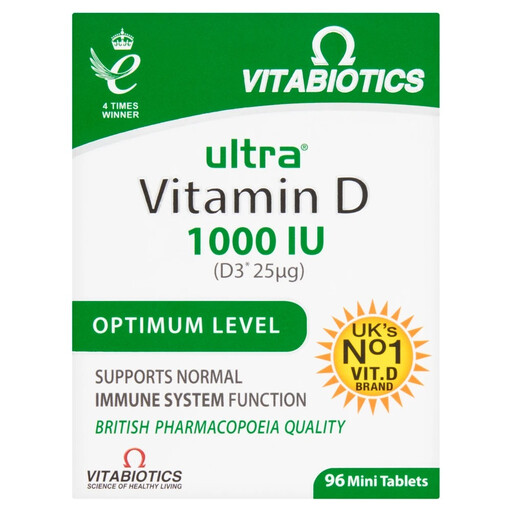
Why This Fits Their Persona: A compact 1000 IU tablet format suits adults starting a straightforward daily routine, including those with limited sun exposure.
The clearly stated 25 µg dose makes it easier to compare with other 1000 IU products without relying on vague strength claims.
96 tablets; small tablet format; provides vitamin D3 alongside normal immune, bone, teeth and muscle support.
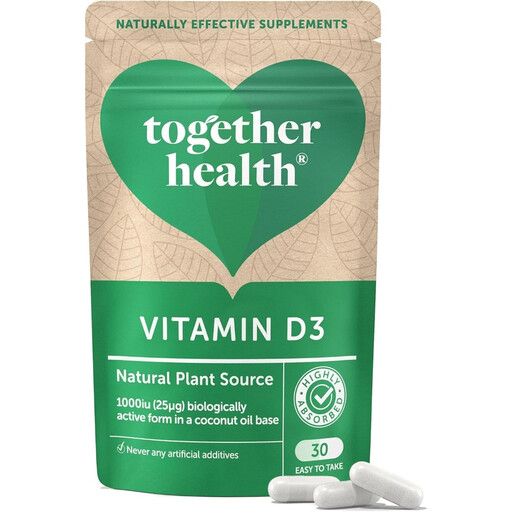
Why This Fits Their Persona: Plant-based shoppers can choose a capsule made with lichen-derived vitamin D3 and a coconut oil base.
The stated lichen source helps avoid the common mistake of assuming that every vitamin D3 capsule is vegan.
1000 IU per capsule; vegan formulation; coconut oil included in the ingredient list.
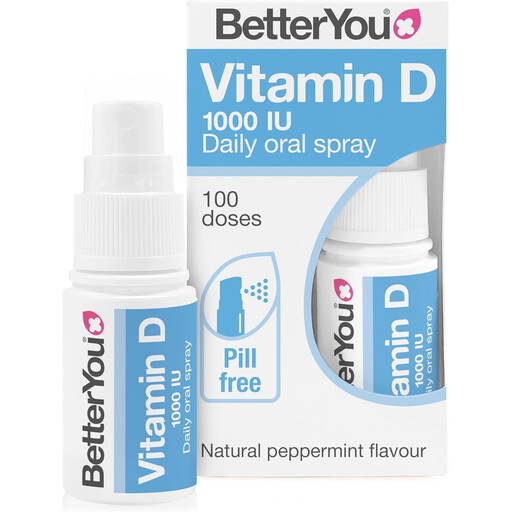
Why This Fits Their Persona: The peppermint oral spray is practical for commuters, travellers and anyone who does not want to carry water for tablets.
The product states one spray as the daily dose, reducing confusion about how much to use.
1000 IU per spray; 15 ml portable bottle; peppermint flavour; no tablet swallowing required.
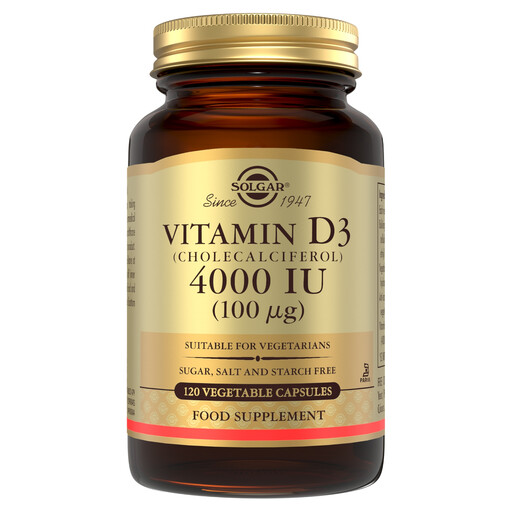
Why This Fits Their Persona: Adults specifically seeking a high-strength vitamin D3 format may value the larger 120-capsule pack, subject to professional guidance.
The 4000 IU strength is clearly declared, making it harder to mistake a high-dose product for a standard daily supplement.
4000 IU per vegetable capsule; 120-capsule pack; labelled for adults aged 18 and over.
We have compiled a complete, real-time list of products that fully satisfy these strict selection criteria and UK safety regulations.
The shelf life depends on the product and storage instructions. Keep tablets and capsules cool, dry and away from direct sunlight. Liquid vitamin D3 and sprays may have a shorter recommended use period after opening, so check the label rather than relying only on the printed best-before date.
Many products recommend taking vitamin D3 with a meal, particularly one containing some fat, because vitamin D is fat-soluble. Follow the specific directions for your chosen tablet, capsule, gummy, liquid or spray.
You may be able to, but check the total daily amount from every supplement. Do not combine high-strength vitamin D3 products without advice from a pharmacist or healthcare professional. Anyone who is pregnant, breastfeeding, taking medication, managing a medical condition or choosing a product for an infant should seek appropriate professional guidance before use.