
24/7 Customer Support

Free returns

Same-day & Next-day Delivery

Quality Guaranteed

Unlock Your Welcome Offers: FREE Delivery | Up to 80% OFF | Free 30-day JoyPlus trial
Download the APP
Vitamin gummies can make daily supplementation easier, particularly for people who dislike tablets, children who struggle with capsules and adults who want a portable format. However, a pleasant flavour and colourful packaging do not necessarily mean a product suits your age, diet or nutritional needs.
The practical approach is to compare the active ingredients, serving size, age guidance, dietary suitability and total daily intake before buying. The following guide highlights common purchasing traps and matches several vitamin gummies to different UK shopping needs.
A gummy may taste enjoyable but contain only a narrow group of nutrients. For example, an energy-focused product may provide B vitamins, while a multivitamin gummies formula may include vitamins A, C, D, E and minerals such as zinc or iodine.
Decide what you actually need first:
Gummy texture can come from pectin, agar or gelatine. If you follow a vegan, vegetarian or Halal diet, check the full ingredient list rather than relying only on the front of the packaging. Some products may also contain beeswax, dairy ingredients, coconut or sulphites.
Products made with pectin are often suitable for vegan shoppers, but certification and the current label remain the most reliable checks.
Gummies are chewable supplements, not automatically sugar-free foods. Some contain sugar or glucose syrup, while others use polyols or alternative sweeteners. Excessive polyol consumption may cause digestive discomfort in some people.
Also compare the number of gummies per serving. A 60-gummy bottle may provide 60 days of use at one gummy daily, but only 30 days if the suggested serving is two gummies. This affects the real cost of a daily wellness supplement.
Never use an adult formula for a child simply because the ingredients appear similar. Check the stated age range and whether parental supervision is required.
Examples in the range include:
Follow the label’s maximum daily intake. This is especially important when combining multivitamin gummies with separate vitamin D, iron, magnesium or immune support gummies.
Look for the nutrient amount per gummy or per stated serving, alongside the Nutrient Reference Value (NRV) where provided. This allows a more meaningful comparison than phrases such as “high strength” or “complete formula”.
For instance, one adult multivitamin product listed here provides one gummy with vitamin A, vitamin C, vitamin D3, vitamin E, vitamin B6 and vitamin B12. By contrast, a magnesium formula may provide 75 mg of elemental magnesium per gummy, while another adult magnesium product provides 300 mg across three gummies.
The chemical form can also matter when comparing products. Examples include magnesium citrate, creatine monohydrate, ferric pyrophosphate and ferrous fumarate. If you have a diagnosed deficiency or take medication, ask a pharmacist or GP which option is appropriate.
Read the ingredients and allergen statement every time, particularly if buying for a child. Check for:
Food supplements should complement a varied diet and should not replace medical treatment. Iron supplements require additional care because accidental overdose can be dangerous to young children. Keep all vitamin gummies securely out of reach.
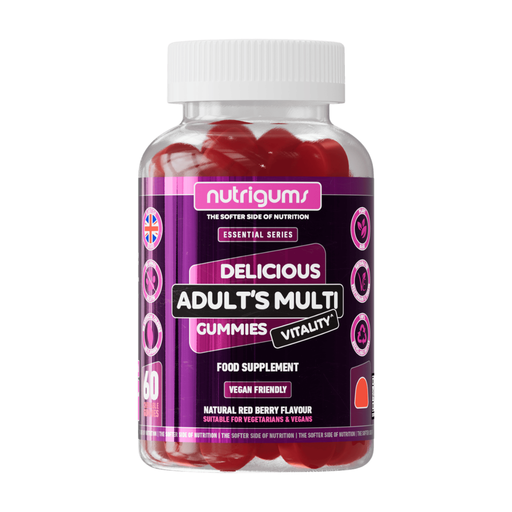
Why This Fits Their Persona: A once-daily adult multivitamin gummies format provides a straightforward starting point for shoppers seeking broad nutritional coverage without choosing several separate products.
The label lists the amount per one gummy, making daily use easier to calculate. It is also pectin-based and described as suitable for vegans and vegetarians.
One gummy daily; includes vitamins A, C, D3, E, B6 and B12; free from gluten, dairy, soya and nuts according to the supplied product information.
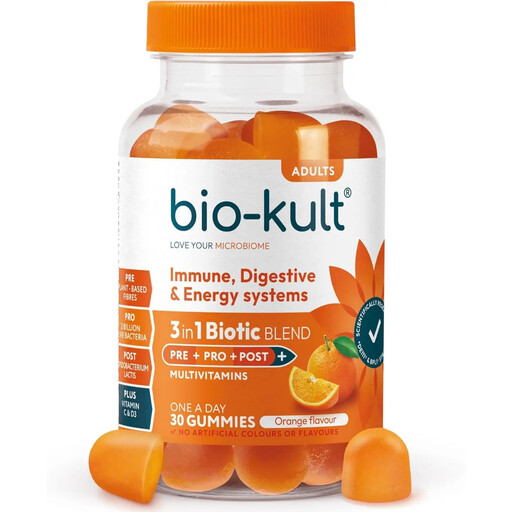
Why This Fits Their Persona: Suitable for adults who want a combined multivitamin and probiotic gummy in a compact orange-flavoured format.
It clearly states one gummy as the daily dose and identifies the probiotic content as 2 billion CFU per two-gummy serving, helping shoppers check the serving calculation.
Contains vitamin C, vitamin D3, prebiotic ingredients and named bacterial strains; uses pectin and stevia-based sweetening.
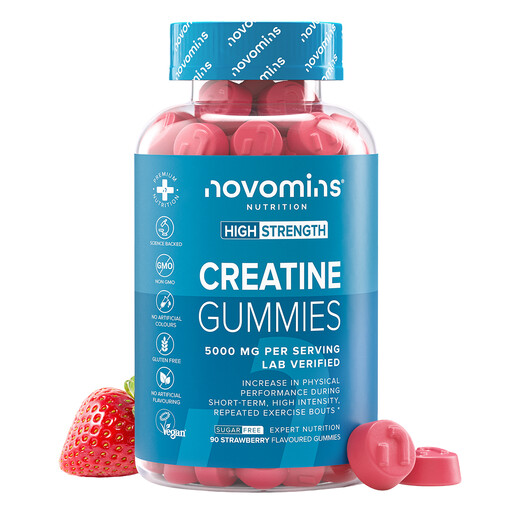
Why This Fits Their Persona: Designed for active adults who specifically want creatine gummies instead of powder, with no mixing bottle required.
The product identifies creatine monohydrate as its active ingredient and states a 5,000 mg amount per serving. It is separate from multivitamin use, reducing confusion between sports nutrition and general wellness.
Vegan, Halal, gluten-free and dairy-free according to the supplied information; chewable format with no powder preparation.
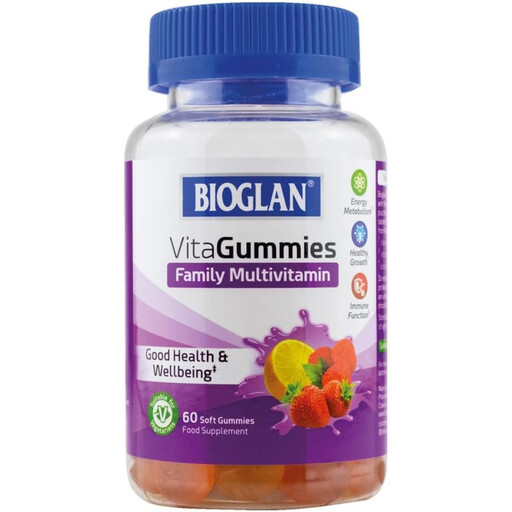
Why This Fits Their Persona: A family-oriented option for households wanting one product format for adults and children aged four and over, with different age-based directions.
The listing separates guidance for children aged 4–12, adults and children over 12. This helps carers avoid applying an adult serving to a younger user.
Provides vitamin D3, vitamin C, B vitamins, folic acid, biotin and iodine; uses fruit flavours and a pectin gummy base.
We have compiled a complete, real-time list of products that fully satisfy these strict selection criteria and UK safety regulations.
Many vitamin gummies are designed for daily use, but suitability depends on the product, age group and other supplements being taken. Follow the stated serving and do not combine several products containing the same nutrients without checking the totals.
The usable period depends on the best-before date and storage instructions. Keep the container tightly closed in a cool, dry place away from sunlight and humidity. Check the label for any specific “use within” guidance after opening.
The answer depends on the serving size, pack quantity and formulation. Compare the cost per daily serving, not only the shelf price. A 30-gummy pack used at two gummies per day lasts 15 days, whereas a 60-gummy pack used once daily lasts 60 days. This calculation makes comparisons between chewable vitamin supplements more practical.