
24/7 Customer Support

Free returns

Same-day & Next-day Delivery

Quality Guaranteed

Unlock Your Welcome Offers: FREE Delivery | Up to 80% OFF | Free 30-day JoyPlus trial
Download the APP
Buying vitamin and mineral supplements UK shoppers can use consistently is not simply a matter of choosing the highest number on the label. A suitable product should match your diet, age, lifestyle, preferred format and existing intake. Capsules, tablets, liquids, gummies, probiotics and sports nutrition supplements all serve different purposes.
The main challenge is separating useful product information from persuasive packaging. Before ordering, check these common pitfalls.
A larger number is not automatically more appropriate. For example, the Swanson zinc product provides 30 mg zinc per capsule, while the UK Nutrient Reference Value for adults is 10 mg. This may suit some specific supplementation plans, but combining it with a multivitamin or other zinc supplements could increase total intake unnecessarily.
Always compare the amount per serving with the amount you already receive from food and other products. Pay particular attention to zinc, iron, iodine, selenium and fat-soluble vitamins such as A and D.
The headline ingredient may not tell you the complete story. Magnesium products can list the weight of the compound rather than the amount of elemental magnesium. Vita London Magnesium Glycinate, for instance, lists 1,000 mg of magnesium glycinate per two capsules but provides 180 mg elemental magnesium.
Similarly, a product described as a “complex” may contain several forms in relatively small quantities. Read the nutrition panel rather than relying on the front label.
“Vegan” does not mean every product suits every dietary requirement. Check for allergens, sweeteners, soya, gluten, sulphites, milk and other ingredients. Some liquid formulas contain sugar or honey, while capsules may contain excipients that matter to people with allergies or intolerances.
For UK orders, also check the product label for recommended daily intake, age suitability, warnings, storage instructions and best-before information. Food supplements should complement a varied diet rather than replace it.
Look for the precise chemical form and the usable nutrient amount. Examples include:
A large bottle is not necessarily economical if the recommended serving requires several capsules. Calculate:
Pack size ÷ daily serving = approximate days of use
A 60-capsule product taken at two capsules per day provides around 30 days. Applied Nutrition Creatine Strength 3000 provides 3,000 mg per serving, but its instructions specify four capsules twice daily, so the pack duration should be calculated from the full daily dose.
The same approach helps when comparing multivitamins for women, vegan supplements and daily wellness supplements.
Choose a format you are likely to use correctly:

Why This Fits Their Persona: A one-capsule daily format provides vitamin C, vitamin D3, zinc, selenium and a probiotic strain for adults seeking straightforward daily wellness supplements.
The label specifies amounts for four key nutrients and a minimum of 2 billion live cultures at the end of shelf life, rather than only using a broad “immune” description.
Vegan, free from dairy, soya and gluten; room-temperature storage is permitted.
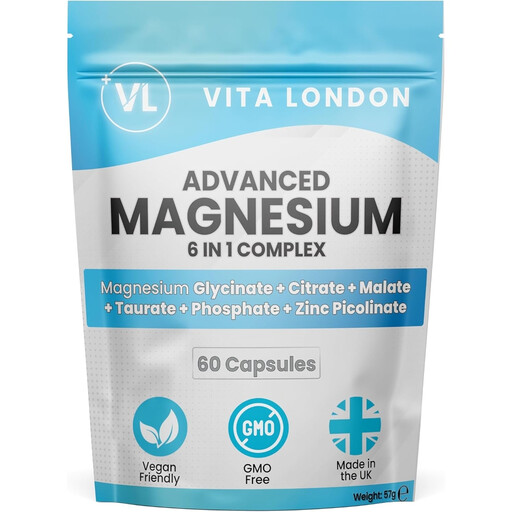
Why This Fits Their Persona: Suitable for adults wanting a multi-form magnesium product alongside zinc for a structured muscle, energy and daily mineral routine.
It clearly separates 1,500 mg of magnesium compounds from 292.08 mg elemental magnesium per serving, making comparison more transparent.
Six listed magnesium forms; vegan capsules with a 60-capsule, one-month pack.
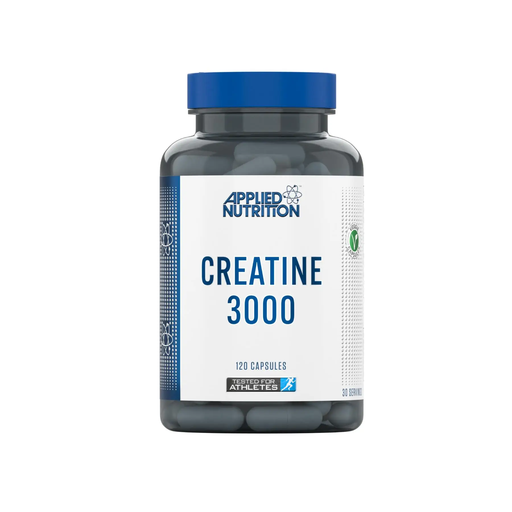
Why This Fits Their Persona: Designed for active adults and vegan users who prefer measured capsules rather than mixing creatine powder into drinks.
The instructions state the serving size and maximum daily intake, helping heavy users calculate capsule requirements before purchase.
Creatine monohydrate; 120 capsules in a vegan capsule format.
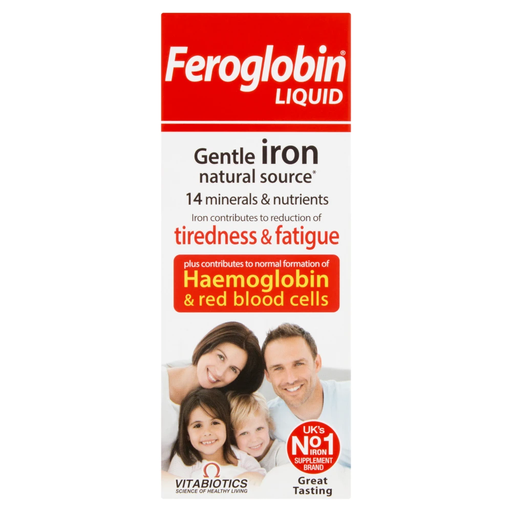
Why This Fits Their Persona: A liquid format for adults and children over three who find tablets inconvenient and want iron with vitamin C and B vitamins.
The label gives a measured 10 ml serving and states that the opened bottle should be refrigerated and used within eight weeks.
Provides 14 mg iron, 20 mg vitamin C and several B vitamins per 10 ml; vegetarian-friendly.
Calculate the cost per recommended day, not simply the price of the bottle. Check the serving size, number of servings, delivery charges and storage requirements. A 180-tablet pack may provide fewer days than expected if the serving is two tablets.
The shelf life varies by product. Capsules and tablets are generally stored in a cool, dry place, while some liquids require refrigeration after opening. Probiotic capsules may be shelf-stable, but always follow the product label. Do not use a supplement beyond its stated best-before date or if the seal is damaged.
Take care to avoid duplicating nutrients across multivitamins, immune support supplements, magnesium, zinc, iron, iodine and selenium products. People taking medicines, preparing for surgery, pregnant or breastfeeding, or managing a medical condition should ask a qualified healthcare professional before combining supplements.