
24/7 Customer Support

Free returns

Same-day & Next-day Delivery

Quality Guaranteed

Unlock Your Welcome Offers: FREE Delivery | Up to 80% OFF | Free 30-day JoyPlus trial
Download the APP
Vitamin and mineral supplements can make daily nutrition more convenient, but choosing between multivitamins, magnesium supplements, electrolyte tablets and vitamin B12 supplements is not always straightforward. A colourful tube or “high-strength” label does not necessarily mean the product suits your diet, routine or intended use.
Before buying, look beyond the front of the pack. The serving size, nutrient amounts, sweeteners, allergens and usage instructions can make a significant difference to the value and practicality of your choice.
A general multivitamin may contain a wide range of nutrients, while a vitamin B complex, magnesium product or hydration tablet is designed around a narrower purpose. Buying a broad formula when you only need a specific nutrient can lead to unnecessary duplication, particularly if you already take daily wellness supplements.
Check the full nutrition panel rather than relying on phrases such as “complete”, “energy” or “immune support”. Compare nutrients across products and avoid combining several high-dose formulas without checking the total intake.
A higher number is not always a better fit. For example, products may provide different amounts of magnesium, vitamin B12, iron or vitamin C per serving. Some formulas use one tablet daily, while others require two or three tablets.
Pay attention to the recommended serving, not only the amount printed in large type. Also check whether the stated amount refers to the nutrient itself or the weight of a compound such as magnesium citrate.
Effervescent vitamin tablets can be convenient, but sweeteners, sugar, caffeine and allergens vary. Sugar-free supplements may still contain sweeteners such as sucralose, sorbitol or acesulfame K. Sorbitol can cause a laxative effect when consumed excessively.
Active shoppers should also distinguish between electrolyte tablets and energy tablets. Electrolytes are generally selected for fluid and mineral replacement around exercise or hot conditions, whereas caffeine-containing products are intended for alertness and may not suit late-day use.
For magnesium supplements, compare elemental magnesium per serving and the source used, such as citrate, oxide or bisglycinate. A product listing several forms may offer a different nutrient profile from a single-source formula.
For vitamin B12 supplements, check whether the product uses cyanocobalamin or methylcobalamin, and note the microgram amount per tablet. People following vegan or vegetarian diets should also check the complete ingredient list and capsule or tablet materials rather than assuming every B12 product is vegan.
Calculate the number of days supplied. A 20-tablet tube used once daily provides 20 servings, while a 60-tablet bottle may require two or three tablets each day. A lower price per pack does not necessarily mean a lower cost per day.
For example, some multivitamins for women provide three tablets daily, whereas selected multivitamins for men use one tablet daily. Both formats can be practical, but they suit different routines.
Look for a clear ingredient list, recommended daily intake, storage instructions and age guidance. Check the Nutrient Reference Value (NRV) where supplied, but remember that the percentage does not determine whether a product is suitable for you.
People taking medicines, managing a medical condition or who are pregnant or breastfeeding should seek advice from a healthcare professional before using supplements. Food supplements should not replace a varied, balanced diet and healthy lifestyle.
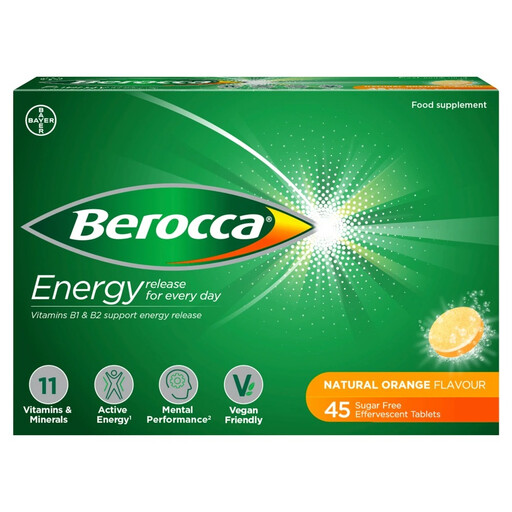
Why This Fits Their Persona: A 45-tablet pack offers a convenient longer-duration option for adults who prefer one orange effervescent vitamin tablet in water each day.
The label clearly states one tablet per day and identifies the sugar-free format, helping shoppers compare pack duration and sweetener use.
Contains vitamin C, B vitamins, magnesium and zinc; provides 45 effervescent tablets in one pack.
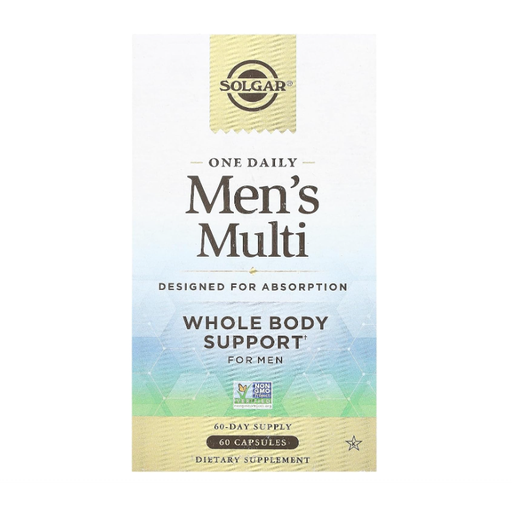
Why This Fits Their Persona: Adult men seeking a one-tablet daily multivitamin with a defined nutrient panel may appreciate its detailed formulation.
The product information lists nutrient amounts, ingredients and a maximum one-tablet daily dose, rather than relying only on broad wellness language.
60 tablets; includes vitamin D, zinc, selenium, B vitamins and methylcobalamin B12; suitable for adult men.
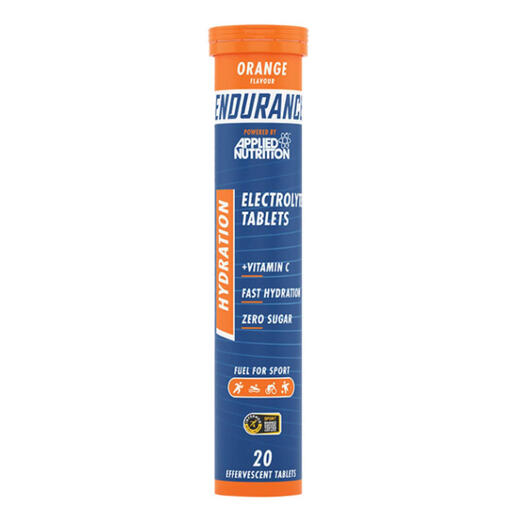
Why This Fits Their Persona: Designed for adults who train, travel or spend time outdoors and want a measured hydration tablet to dissolve in water.
It provides stated amounts per tablet, including sodium, potassium, calcium, magnesium and vitamin C, plus a maximum of four tablets daily.
Sugar-free and vegan-friendly; 7 kcal per orange-flavoured tablet; dissolves in 200–500 ml of water.
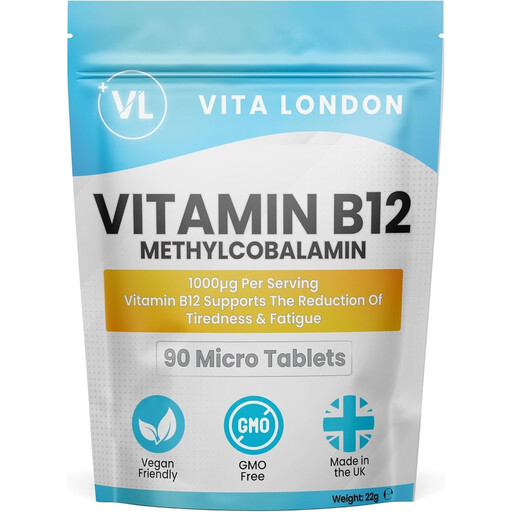
Why This Fits Their Persona: Adults following a vegan or plant-based diet may prefer a clearly labelled, single-nutrient B12 product with a 90-tablet supply.
It identifies the B12 form, amount per tablet, vegan suitability and one-tablet daily direction, making comparison easier than a vague energy blend.
1000 µg methylcobalamin per tablet; vegan, gluten-free and dairy-free formula; 90 tablets per pouch.
We have compiled a complete, real-time list of products that fully satisfy these strict selection criteria and UK safety regulations.
Compare the nutrient amount per serving, serving size, pack duration, ingredient form, dietary suitability and warnings. A lower tablet price may not be lower per day if the recommended intake requires multiple tablets.
Some are labelled for one tablet daily, but directions differ by product. Check the label for sweeteners, caffeine, sodium and maximum intake. Do not exceed the stated dose, and remember that supplements are not a substitute for a varied diet.
Check the exact form and amount per serving, whether the product suits your diet and whether it overlaps with another multivitamin or vitamin B complex. If you take medication, have a medical condition or need targeted nutritional advice, consult a healthcare professional before purchase.