
24/7 Customer Support

Free returns

Same-day & Next-day Delivery

Quality Guaranteed

Unlock Your Welcome Offers: FREE Delivery | Up to 80% OFF | Free 30-day JoyPlus trial
Download the APP
A vitamin C serum can be a useful addition to a daily skincare routine when your goals include a brighter-looking complexion, less visible dullness or a more even-looking skin tone. However, choosing one is not simply a matter of selecting the highest percentage on the label.
Marketing language can make similar products appear interchangeable, while their vitamin C forms, supporting ingredients and textures may be very different. The following guide from the Joybuy Product Recommendation Officer focuses on practical checks that help UK shoppers avoid unsuitable purchases.
Pure ascorbic acid is a well-known vitamin C form, but it can feel more intense on some skin types, particularly when combined with exfoliating acids or fragrance. Derivatives such as 3-O-ethyl ascorbic acid, ascorbyl glucoside and sodium ascorbyl phosphate are alternative forms often selected for a gentler or more stable formulation.
A product labelled “high potency” may therefore not be the right choice for beginners or sensitive skin. Check the full ingredient list rather than judging by the headline percentage alone.
A brightening serum may improve the appearance of dullness or uneven tone with consistent use, but dark spots can have different causes and may not respond in the same way. Sun exposure can also make discolouration more noticeable.
For daytime routines, apply a broad-spectrum sunscreen after skincare. This is especially important when using products containing vitamin C, salicylic acid, lactic acid or other active ingredients.
A formula that feels sticky, heavily fragranced or drying is less likely to become a consistent part of your routine. Vitamin C ingredients can also be affected by light, heat and air. Look for practical packaging such as a well-sealed bottle or airless pump, and check the batch, shelf-life and storage information on the product packaging.
Pure L-ascorbic acid is used in products such as the Garnier Vitamin C Anti Dark Spot Night Serum and L'Oréal Revitalift Clinical Vitamin C Serum. The latter lists 12% ascorbic acid, alongside vitamin E and salicylic acid. These combinations may appeal to shoppers seeking an anti-ageing serum or serum for dull skin, but they may feel more active than a simple hydrating face serum.
Other options use derivatives. Beauty Of Joseon Light On Serum Centella + Vita C lists 10% 3-O-Ethyl Ascorbic Acid, while Estée Lauder Perfectionist Pro Rapid Brightening Treatment contains ascorbyl glucoside. Derivatives can be worth considering if you prefer a lighter daily brightening serum.
Vitamin C is often paired with ingredients that address hydration or comfort:
Read the complete INCI list if you have acne-prone or sensitive skin. Fragrance, essential oils, exfoliating acids and alcohol may not suit everyone.
Apply serum after cleansing and, where applicable, toner. Follow with moisturiser. If a product includes exfoliating acids, introduce it gradually and avoid combining several potentially irritating actives at the same time.
A patch test is sensible, particularly when buying a sensitive skin vitamin C serum or trying a new active. Do not apply skincare to broken, inflamed or severely irritated skin, and discontinue use if persistent redness, itching, swelling or stinging develops.
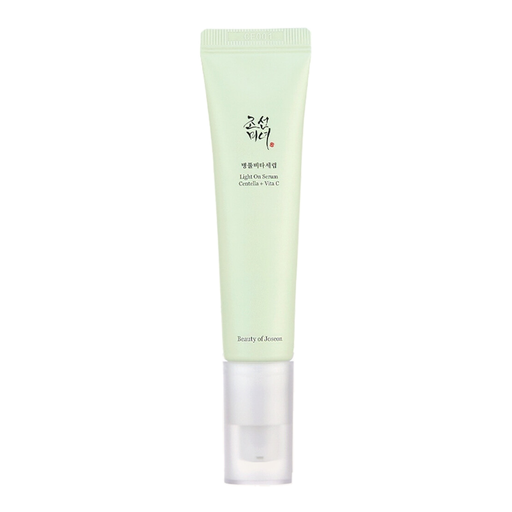
Why This Fits Their Persona: A lightweight Korean vitamin C serum format for shoppers starting a simple morning or evening routine without a heavy finish.
It uses a listed vitamin C derivative rather than relying only on a high-strength percentage claim, and its ingredient list includes centella and panthenol.
30ml size; includes 10% 3-O-Ethyl Ascorbic Acid and a lightweight texture described for daily application.
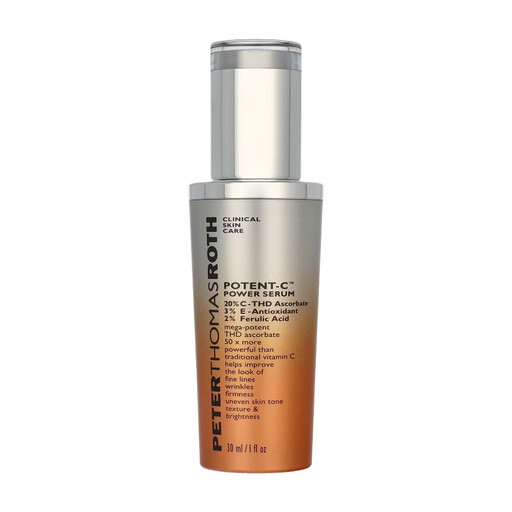
Why This Fits Their Persona: Suits shoppers who want a concentrated antioxidant skincare formula with several supporting ingredients in one bottle.
The formula clearly lists 20% THD Ascorbate, 3% vitamin E and ferulic acid, allowing a more informed comparison than vague “power” wording.
Includes squalane and sodium hyaluronate; designed for face and neck application.
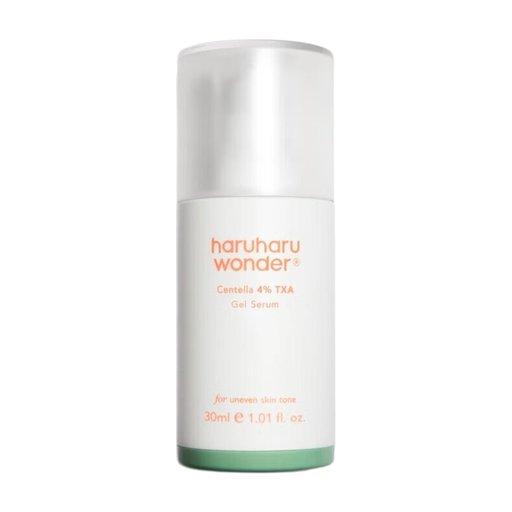
Why This Fits Their Persona: A targeted choice for shoppers prioritising the appearance of dark spots, hyperpigmentation and uneven skin tone rather than general hydration alone.
Its label identifies 4% tranexamic acid and 4% niacinamide, while centella ingredients provide a clearly stated supporting focus.
Airless pump packaging; lightweight gel texture; fragrance-free formula according to the supplied product information.
We have compiled a complete, real-time list of products that fully satisfy these strict selection criteria and UK safety regulations.
Cleanse first, then apply toner if you use one, followed by two or three drops of serum. Finish with moisturiser. Morning users should apply broad-spectrum sunscreen as the final step. If the formula contains acids, begin on alternate days rather than applying several active products together.
There is no single lifespan for every formula. Follow the expiry, PAO symbol and storage instructions printed on the packaging. Keep the bottle tightly closed and away from direct sunlight and high temperatures. A noticeable change in colour, odour or texture is a reason to stop using the product and check the label guidance.
Some formulas are designed with lighter textures and ingredients such as centella, panthenol or hyaluronic acid, but suitability is personal. Check for fragrance, essential oils, salicylic acid and high-strength pure ascorbic acid if your skin is easily irritated. Patch test first and stop use if discomfort persists.