
24/7 Customer Support

Free returns

Same-day & Next-day Delivery

Quality Guaranteed

Unlock Your Welcome Offers: FREE Delivery | Up to 80% OFF | Free 30-day JoyPlus trial
Download the APP
Vitamin D supplements can look similar on a product page, yet the differences in strength, format, ingredients and intended age range can significantly affect whether a product suits your household. UK shoppers often compare capsules, vitamin D gummies, sprays and liquids without checking the full daily dose or the source of vitamin D3.
Common marketing traps include:
The right choice depends on your age, diet, sunlight exposure, preferred format and any medical advice you have received.
Vitamin D is commonly shown in micrograms (µg) and International Units (IU). As a practical guide, 1 µg of vitamin D equals 40 IU. Therefore:
The NHS advises that adults should consider taking 10 µg of vitamin D daily during autumn and winter. People who have limited sunlight exposure may need to consider supplementation throughout the year. This is general public guidance, not a personalised dosage recommendation.
Products providing 2,000 IU or more are high-strength vitamin D3 supplements. They may be suitable for some adults, but you should follow the label and ask a pharmacist or doctor for advice if you have a medical condition, take medication, are pregnant or breastfeeding, or have been told you have low vitamin D.
Vitamin D3, also called cholecalciferol, is widely used in supplements. However, the source can vary:
Always read the ingredients and allergen statement rather than relying only on terms such as “clean” or “natural”.
Capsules and tablets are compact and generally simple to store. Gummies may be easier for people who dislike swallowing pills, but check the sugar content and age guidance. A vitamin D oral spray can be useful when you prefer not to swallow capsules, while liquid vitamin D3 allows measured drops for flexible use.
For children, age-specific directions are essential. Do not give an adult product to a baby or young child simply because the dose appears small. Baby vitamin D drops should be measured with the supplied dropper and used according to the label or healthcare guidance.
The following options illustrate how different strengths and formats may suit distinct shopping needs. Check the current label, dosage and availability before ordering.
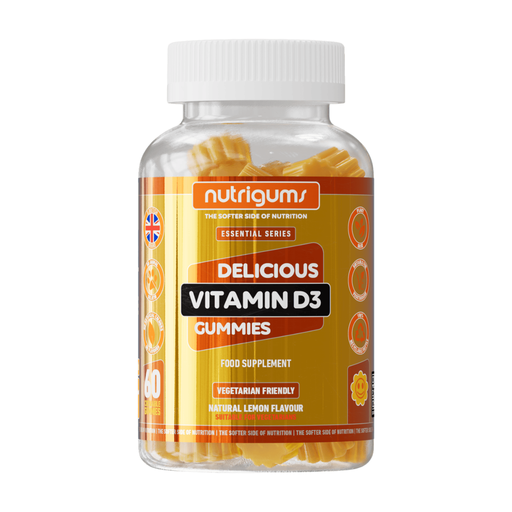
Why This Fits Their Persona: A straightforward option for adults and users aged 12 and over who prefer a chewable lemon-flavoured format instead of tablets.
The label states one 25 µg (1,000 IU) gummy daily and identifies the product as vegan and gelatine-free, making the dose and dietary suitability easier to assess.
Provides 1,000 IU per gummy; uses pectin and natural lemon flavouring; listed as gluten-, dairy-, soya- and nut-free.
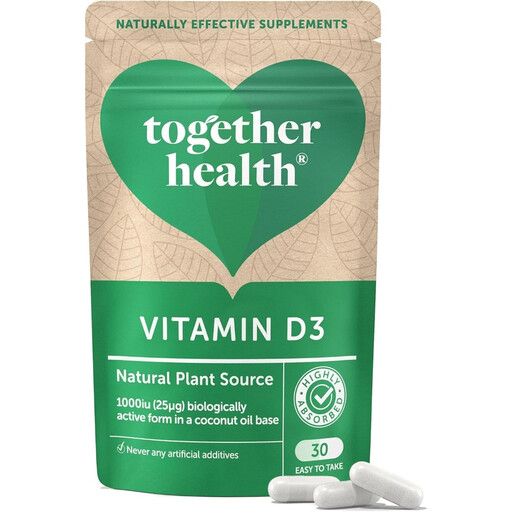
Why This Fits Their Persona: Designed for adults following a vegan or plant-based diet who want a capsule with a clearly identified lichen source.
It avoids the common assumption that all vitamin D3 is plant-based by specifying lichen-derived D3 and a vegetable capsule shell.
Supplies 25 µg (1,000 IU) per capsule; includes coconut oil and is described as vegan and cruelty-free.
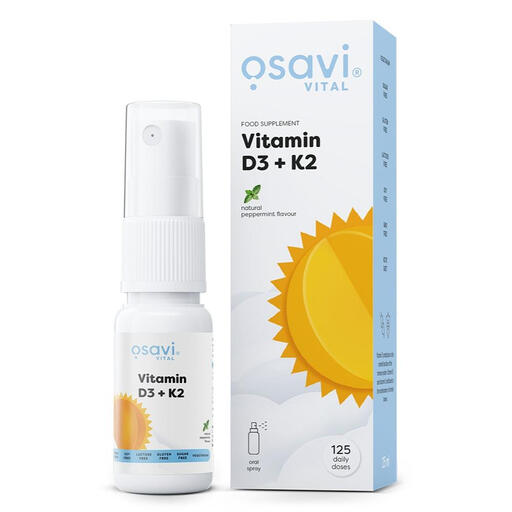
Why This Fits Their Persona: Suitable for adults and children from 3 years who prefer a spray and are specifically comparing vitamin D and K2 products.
The serving is defined as one spray, and the label identifies both D3 and K2 amounts rather than relying on a general bone-health message.
Contains D3 and K2 as MK-7; sugar-free, gluten-free, lactose-free and suitable for vegetarians.
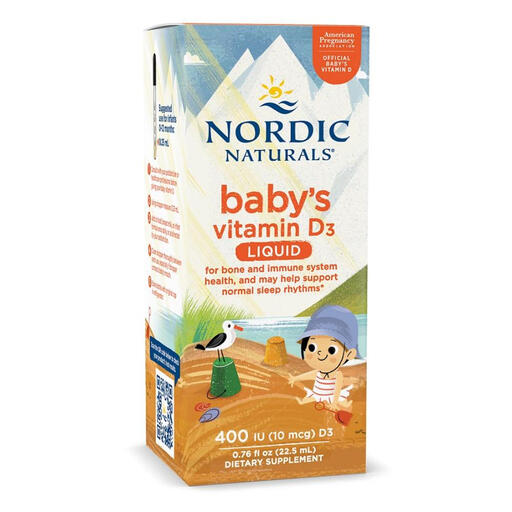
Why This Fits Their Persona: A measured liquid format for infants from birth to 12 months, where accurate serving size matters more than a large bottle or high dose.
It is clearly labelled for infant use and supplies 400 IU (10 µg) in a 0.25 ml serving, with a measured dropper included.
Provides a clearly stated infant serving and uses olive oil as the base. Follow the product instructions and seek paediatric advice where needed.
We have compiled a complete, real-time list of products that fully satisfy these strict selection criteria and UK safety regulations.
Shelf life varies by product and packaging. Check the best-before date, store capsules and gummies in a cool, dry place, and follow any opening guidance for liquids and sprays. Some products specify a shorter period after opening, so record the date you start using them.
Some omega-3 with vitamin D products combine fish oil and vitamin D in one daily serving. This may be convenient, but check the amount of vitamin D and EPA/DHA per capsule. Avoid automatically adding a separate vitamin D product unless you have checked the combined daily intake. Fish allergies, pregnancy, breastfeeding and medication use should be discussed with a healthcare professional where relevant.
Only when the product specifically states the appropriate age range and serving. Adult gummies should not be given to young children. For babies, use baby vitamin D drops designed for the relevant age and measure the serving carefully. Keep all supplements out of sight and reach of children, as gummies can resemble sweets.
A sensible purchase starts with the serving size, source, age guidance and full ingredient list—not just the headline IU figure. Compare those details with your routine, then select a format you can use accurately and consistently.