
24/7 Customer Support

Free returns

Same-day & Next-day Delivery

Quality Guaranteed

Unlock Your Welcome Offers: FREE Delivery | Up to 80% OFF | Free 30-day JoyPlus trial
Download the APP
Navigating the world of health supplements can feel overwhelming. With shelves and websites filled with countless bottles promising vitality, immunity and performance, it's easy to feel lost in the marketing clutter. Many UK consumers find themselves spending money on products that don't deliver, not because the concept is flawed, but because they've fallen into common purchasing traps.
As the Joybuy Product Recommendation Officer, my role is to help you see past the hype. Before you add anything to your basket, let's look at the key pitfalls to avoid.
To make an informed choice, you don't need a degree in nutrition. You just need to know where to look. Focusing on a few core parameters can help you select effective health supplements UK residents can rely on.
The form of a nutrient is critical. Different forms have different absorption rates, meaning your body can utilise one far more effectively than another.
The Nutrient Reference Value (NRV) indicates the daily amount of a vitamin or mineral that a healthy person needs. When checking a label, don't just look at the percentage of NRV; check the actual dosage (in mg or μg) per serving. Some products may seem inexpensive, but require you to take multiple tablets to reach the advertised dose, making them less cost-effective in the long run.
Consider your primary goal. Are you looking for broad nutritional insurance or to address a specific need?
multivitamins for women or men, which are tailored to different physiological needs.sports nutrition might choose a pure creatine monohydrate powder to support performance, while another person might select a collagen powder to support their skin health routine. This approach avoids the unnecessary ingredients found in some all-in-one blends.Based on these practical criteria, here are a few options from our catalogue that align with specific user needs and avoid the common pitfalls.
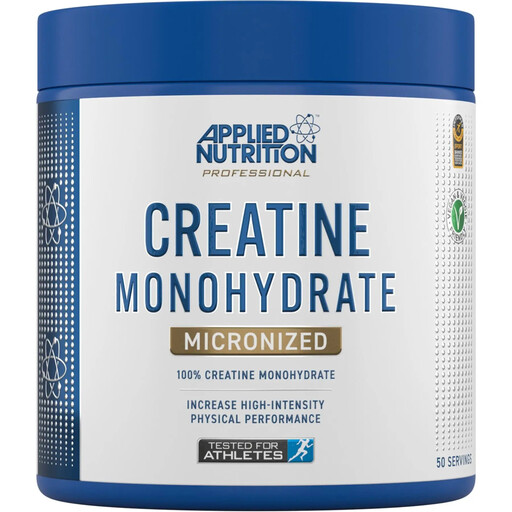
Why This Fits Their Persona: This user is focused on performance and doesn't want unnecessary fillers. They need a straightforward, effective product for their sports nutrition regimen to support strength and high-intensity exercise.
It sidesteps the "miracle ingredient" trap by offering a single, well-regarded ingredient—creatine monohydrate. The unflavoured, pure formula is a direct counter to overly complex, hyped-up pre-workout blends.
The powder is micronised, meaning the particles are smaller for easier mixing and potentially faster absorption. Its unflavoured nature allows for versatile use with water or protein shakes.
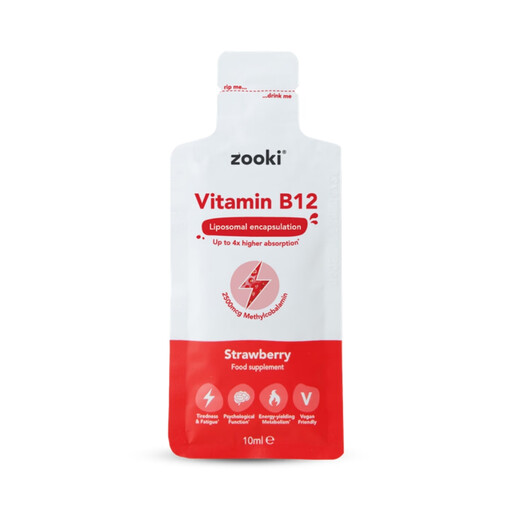
Why This Fits Their Persona: This individual needs a convenient and effective way to support their energy levels amidst a demanding schedule. They value efficiency and are looking for an energy supplement that works without the jitters of caffeine.
It directly tackles the bioavailability blind spot. The liposomal delivery system protects the Vitamin B12 from stomach acid, aiming for better absorption compared to standard tablets. It uses the active Methylcobalamin form.
This is a high-potency, sugar-free liquid that can be taken directly or mixed with water. Its convenience and focus on absorption make it a practical choice for supporting energy-yielding metabolism.
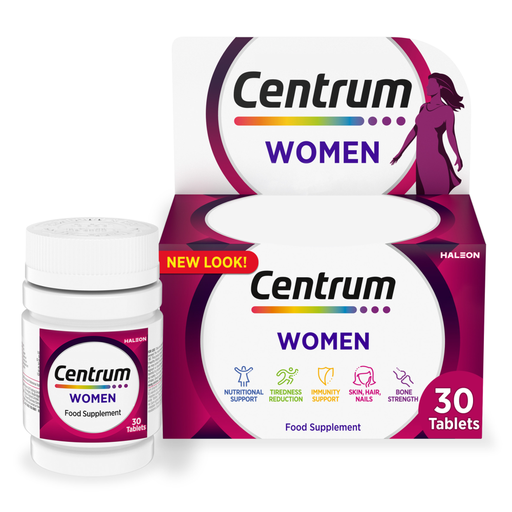
Why This Fits Their Persona: For women under 50 with active lifestyles, this provides a comprehensive foundation for daily health, supporting energy, immunity and the maintenance of healthy hair, skin and nails.
This product avoids the "one-size-fits-all" fallacy by providing a formula specifically tailored to the nutritional needs of women under 50, with adjusted levels of iron, folic acid and other key micronutrients.
It contains 24 vitamins and minerals, including Biotin, Zinc and Selenium for hair, skin and nails, plus high-potency B vitamins and Iron to help reduce tiredness and fatigue. It's a convenient, once-daily tablet.
We have compiled a complete, real-time list of products that fully satisfy these strict selection criteria and UK safety regulations.
There is no single answer, as it depends on the nutrient and your individual body. Some people may feel a difference in energy from B vitamins within days or weeks. For others, such as correcting a significant Vitamin D deficiency or supporting skin health with collagen, it may take several months of consistent use to notice tangible effects. The key is consistency and pairing supplements with a balanced diet.
This depends on your goal. A multivitamin is a good general-purpose tool to cover potential dietary gaps. However, if you have a specific deficiency (like low iron or vitamin D) or a particular goal (like immune support supplements or sports performance), taking a targeted, individual supplement is often a more direct and effective approach. It allows you to get a precise, higher dose of the nutrient you need without extra ingredients.
The UK government and NHS advise that everyone should consider taking a daily 10 microgram (400 IU) supplement of vitamin D during the autumn and winter months (October to early March). This is because the sun is not strong enough during this period for our bodies to produce sufficient vitamin D. Some people with limited sun exposure, such as those who are housebound or cover their skin when outdoors, may need to take a supplement year-round. Always read the product label for dosage information.