
24/7 Customer Support

Free returns

Same-day & Next-day Delivery

Quality Guaranteed

Unlock Your Welcome Offers: FREE Delivery | Up to 80% OFF | Free 30-day JoyPlus trial
Download the APP
Buying vitamin supplements in the UK can seem straightforward until you compare dose, ingredients, formats and age guidance. A brightly packaged product may not suit your diet, while a high-strength formula may provide far more of one nutrient than you need.
This guide from the Joybuy Product Recommendation Officer focuses on practical checks for UK shoppers, including adults, women, vegans and vegetarians and parents buying baby or children’s vitamins.
A label showing 500%, 1,000% or more of the Nutrient Reference Value (NRV) can look impressive. However, a higher percentage does not automatically mean the product is more suitable for your routine. It may duplicate nutrients already found in a multivitamin, fortified food or another supplement.
Check the amount per serving, not only the percentage. Vitamin D3 supplements, vitamin B12 supplements and vitamin B complex products can vary considerably in strength.
“Plant-based” on the front of a package may refer to one ingredient rather than the complete product. Check the capsule shell, vitamin source, flavourings and processing information.
For example, some vitamin E softgels use bovine gelatine, while some vitamin D3 products are vegetarian but not vegan because the D3 source may be lanolin-derived. Vegan vitamins and vegetarian supplements should be selected by checking the full ingredient list and suitability statement.
Gummies and liquid vitamins are useful for people who dislike tablets, but they may contain sugar, sweeteners or flavourings. Liquid products also require careful measuring and storage after opening.
For children, age-specific dosage is particularly important. Do not use an adult product for a baby or young child simply because the ingredient appears familiar.
First decide whether you need a broad formula or a single nutrient:
Compare the chemical form, serving size and recommended daily intake. A serving may mean one capsule, two tablets or a measured quantity of liquid.
The label should clearly state whether the product is for adults, children, infants or another group. Check for allergens such as soya, barley, nuts, dairy and coconut, as well as capsule materials such as gelatine.
Parents should also check whether a product is intended from birth, one month, four months or six months. These distinctions matter more than flavour or bottle size.
Tablets and capsules are usually convenient for adults, while liquid vitamins, drops and gummies may be easier for children or people who have difficulty swallowing.
Look for:
Always follow the product label. Food supplements should not replace a varied, balanced diet.
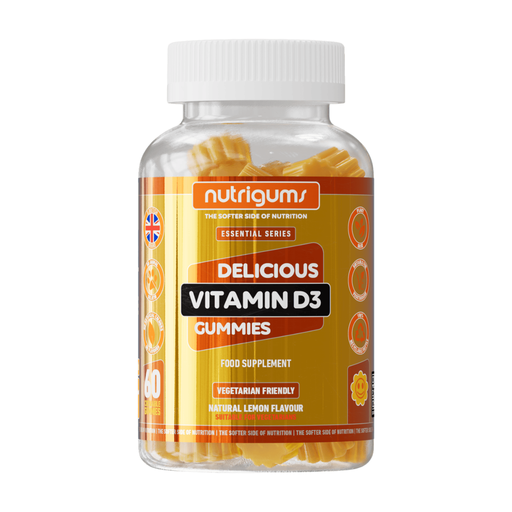
Why This Fits Their Persona: A straightforward single-nutrient option for adults and children aged 12 and over who prefer a chewable format rather than a full multivitamin.
The label states one gummy provides 25µg (1,000 IU) of vitamin D3, so the daily amount is easy to identify. It is not presented as a substitute for checking other sources of vitamin D.
Vegan and vegetarian-friendly pectin gummies with natural lemon flavour; gluten-free and free from artificial colours and flavours.
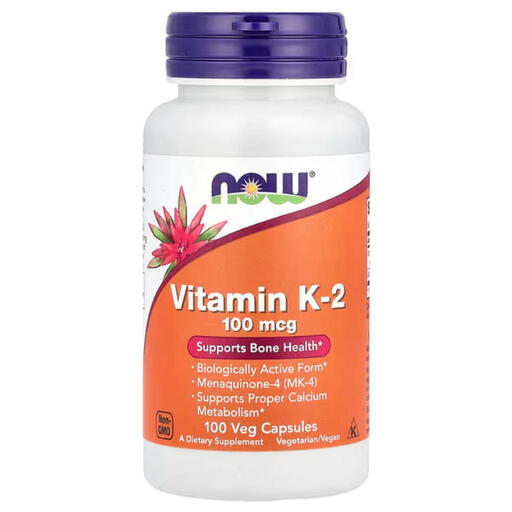
Why This Fits Their Persona: Suitable for adults seeking a vegan capsule with a clearly stated 100mcg vitamin K2 serving and a 100-capsule format.
The formula identifies vitamin K2 as menaquinone-4 (MK-4), rather than relying only on vague bone-health wording. Users taking warfarin or other anticoagulants should seek medical advice before use.
Vegan vegetable capsule; includes 250mg alfalfa powder and contains no gluten, dairy, soya, eggs, fish or tree nuts according to the supplied product information.
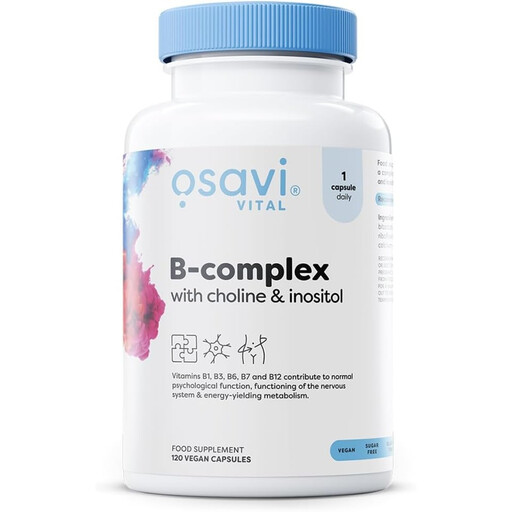
Why This Fits Their Persona: Designed for adults who specifically want a broad B-vitamin formula in a vegan capsule and prefer a larger 120-capsule supply.
Each capsule lists the individual B-vitamin amounts, including 100µg vitamin B12, rather than simply stating “energy support”. Check the total intake if combining it with multivitamins.
Contains eight B vitamins plus choline and inositol; free from gluten, dairy, sugar, soya, binders and fillers according to the product details.
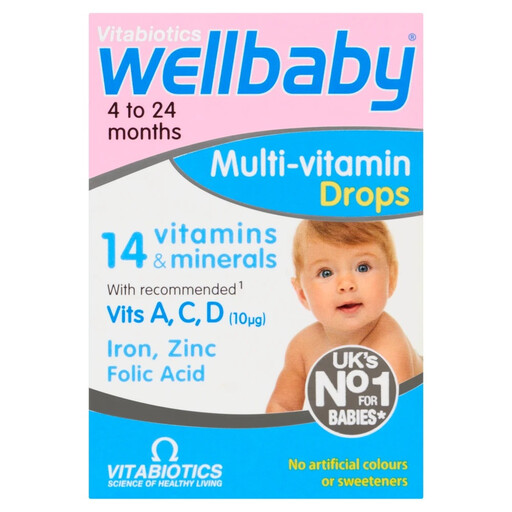
Why This Fits Their Persona: Intended for babies aged 4 to 24 months, with an oral syringe and a stated 0.5ml twice-daily direction for measured use.
The age range, dose and storage instructions are stated clearly. It contains barley, so parents must check the ingredient list for allergies or dietary restrictions.
Provides 14 listed nutrients, including vitamins A, C and D, iron and zinc; suitable for vegetarians and refrigerated after opening.
We have compiled a complete, real-time list of products that fully satisfy these strict selection criteria and UK safety regulations.
Before ordering, compare the product with your current routine. Avoid taking two multivitamins together unless advised by a healthcare professional. This is especially important for fat-soluble vitamins A, D, E and K, which can accumulate in the body.
Pregnant or breastfeeding shoppers, people taking prescription medication and anyone managing a medical condition should ask a GP, pharmacist or other qualified healthcare professional before starting a new supplement. Keep all products out of children’s reach and check the packaging for batch details, expiry information and updated directions.
There is no single formula for everyone. Some people choose multivitamins, while others select vitamin D3 supplements, vitamin B12, magnesium or vitamin C according to diet, lifestyle and professional advice. Compare the nutrient amount and avoid duplicating ingredients.
They can be easier for babies, young children and adults who have difficulty swallowing. However, liquids need accurate measuring and may require refrigeration after opening. Check the serving size, sugar or sweetener content and use-by guidance.
Shelf life varies. Tablets and capsules generally follow the best-before date when stored correctly, while liquid vitamins may need refrigeration and consumption within a specified period after opening. Always follow the individual product label rather than assuming every bottle has the same lifespan.