
24/7 Customer Support

Free returns

Same-day & Next-day Delivery

Quality Guaranteed

Unlock Your Welcome Offers: FREE Delivery | Up to 80% OFF | Free 30-day JoyPlus trial
Download the APP
Stepping up from your smartphone to a dedicated vlogging camera can feel like a significant leap. The market is flooded with options, all promising to make you the next big content creator. However, many aspiring YouTubers and travel vloggers in the UK find their exciting new purchase gathering dust after just a few months. Why? Because they fell for common marketing traps that prioritise impressive numbers over real-world performance.
As a Joybuy Product Recommendation Officer, my role is to help you see past the hype. Before you invest, let's look at the three most common pitfalls that lead to buyer's remorse and how you can sidestep them to find a camera that truly serves your creative needs.
To ensure your new camera is a long-term tool rather than a short-term toy, focus on these non-negotiable specifications.
Forget megapixels for a moment. The physical size of the camera's sensor is the most critical factor for image quality.
While 4K resolution is now standard, how the camera captures it matters. A camera that uses its full sensor width to record 4K will produce a much sharper and more detailed image than one that heavily crops the sensor.
If you plan to vlog while moving, stabilisation is not optional.
A vlogging camera must be practical to use. Two features are paramount:
Instead of a generic list, we've matched specific cameras to the creators they're built for.
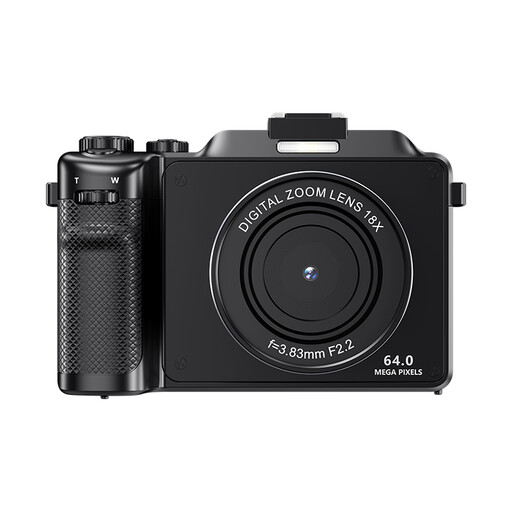
Why This Fits Their Persona: This is a great first step for a teenager or beginner looking for a cheap vlogging camera for beginners. It provides the dedicated vlogging form factor with a flip screen and 4K video capability, offering a more intentional recording experience than a smartphone without a significant financial outlay.
While it lacks a microphone input, its primary benefit is providing a user-friendly, all-in-one package with a flip screen and autofocus at an accessible price, making it a tangible upgrade from fumbling with a phone.
Features autofocus and a built-in flash, which are useful additions for beginners. The compact, lightweight design makes it easy to carry and use anywhere.
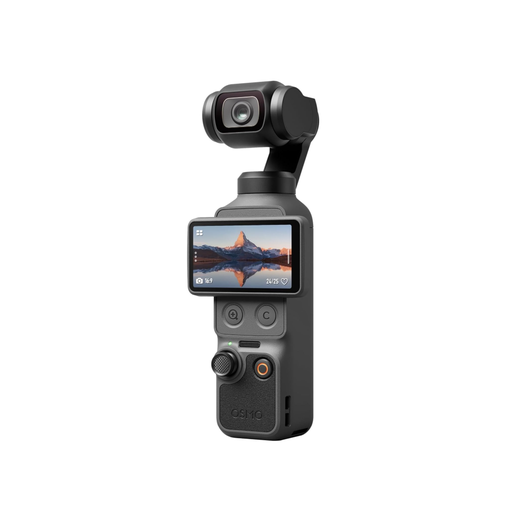
Why This Fits Their Persona: For the creator who is always on the move, this is a game-changer. Whether you're creating a travel diary in Edinburgh or capturing a bike ride through the countryside, its tiny size and powerful mechanical gimbal deliver incredibly smooth footage that no other camera this small can match.
It completely obliterates the "anti-shake" trap by using a 3-axis mechanical gimbal. Its large 1-inch sensor also ensures the 4K video quality is excellent, avoiding the small-sensor pitfall common in other ultra-compact devices.
Unbeatable mechanical stabilisation in a truly pocketable form factor. The rotatable screen and intelligent tracking features make it incredibly versatile for solo creators on the go.
We have compiled a complete, real-time list of products that fully satisfy these strict selection criteria and UK safety regulations.
Not necessarily. High-quality 1080p footage with good lighting, clear audio and stable shots will always look better than poorly executed 4K. However, shooting in 4K gives you more flexibility in editing, allowing you to crop, reframe or create digital zooms without losing quality. It's a great way to future-proof your content, but it shouldn't be the only factor you consider.
A sensible starting budget is typically between ?100 and ?300. In this range, you can find cameras that offer a noticeable improvement over a smartphone, usually including key features like a flip screen, better low-light performance and more manual control. Below this price point, the quality difference may not be significant enough to justify the purchase.
Yes, an action camera for vlogging is an excellent choice, especially for travel, sports or adventure content. Their main strengths are durability, waterproofing and advanced image stabilisation. The main trade-offs are that their ultra-wide lenses can create a "fisheye" distortion on faces when held close, and you may need a special adapter to connect an external microphone, which can be less convenient than a built-in jack.