
24/7 Customer Support

Free returns

Same-day & Next-day Delivery

Quality Guaranteed

Unlock Your Welcome Offers: FREE Delivery | Up to 80% OFF | Free 30-day JoyPlus trial
Download the APP
Choosing the right vlogging camera can feel like a daunting task. Whether you're an aspiring creator ready to launch your first YouTube channel or an established vlogger looking for a more portable video camera, the market is filled with options. The key is to find a device that matches your specific content style, budget and technical needs.
This guide is designed to cut through the clutter. We will walk you through the essential features to consider when making your choice and present a few recommendations that cater to different types of creators. Our goal is to provide practical, objective information to help you find the right tool to bring your ideas to life.
Before diving into specific models, it's helpful to understand the core features that make a great camera for vlogging. Focusing on these three areas will help you narrow down your options.
While 4K vlogging camera is a common search term, it's important to know what it means for your content. 4K resolution (3840 x 2160 pixels) delivers a crisp, detailed image that looks professional on modern screens. It also gives you the flexibility to crop or zoom into your footage during editing without a significant loss in quality. Equally important is the frame rate, measured in frames per second (fps). A standard 24-30fps is fine for most static shots, but 60fps or 120fps will produce much smoother results for action sequences or allow for high-quality slow-motion effects.
Shaky footage is one of the quickest ways to lose a viewer's attention. A camera with image stabilisation is essential for any vlogger who plans to film while walking or moving. There are two main types:
Your camera should be an extension of your creative process, not a burden. A compact video camera or a small camera for vlogging is often the most practical choice. Consider the weight, size and ergonomics. Will you be holding it at arm's length for long periods? Do you need it to fit into a pocket or a small bag? A lightweight and portable video camera ensures you're more likely to carry it with you and capture spontaneous moments.
Based on features that cater to a range of creators, here are some of our recommendations.
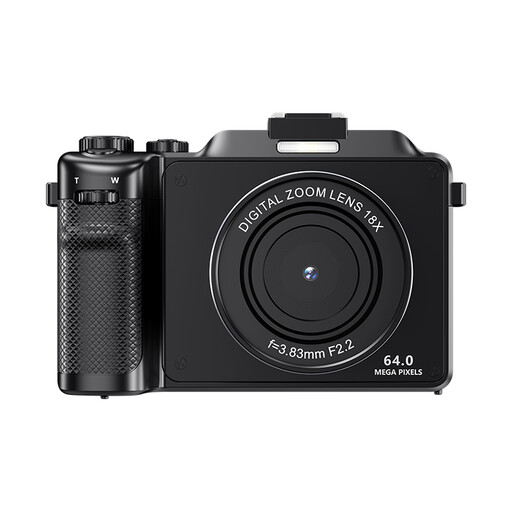
Why It Stands Out The Komery X9 is a straightforward and accessible option that packs a surprising number of features for its price point. It combines high-resolution video and photo capabilities in a traditional digital camera body, making it a solid starting point for new creators.
Pros
Who is it for? This is an excellent vlogging camera for beginners or teenagers looking for a capable yet affordable vlogging camera. Its ease of use makes it a great first camera for YouTube content without requiring a deep understanding of manual camera settings.
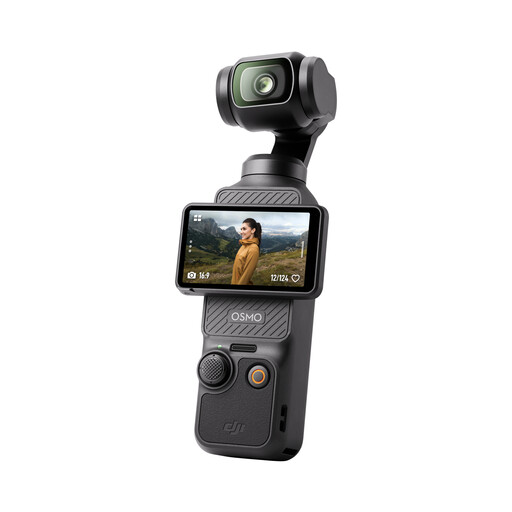
Why It Stands Out The DJI Osmo Pocket 3 is a leader in portable stabilisation technology. Its standout feature is the integrated 3-axis mechanical gimbal, which delivers incredibly smooth footage that electronic systems struggle to match. Combined with a large sensor and intelligent features, it's a powerful tool in a tiny package.
Pros
Who is it for? This is an ideal choice for travel vloggers, action-oriented creators and anyone who prioritises smooth, professional-looking footage on the go. Its pocket-sized form factor makes it an exceptional small camera for vlogging.
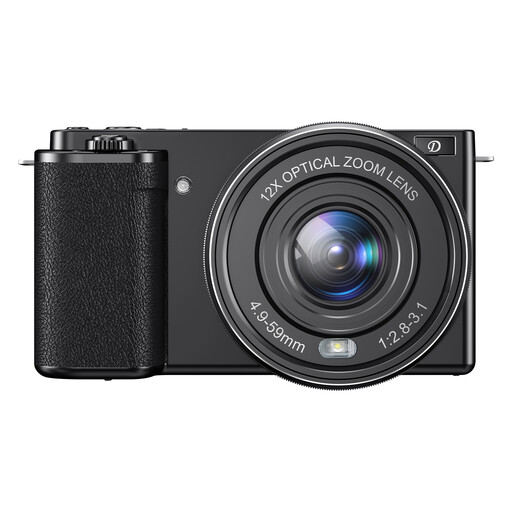
Why It Stands Out The Komery W6 distinguishes itself with a feature not commonly found in compact vlogging cameras: a powerful 12X optical zoom. This allows you to get closer to your subject without sacrificing image quality, offering a level of creative flexibility that digital zoom cannot provide.
Pros
Who is it for? This camera is well-suited for creators who film a diverse range of content. If your vlogs involve travel, events or even wildlife, where you can't always be close to the action, the optical zoom provides a significant advantage.
These recommendations cover a range of needs, but every creator's workflow is unique. If you're looking for different features or want to compare a wider selection of models, you can browse our full range of digital cameras for photography.
1. Do I need a 4K vlogging camera to start on YouTube? While not essential, a 4K vlogging camera is highly recommended. It provides a higher quality viewing experience and future-proofs your content. It also offers practical benefits in editing, such as the ability to crop your shot without dropping below high-definition quality. However, good audio and lighting are just as crucial for a professional-looking video.
2. What is more important: optical or digital zoom? Optical zoom is significantly better. It uses the camera's physical lens elements to magnify a scene, preserving image quality. Digital zoom simply enlarges the pixels from a portion of the sensor, which results in a blurry and lower-resolution image. For clear shots of distant subjects, always prioritise optical zoom.
3. Can I just use my smartphone for vlogging? Yes, modern smartphones are a great way to start vlogging. However, a dedicated vlogging camera typically offers key advantages, including superior image stabilisation, larger sensors for better low-light performance, versatile optical zoom lenses and better options for connecting external microphones. These features can substantially elevate the production quality of your videos.