
24/7 Customer Support

Free returns

Same-day & Next-day Delivery

Quality Guaranteed

Unlock Your Welcome Offers: FREE Delivery | Up to 80% OFF | Free 30-day JoyPlus trial
Download the APP
Choosing a vlogging camera can feel overwhelming. With so many models on the market, each promising professional results, it’s difficult to know where to invest your money. Whether you're an aspiring content creator launching your first YouTube channel or an established vlogger looking to upgrade your gear, the right camera is fundamental to producing high-quality content that engages your audience.
This guide is designed to cut through the marketing clutter. We'll focus on the key features that truly matter for vlogging in the UK, from capturing steady footage on a walk through London to recording crisp audio in a busy café. We will then present some of our top recommendations to help you find a camera that fits your creative style and budget.
Before diving into specific models, let's outline the essential features that separate a good vlogging camera from a great one.
For any vlogger who films on the move, a camera with good stabilisation is non-negotiable. Shaky footage can be distracting and appear unprofessional. Modern cameras offer two main types:
A vlogging camera 4k resolution is now the industry standard for creating sharp, detailed camera for youtube videos. Recording in 4K not only makes your content look more professional on modern displays but also gives you the flexibility to crop or zoom in during editing without a significant loss in quality. Also, consider frame rates. While 24-30fps (frames per second) is fine for standard talking-head shots, 60fps or 120fps allows you to create smooth, cinematic slow-motion sequences.
A heavy, bulky camera is impractical for most vloggers, especially for 4k camera for travel vlogging. A lightweight and compact video camera is easier to handle for extended periods and pack for trips. Equally important is audio. While many cameras have improved built-in microphones, the ability to connect an external microphone is a significant advantage for capturing clear, professional-sounding audio and reducing background noise.
Here are a few standout options that cater to different types of content creators, from action-adventurers to studio-based vloggers.
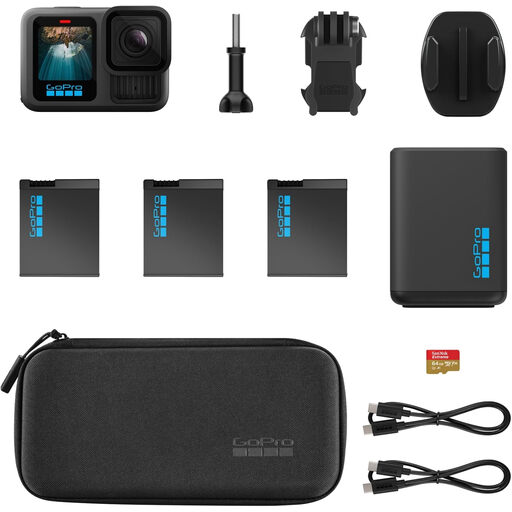
Why It Stands Out: The GoPro HERO13 is built for durability and performance in any environment. This bundle is particularly suited for serious creators, as it includes three Enduro batteries and multiple charging solutions to ensure you never run out of power during a long day of shooting. Its advanced stabilisation and high-resolution video make it a powerhouse for dynamic content.
Pros:
Who is it for? This is an excellent choice for adventure and travel vloggers, sports enthusiasts or any best vlogging camera UK user who needs a tough, reliable camera that can handle the elements and shoot for extended periods.

Why It Stands Out: The Sony ZV-E10 II offers the creative flexibility of an interchangeable lens system in a body designed specifically for vloggers. Its large 26.0 MP Exmor R CMOS sensor and BIONZ XR processor deliver outstanding image quality, especially in low light. Creator-focused features like the Product Showcase Mode and one-touch Background Defocus make it simple to achieve professional-looking results.
Pros:
Who is it for? Ideal for content creators who want to elevate their production quality with cinematic visuals. It's a great hybrid camera for those who shoot both video and stills and want more creative control than a fixed-lens camera can offer.
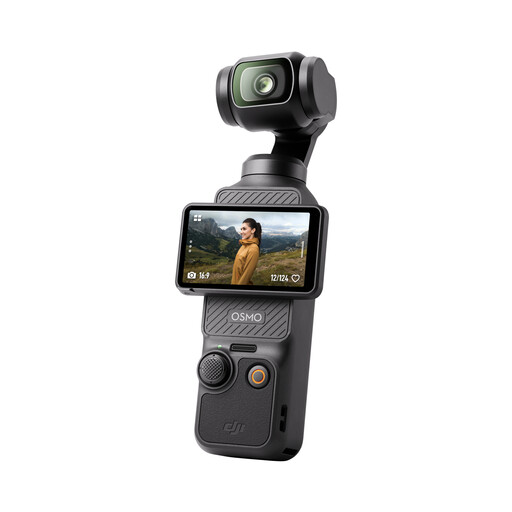
Why It Stands Out: The DJI Osmo Pocket 3 combines a high-quality camera and a 3-axis mechanical gimbal into an incredibly small package. Its standout feature is its ability to produce perfectly smooth, stabilised footage effortlessly. The large, rotatable 2-inch touchscreen and advanced ActiveTrack 6.0 subject tracking make it exceptionally easy for solo creators to frame shots and stay in focus.
Pros:
Who is it for? Perfect for solo vloggers, travel creators and anyone who prioritises portability and smooth, stabilised footage without the hassle of a separate gimbal.
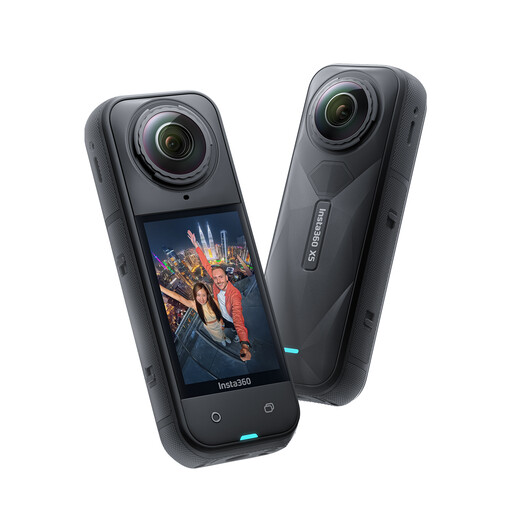
Why It Stands Out: The Insta360 X5 redefines creative freedom with its ability to capture everything in 8K 360° video. This "shoot first, reframe later" approach means you never have to worry about missing the perfect shot. You can simply record your surroundings and then choose your camera angles in post-production. Combined with its FlowState Stabilisation, it delivers smooth, dynamic footage with ease.
Pros:
Who is it for? This camera is for the creative vlogger who loves to experiment with unique angles and dynamic edits. It's particularly well-suited for action sports, travel vlogs and any scenario where you want to capture the entire scene.
While these cameras represent some of the most compelling choices for 2026, the world of vlogging gear is vast. If you're still exploring or have different requirements, you can browse our full range of cameras to find the perfect fit for your needs.
Explore our complete collection of digital camera models to find your next creative tool.
What makes a camera good for vlogging? A good vlogging camera excels in a few key areas: excellent image stabilisation for smooth footage, high-quality video resolution (4K is standard), clear audio capture (with an option for an external mic), a flip-out or front-facing screen for easy framing and a compact, lightweight design for portability.
Do I need a 4K camera for YouTube videos in 2026? Yes, a 4K camera is highly recommended. It has become the standard for professional-looking content on platforms like YouTube. It not only provides a sharper, more detailed image for viewers but also gives you more flexibility in post-production, allowing you to crop, reframe or apply digital stabilisation without a noticeable drop in quality.
Is a compact video camera better than a smartphone for vlogging? While modern smartphones are incredibly capable, a dedicated camera generally offers significant advantages. These include larger sensors for better image quality and low-light performance, superior optical and mechanical stabilisation, more advanced manual controls and much better audio capabilities, especially with external microphones. For anyone serious about content creation, a dedicated camera is a worthwhile step up.