
24/7 Customer Support

Free returns

Same-day & Next-day Delivery

Quality Guaranteed

Unlock Your Welcome Offers: FREE Delivery | Up to 80% OFF | Free 30-day JoyPlus trial
Download the APP
Starting a vlog or a YouTube channel is an exciting venture. You have stories to tell and a unique perspective to share. But navigating the crowded market for a vlogging camera can be overwhelming. It's easy to fall for marketing hype and end up with a device that doesn't meet your needs. Before you make a decision, it's crucial to understand the common pitfalls that many aspiring creators in the UK encounter.
As the Joybuy Product Recommendation Officer, my role is to help you see past the flashy adverts and focus on what truly matters. Let's look at the key traps to avoid.
Many cameras look great on paper but fail in practice. Here are three common issues that can lead to buyer's remorse:
To avoid these traps, focus on the technical specifications that directly impact your final video. Here’s what to look for when choosing a 4K camera for YouTube or any other platform.
Instead of just looking for "4K," consider the sensor. A larger sensor captures more light, which leads to better performance in dim environments (like a typical British evening), less visual noise and the ability to create that professional-looking blurred background (bokeh). A 1-inch sensor is a great starting point for serious vloggers, while an APS-C sensor offers even higher quality. This is a more reliable indicator of performance than megapixels alone.
For any vlogger, a camera with a flip screen is non-negotiable. It allows you to frame your shot perfectly while talking to the camera. Equally important is the autofocus system. Look for cameras with fast, reliable face and eye-tracking autofocus. This ensures you remain the sharp point of focus, even as you move around the frame, preventing the frustrating "focus hunting" that can ruin a take.
A great camera for beginners and pros alike should be practical. Check for two key ports: a 3.5mm microphone input to connect an external microphone for clear audio and a modern USB-C port for convenient charging and data transfer. Being able to charge your camera with the same cable as your phone or laptop is a huge convenience, especially for a travel camera.
Based on these practical criteria, we've matched several cameras to different types of creators. These recommendations focus on models that deliver on their promises and help you avoid the common pitfalls.
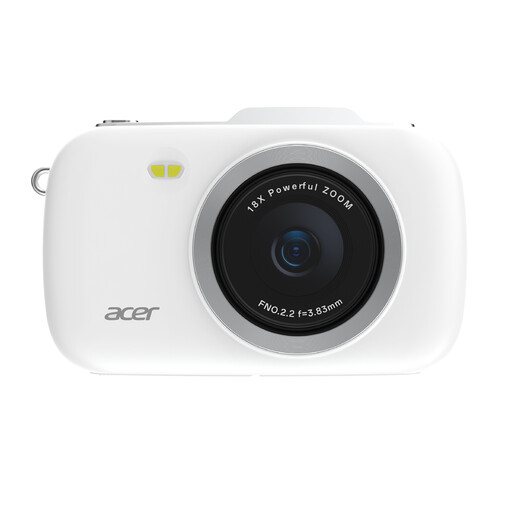
Why This Fits Their Persona: This is a straightforward point and shoot camera for those dipping their toes into content creation. It's an accessible option for students, teenagers or anyone on a tight budget who wants to start creating without a significant financial commitment.
It avoids the trap of over-investing early on. While it relies on a smaller sensor and digital zoom, its low price point makes it a practical tool for learning the basics of framing and editing before upgrading.
Its primary advantage is its simplicity and affordability. It offers 4K video capabilities in a very compact, user-friendly package, making it a solid camera for beginners.
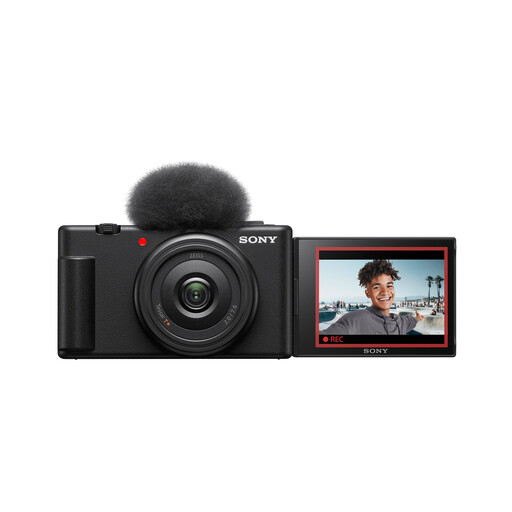
Why This Fits Their Persona: This camera is purpose-built for vloggers. It's for the creator who is ready to prioritise quality and wants features that streamline their workflow, like product reviews or sit-down talks.
It directly counters the audio and sensor traps. It features a large 1-inch sensor for excellent image quality and a directional microphone with a wind screen to solve the audio problem straight out of the box.
Its vlogger-centric features are the main draw. The "Product Showcase" mode for quick focus shifts and the ultra-wide 20mm lens for selfie shooting make it an incredibly efficient tool for content creation.
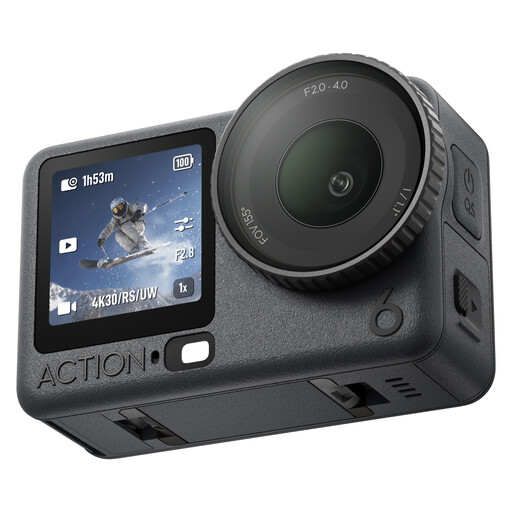
Why This Fits Their Persona: This is for the creator on the move. Whether you're hiking in the Peak District, cycling in London or surfing in Cornwall, you need a tough, compact and waterproof camera that delivers exceptionally smooth footage.
It completely demolishes the "stabilisation illusion." Action cameras like this offer class-leading electronic stabilisation that produces gimbal-like smoothness, which is essential for high-octane activities.
Its ruggedness and waterproofing (up to 20m without a case) are its core strengths. The large 1/1.1-inch sensor also provides impressive image quality for an action camera, making it a versatile travel camera.
We have compiled a complete, real-time list of products that fully satisfy these strict selection criteria and UK safety regulations.
While 4K is becoming standard, it's not essential when you're just starting. A high-quality 1080p video with excellent audio and good lighting will always be better than a poorly lit, shaky 4K video with bad sound. Focus on the core quality factors first. Many excellent cameras offer superb 1080p, which is more than enough for most viewers watching on phones or laptops.
You can get started with a basic compact digital camera for under ?100, which is great for learning. However, for a noticeable step up in quality (better sensor, audio options and stabilisation), a budget of ?300 to ?600 will open up a wide range of purpose-built vlogging cameras that offer a much better long-term value.
This depends on your vlogging style. If you primarily shoot "walk-and-talk" style videos outdoors, effective image stabilisation is critical to avoid making your viewers feel seasick. If you mostly film sit-down videos indoors, you can manage without advanced stabilisation, but clear audio is absolutely paramount. Ideally, a good vlogging camera should offer both, but if you have to choose, most experienced creators would agree that audiences are more forgiving of slightly shaky video than they are of poor, inaudible sound.