
24/7 Customer Support

Free returns

Same-day & Next-day Delivery

Quality Guaranteed

Unlock Your Welcome Offers: FREE Delivery | Up to 80% OFF | Free 30-day JoyPlus trial
Download the APP
Choosing among compact cameras, action cameras and mirrorless models can be difficult when product listings highlight impressive megapixel counts and headline video resolutions. For UK vloggers, travellers and beginner photographers, the more useful question is whether a camera suits the way you actually record, edit and share content.
A camera that looks impressive on paper may still produce shaky walking footage, poor sound in windy weather or unusable files when storage fills up. The following guide explains the practical details to check before buying, followed by product recommendations matched to different types of user.
A listing may advertise 4K, 5K or even 8K recording, but resolution is only one part of the result. Sensor size, lens quality, lighting and stabilisation all affect the finished video. A small camera with a large sensor may handle contrast and dim indoor scenes differently from an affordable digital camera with a high advertised pixel count.
Also check the frame rate. For example, 4K/240fps may be available only in slow-motion mode rather than standard recording. This distinction matters if you need normal 4K footage for a camera for YouTube.
Electronic image stabilisation, or EIS, can reduce visible movement by cropping or adjusting the image. It can be useful for cycling, walking and casual outdoor filming, but it may reduce the field of view.
A pocket gimbal camera uses mechanical movement to keep the lens steady. This can provide a different style of smoothness, particularly when walking or filming yourself. Neither system is automatically suitable for every user, so consider whether you need a camera with image stabilisation for handheld vlogging or a robust action camera for fast movement.
Clear speech is often more important than an extra resolution setting. Check whether the camera has a built-in microphone, an external microphone connection or compatibility with wireless transmitters.
Storage is another common hidden cost. High-resolution video uses more space, and some models require a separately purchased MicroSD card. Finally, never assume a compact camera is waterproof. A product must be specifically rated for water exposure, and protective cases should be properly closed before underwater use.
A 1-inch CMOS sensor can offer more flexibility in changing light than many smaller sensors, although performance also depends on the lens and software. Wide-angle lenses are useful for self-recording and travel scenes, while optical zoom is preferable to digital zoom for distant subjects.
For example, the Osmo Pocket 4P Vlog Combo has a 20mm f/2.0 wide-angle lens, while several beginner-focused digital cameras offer optical zoom or digital zoom combinations. Digital zoom can make movement more noticeable and may reduce detail.
For most social media and YouTube use, 4K provides room for cropping and detailed footage. Check the exact recording modes rather than relying only on the headline figure:
A beginner camera with straightforward 4K recording can be easier to manage than a more advanced model with demanding file sizes and colour profiles.
Look for 3-axis mechanical stabilisation, EIS or both, depending on your filming style. Battery claims usually depend on resolution, temperature, screen use and stabilisation settings, so treat stated recording times as a guide rather than a guaranteed result.
Wi-Fi or Bluetooth can simplify transfers to a phone. If you plan to livestream or record interviews, also check microphone compatibility, USB connectivity and whether the screen rotates or flips towards you.
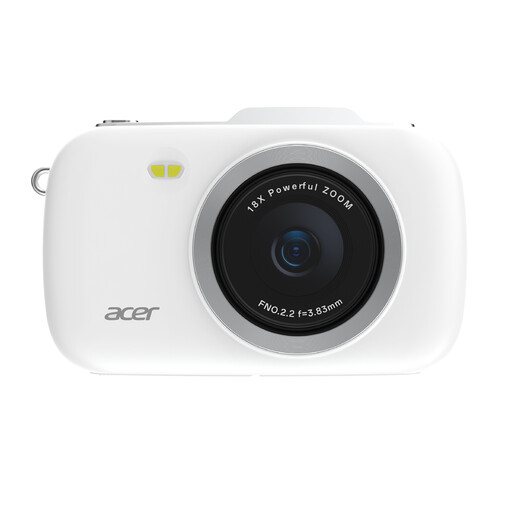
Why This Fits Their Persona: A portable option for students, families and first-time creators who want photography and video modes in a simple point-and-shoot format.
Its listing specifies 4K recording and gives clear instructions about using a MicroSD card, charging and digital zoom limitations.
4K video, 80MP stated image resolution, 18X digital zoom and USB-C transfer in a compact body.
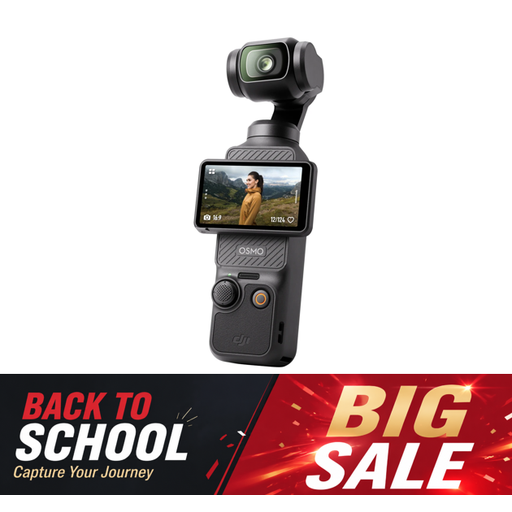
Why This Fits Their Persona: Suitable for creators who prioritise smooth handheld footage, self-framing and flexible video controls without carrying a larger camera body.
The product description separates its 4K/120fps mode from standard use and identifies its 3-axis mechanical stabilisation rather than relying only on a resolution claim.
1-inch CMOS sensor, 4K/120fps video, rotatable 2-inch touchscreen, face/object tracking and support for DJI microphone transmitters.
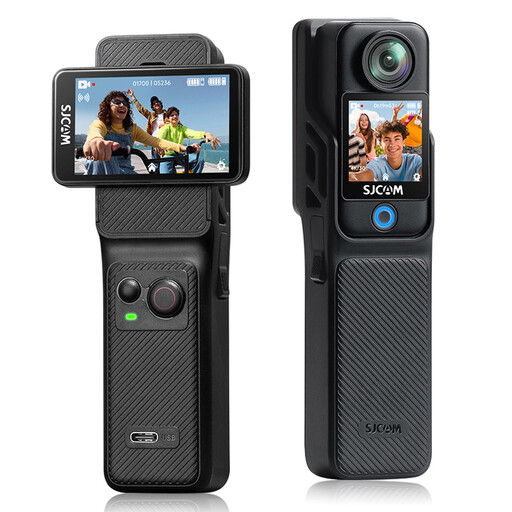
Why This Fits Their Persona: Designed for cycling, hiking, fishing and water-based trips where a small, mountable and weather-ready camera is more practical than a mirrorless system.
Its specification identifies 6-axis gyro stabilisation, a 30-metre waterproof case rating and the need to secure the case before underwater use.
4K/30fps recording, 2K/60fps, dual touchscreens, 5GHz Wi-Fi, 64GB card gift and stated recording time of up to 437 minutes with the handle and auxiliary battery.

Why This Fits Their Persona: A practical route for photographers and creators who want interchangeable lenses, advanced autofocus and a camera that can support more varied shooting styles.
The listing provides concrete details about the 26MP sensor, 4K recording modes, autofocus points and supplied 16–50mm lens rather than focusing only on pixel count.
AI-powered autofocus, 4K recording up to 120p, Active stabilisation, a rotating touchscreen and compatibility with interchangeable lenses.
We have compiled a complete, real-time list of products that fully satisfy these strict selection criteria and UK safety regulations.
Yes, but the appropriate model depends on how much control you want. A compact digital camera can be easier for basic photos and videos, while a pocket gimbal camera simplifies handheld movement. Mirrorless cameras provide more control but require learning about lenses, exposure and storage.
Cost depends on whether you need 4K, mechanical stabilisation, interchangeable lenses, waterproofing or advanced audio. Prioritise the features that affect your regular recordings rather than paying for a high resolution you may not use. Remember to budget for a memory card, spare battery, tripod and microphone if required.
Lifespan depends on charging habits, storage conditions, physical impact and exposure to moisture or heat. Keep batteries and cameras in a cool, dry place, use compatible chargers and protect lenses and ports. Action cameras should also be rinsed with fresh water after saltwater use when the instructions require it.