
24/7 Customer Support

Free returns

Same-day & Next-day Delivery

Quality Guaranteed

Unlock Your Welcome Offers: FREE Delivery | Up to 80% OFF | Free 30-day JoyPlus trial
Download the APP
Fine, thin or flat hair often needs conditioning, but a rich formula can leave it looking limp within hours. The right volumising hair conditioner should make strands easier to detangle and smoother to touch without creating a heavy coating. It also needs to match your hair’s condition: a conditioner for fine hair is not always suitable for dry, damaged or colour-treated lengths.
Joybuy Product Recommendation Officer’s guide focuses on the practical details behind product claims, helping UK shoppers compare formulas before buying.
Words such as “fuller”, “thicker” and “volume boost” can describe the immediate look or feel created by conditioning agents, proteins, starches or polymers. They do not necessarily mean that each strand has permanently become thicker.
For example, a product may make hair feel more substantial after use, while another may prioritise root lift and lightness. Check whether the description refers to visible appearance, hair feel or a longer-term strengthening routine. These are different outcomes.
Heavy oils, butters and multiple silicone ingredients can improve slip and shine, but may flatten fine hair when over-applied. This is not automatically a flaw: thicker, coarse or dry hair may need richer conditioning.
If your roots become oily quickly, look for a lightweight conditioner and apply it from the mid-lengths to the ends. Avoid judging a formula solely by its creamy texture. A thinner-looking conditioner may still provide useful detangling and hydration.
A hair strengthening conditioner can help hair feel smoother and more resilient against everyday brushing and styling. However, cosmetic conditioning does not establish the cause of hair shedding or thinning. Claims about hair loss should be read carefully, particularly where a brand’s own study or consumer survey is referenced.
For a sudden or persistent change in hair density, seek appropriate advice from a GP or qualified healthcare professional rather than relying on a cosmetic product.
For a volumising conditioner for fine hair, look for descriptions such as lightweight, non-greasy, silicone-free or suitable for fine and flat hair. These terms describe product positioning, but the result still depends on your hair texture and the amount used.
Apply conditioner to wet, squeezed-out hair rather than soaking-wet lengths. Start with a small amount, spread it through the mid-lengths and ends, leave it for the stated time, then rinse thoroughly. Applying conditioner directly to the scalp can make fine hair appear flatter, unless the product is specifically designed for scalp use.
Ingredient lists can help you understand a formula’s purpose:
If you prefer a silicone-free conditioner, inspect the current packaging carefully. Silicone names may include “dimethicone”, “amodimethicone” or related ingredients. Silicone-containing formulas are not inherently unsuitable; they can provide smoothness and reduce friction, particularly on dry or damaged hair.
A 500ml bottle may suit someone who conditions daily or has long hair, while a 150ml or 200ml bottle can be more practical for occasional use or trying a new formula. Compare the net content alongside the recommended application amount rather than assuming the largest bottle offers better value.
Colour-treated hair may benefit from a colour-treated hair conditioner that prioritises smoothness and manageable lengths. Dry or damaged hair generally needs more nourishment than very fine hair, so you may need to balance softness against volume.
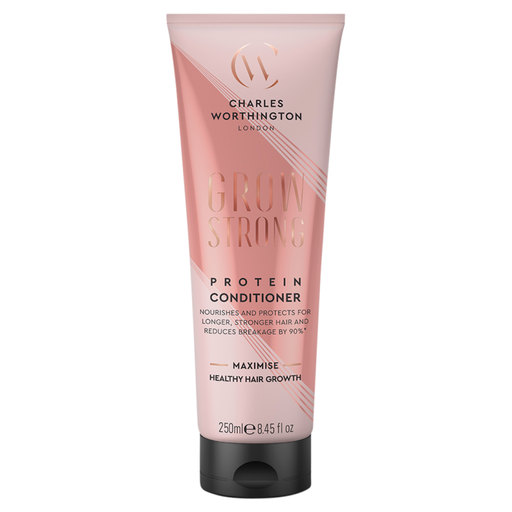
Why This Fits Their Persona: A practical 250ml option for shoppers beginning a strengthening-focused routine, including those with weak, dull or hard-to-manage lengths.
Its listed formula identifies hydrolysed vegetable proteins and gives clear mid-length-to-end application guidance, helping shoppers distinguish conditioning from scalp treatment.
Protein-enriched formula; includes sunflower seed oil, glycerin and conditioning agents for softness and easier combing.
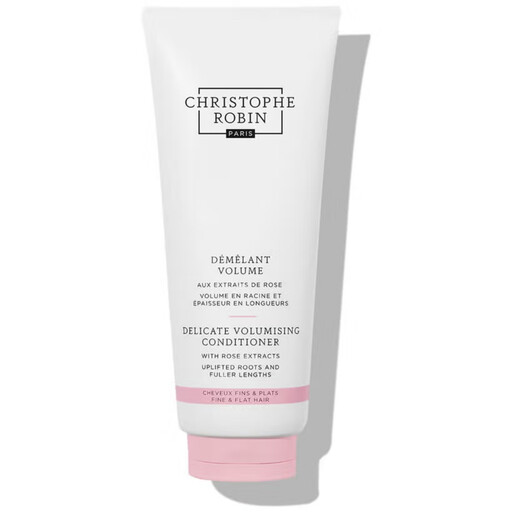
Why This Fits Their Persona: Suits shoppers who want a refined, lightweight texture for fine, thin or flat hair while retaining softness and movement.
The product is positioned around detangling and light nourishment rather than promising permanent density, making its intended result clearer.
200ml size; rose extracts, glycerin and conditioning agents in a formula listed as containing 97% natural-origin ingredients.
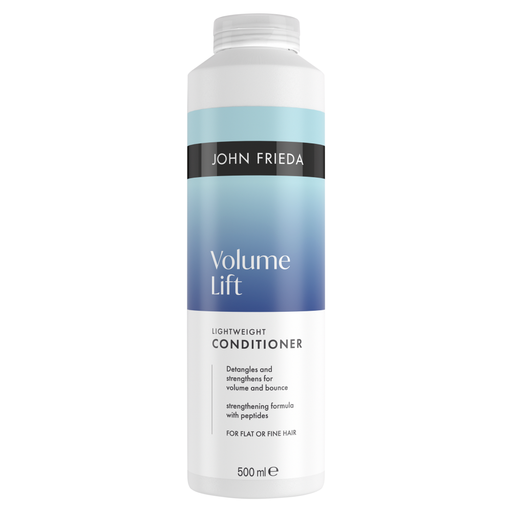
Why This Fits Their Persona: The larger 500ml format is suited to regular washing, longer hair or households sharing a lightweight conditioner.
It is clearly described as a conditioner for fine hair with lightweight hydration, rather than a rich repair treatment likely to feel heavy on delicate strands.
500ml capacity; vegan and silicone-free formula with hydrolysed corn starch, vegetable protein and rice bran protein.
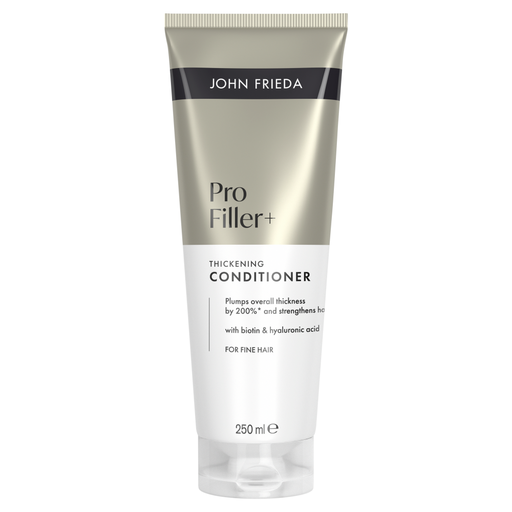
Why This Fits Their Persona: A focused choice for shoppers comparing a thickening conditioner with biotin, hydration and a silicone-free format for fine, fragile-feeling hair.
The listed ingredients make the formula’s focus transparent: biotin, hyaluronic acid and conditioning agents, with the “thicker” description referring to hair feel and appearance.
250ml format; vegan and silicone-free; contains biotin and hyaluronic acid and is listed as 97% naturally derived.
We have compiled a complete, real-time list of products that fully satisfy these strict selection criteria and UK safety regulations.
For dry and damaged hair, alternate a lightweight volumising conditioner with a more nourishing treatment if the lengths need additional softness. If you have colour-treated hair, check the label for suitability and follow the brand’s care instructions.
Yes, many formulas are made specifically for fine or thin hair. Choose a lightweight conditioner and apply it mainly to the lengths and ends. “Volumising” generally refers to the appearance, body or movement of the hair rather than a permanent increase in strand count or density.
It depends on hair length, washing frequency and application amount. A 250ml bottle may suit occasional or individual use, while a 500ml bottle is more practical for frequent washing or longer hair. Keeping the cap closed and storing the product in a cool, dry place can help maintain its condition. Always follow the packaging guidance for use after opening.
You can, but the finish may differ from a silicone-containing formula. Silicone-free products may suit shoppers who prefer that format, while formulas containing ingredients such as dimethicone can provide slip, shine and easier detangling. Compare the full ingredient list and select according to your hair’s texture, porosity and styling routine.