
24/7 Customer Support

Free returns

Same-day & Next-day Delivery

Quality Guaranteed

Unlock Your Welcome Offers: FREE Delivery | Up to 80% OFF | Free 30-day JoyPlus trial
Download the APP
Fine, flat or thinning hair can lose its lift quickly, particularly after frequent washing, hard-water exposure, heat styling or heavy conditioning. Choosing a volumising shampoo for fine hair is not simply a matter of selecting the bottle with the largest “volume” claim. The formula, cleansing strength and your specific hair concerns all affect whether your hair feels airy or weighed down.
This guide explains the practical details to check before buying, followed by product recommendations matched to different UK shopping needs.
A volumising shampoo can remove excess oil, reduce residue and leave strands feeling lighter. This may create more visible body after washing, but it does not permanently increase the number of hair follicles or change natural hair density.
Terms such as “thickening”, “fuller-looking” and “plumping” often describe the appearance or feel of hair after use. Read them as cosmetic benefits rather than guarantees of lasting growth.
A silicone-free shampoo may suit people who dislike a coated or weighed-down feel. However, silicone-free does not automatically mean sulphate-free, fragrance-free or suitable for every scalp.
For example, some silicone-free formulas still contain stronger cleansing agents. Check the ingredient list if your hair is bleached, dry or prone to tangling. Conversely, a shampoo containing conditioning silicones may be useful for reducing friction on damaged lengths, even if it is less suitable for very flat roots.
Fine hair can become limp when exposed to rich oils, heavy conditioners or excessive protein. A shampoo for fuller-looking hair should clean the scalp effectively without leaving a dense residue.
If your roots become oily quickly, prioritise a lightweight cleansing formula. If your lengths are dry or breaking, a strengthening shampoo may be more appropriate than a purely lifting formula. The right choice is often a compromise between root volume and length protection.
Look at the first several ingredients rather than relying only on front-label wording. Common cleansing ingredients include Sodium Laureth Sulfate, Sodium Lauryl Sulfate, betaine-based surfactants and alternative sulphate-free cleansing agents.
If your hair looks greasy by the following day, a hair volume shampoo with effective scalp cleansing may perform more usefully than a rich moisturising formula.
Ingredients such as dimethicone, amodimethicone, polyquaterniums, oils and fatty alcohols can improve softness and manageability. They may also make fine hair feel less buoyant if applied heavily or used too often.
Those seeking root lift may prefer a lighter formula, while people with fragile, bleached or heat-damaged lengths may benefit from some conditioning support. Apply conditioner mainly from the mid-lengths to the ends rather than directly to the scalp.
Match the product to the problem you are trying to solve:
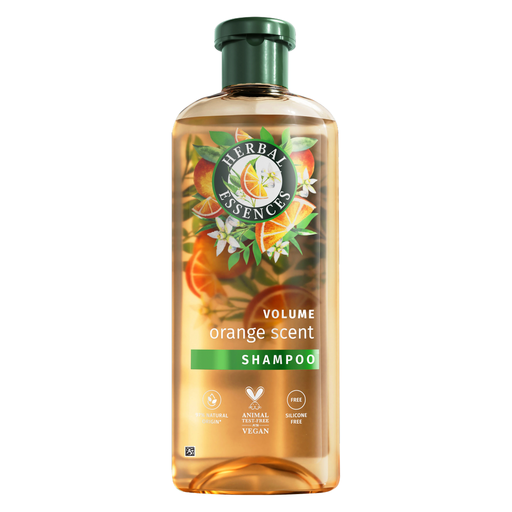
Why This Fits Their Persona: A practical starting point for shoppers wanting a daily volumising shampoo in a manageable 250ml size, with a citrus fragrance and a silicone-free formula.
The product clearly identifies its silicone-free positioning, helping buyers avoid assuming that a volume label alone means a lightweight finish.
250ml content; silicone-free; vegan and described as colour-safe in the supplied product information.
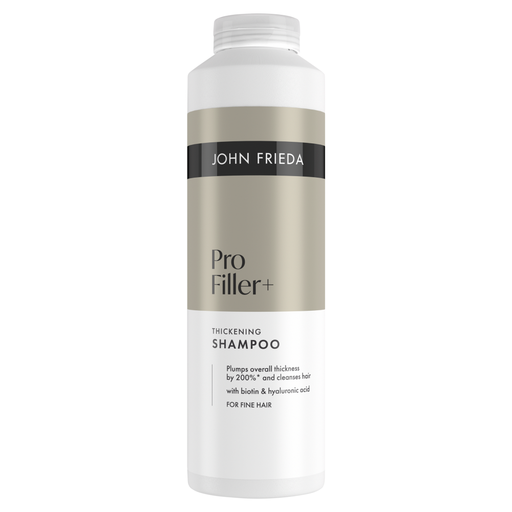
Why This Fits Their Persona: The 500ml format suits regular users who want a larger bottle and a routine focused on fine, thin hair, softness and visible fullness.
Its ingredient list lets shoppers check the formula rather than relying on a “thicker look” message alone. It is listed as vegan, silicone-free and suitable for colour-treated hair.
500ml size; contains biotin and hyaluronic acid; silicone-free and colour-safe according to the supplied details.
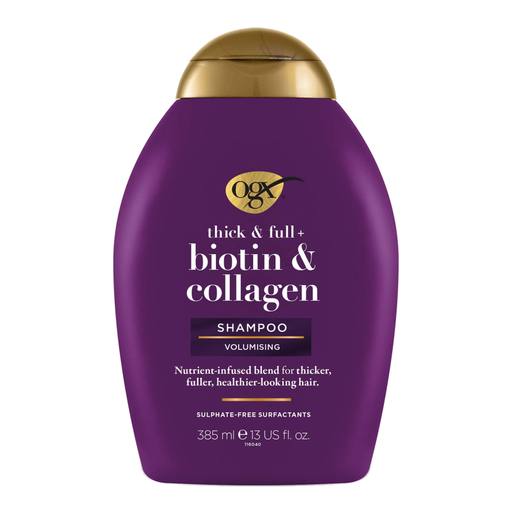
Why This Fits Their Persona: A suitable option for people who want a thickening shampoo with a fuller feel, especially when fine or flat hair also needs a formula without parabens.
The product specifies sulphate-free surfactants and lists its cleansing ingredients, helping shoppers compare the formula with their scalp and dryness needs.
385ml size; contains biotin, collagen and hydrolysed wheat protein; sulphate-free and paraben-free according to the supplied product information.
We have compiled a complete, real-time list of products that fully satisfy these strict selection criteria and UK safety regulations.
Use enough water to fully wet the scalp before applying shampoo. Massage the roots with your fingertips rather than scratching, then allow the lather to pass through the lengths while rinsing. A second wash may help if there is substantial oil or styling residue, but it is not automatically necessary.
Use conditioner sparingly on fine hair. Apply it from around the ears downwards, rinse thoroughly and avoid leaving residue at the roots. Rotating between a lightweight volumising shampoo and a moisturising or strengthening shampoo can be practical when your roots are oily but your ends are dry.
Always follow the packaging directions and check the current ingredient list, warnings, batch information and shelf-life guidance on the bottle. Stop using a product if irritation develops.
It can make thin hair look cleaner, lighter and more lifted after washing. However, shampoo for thin hair cannot guarantee permanent increases in density. Choose according to whether your main concern is oily roots, breakage, dryness or changes in hair shedding.
Frequency depends on your scalp, styling habits and formula. Some lightweight products are positioned for daily use, while dry or sensitive scalps may be more comfortable with less frequent washing. If hair feels rough, tangled or unusually dry, reduce washing frequency or alternate with a gentler formula.
A biotin shampoo may appeal to shoppers looking for a strengthening routine, but shampoo has brief contact with the hair and scalp before rinsing. Look at the complete formula, including cleansing agents and conditioning ingredients, rather than treating one ingredient as a guarantee. For persistent breakage or noticeable hair loss, seek personalised advice from a qualified healthcare professional.