
24/7 Customer Support

Free returns

Same-day & Next-day Delivery

Quality Guaranteed

Unlock Your Welcome Offers: FREE Delivery | Up to 80% OFF | Free 30-day JoyPlus trial
Download the APP
Wafer biscuits can look similar on the shelf, yet the difference between a satisfying snack and a disappointing purchase often comes down to the filling, packaging and allergen information. A large bag may appear good value but go stale before it is finished, while a small speciality pack can cost more per 100g than expected.
This guide from the Joybuy Product Recommendation Officer helps UK shoppers compare wafer biscuits, chocolate wafers, wafer rolls and filled wafer snacks without relying on exaggerated packaging claims.
A 200g bag may offer more food overall, but the practical value depends on how it is packed. Individually wrapped wafers or inner pouches can help preserve crispness and make portions easier to manage. By contrast, an opened bag may need to be resealed promptly and stored in a cool, dry place.
Check both the net weight and the number of portions. A 40g stick pack of wafer rolls is convenient for one person, while a 200g multi-pack may be more suitable for family sharing snacks.
Words such as strawberry, lemon, coconut or matcha describe the flavour profile, not necessarily the quantity of the featured ingredient. For example, some products use flavouring, while others list ingredients such as cocoa powder, coconut milk, matcha powder or fruit powder.
Read the ingredient list and quantitative ingredient declaration where available. This is particularly useful when comparing strawberry wafers, lemon wafers, coconut wafers and Japanese wafer biscuits.
Many traditional wafer biscuits contain wheat, milk or soya. Nut-flavoured varieties may contain peanuts or tree nuts, and products made in shared facilities may carry cross-contamination warnings.
Parents should also distinguish infant rice wafers from ordinary confectionery. Kiddylicious products are labelled for children aged 6 months and over, but the packaging guidance states that children should be seated upright and supervised while eating. Always check the current label before serving.
Decide whether you want thin layered biscuits, chocolate-coated bars or hollow wafer rolls. Multi-layer wafers usually provide a light, crisp bite with a cream filling. Wafer rolls offer a more noticeable crunch and can work well alongside tea, coffee or desserts.
For children, texture is especially important. Kiddylicious Banana Wafers are described as melt-in-the-mouth rice wafers, whereas standard filled wafers are firmer and are not designed as first finger foods.
Look for clearly listed ingredients and bold allergen information. Wheat-based products are unsuitable for people avoiding gluten, while gluten-free wafers require careful label checking rather than assumptions based on appearance.
Schar Gluten Free Vanilla Wafers are listed as free from wheat, but they contain milk and soya and may contain tree nuts. This makes them a possible option for shoppers avoiding wheat, but not for people with milk or soya allergies.
Flavour ingredients can also vary considerably. DEE Coconut Wafer Rolls list coconut milk at 31.44%, while Mayora Astor Matcha Wafer Rolls list matcha tea powder alongside milk and soya ingredients. These details offer a clearer comparison than front-of-pack flavour wording alone.
Wafer biscuits are sweet treats, so compare the nutrition panel rather than assuming that a thinner biscuit is lower in energy or sugar. The supplied product information shows that many filled wafers contain approximately 500–570 kcal per 100g, although values vary by recipe.
For occasional snacking, individually wrapped portions can make serving sizes easier to manage. They are also practical for packed lunches, travel and family sharing, provided the packaging is undamaged and stored as directed.
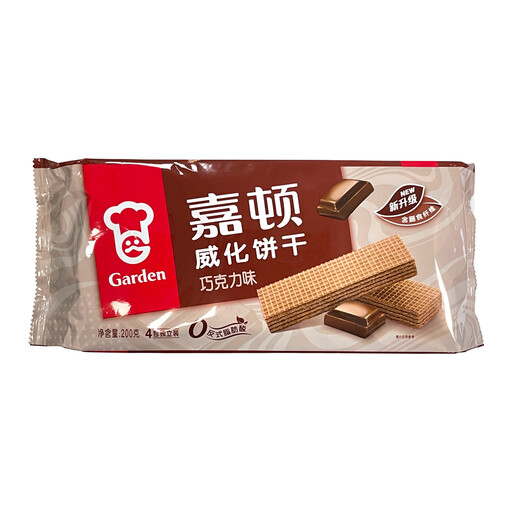
Why This Fits Their Persona: A 200g pack with separate inner packs is practical for households wanting chocolate wafers for lunchboxes, sharing or occasional snacks.
The inner separate packs address the freshness and portioning issue associated with a large opened bag. The label also identifies wheat and soya allergens.
Chocolate flavour with cocoa powder listed at 2%; non-fried, multi-layer wafer sheets; 200g sharing format.
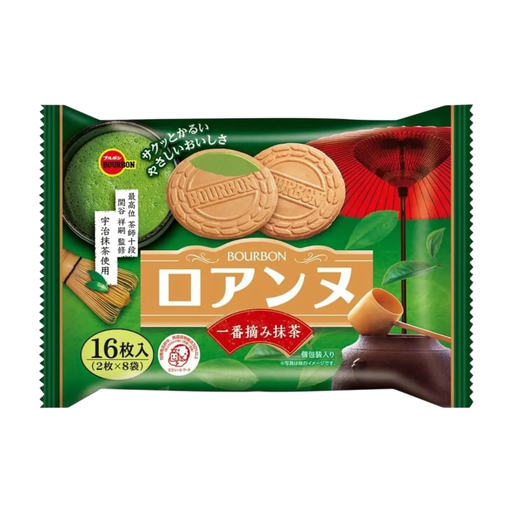
Why This Fits Their Persona: A Japanese wafer biscuit format with individually wrapped pieces suits shoppers seeking a more distinctive flavour and presentation for tea breaks or gifting.
The ingredient list specifies matcha and the pack contains individually wrapped pieces, making the flavour and format easier to verify than vague speciality wording.
134g pack with 16 pieces; per two-piece nutrition information; contains wheat, egg, milk and soya.
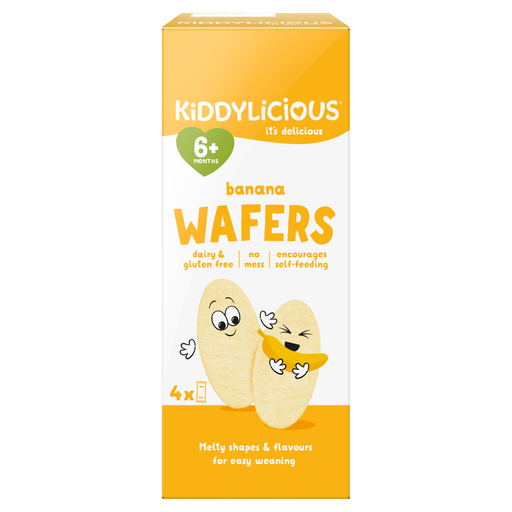
Why This Fits Their Persona: Designed for families introducing finger foods, with four individually portioned sachets suited to days out, changing bags and supervised weaning snacks.
The product is specifically labelled for children aged 6 months and over, rather than being an ordinary wafer presented as suitable for babies. Supervision and upright seating remain essential.
Rice-based wafers with banana flavour; no added salt; listed as free from gluten, dairy, eggs and nuts, subject to the stated production-environment warning.
We have compiled a complete, real-time list of products that fully satisfy these strict selection criteria and UK safety regulations.
Keep them in a cool, dry place away from direct sunlight. Once opened, reseal the package or use an airtight container where the label recommends it. Moisture is a common cause of lost crispness.
Suitability depends on the product and the child’s age. Infant wafers labelled from 6 months are different from standard filled or chocolate wafers. Always follow the pack instructions, check allergens and supervise young children while eating.
Look for a clear gluten-free or wheat-free statement and read the full allergen panel. Do not assume that plain-looking wafers are suitable: many contain wheat flour, and some may be made in environments handling other allergens.