
24/7 Customer Support

Free returns

Same-day & Next-day Delivery

Quality Guaranteed

Unlock Your Welcome Offers: FREE Delivery | Up to 80% OFF | Free 30-day JoyPlus trial
Download the APP
Wafer biscuits are easy to add to a basket, but the wrong pack can disappoint quickly. A flavour may sound appealing yet contain only a small amount of the named ingredient, while a large-looking bag may hold less than expected once individual portions are counted. Texture can also change after opening if the packaging does not protect the wafer layers from moisture.
For UK households, lunchbox buyers, office snackers and party hosts, three common traps are worth checking before purchasing:
Traditional wafer biscuits are made from thin, layered sheets with a cream or flavoured filling. They tend to suit sharing, tea breaks and lunchboxes. Wafer rolls use a hollow cylindrical shell, often with a smooth centre, creating a lighter crunch and a more delicate bite.
For parties or family cupboards, consider whether the product is supplied in individual pouches or wrappers. Individually wrapped wafers are easier to distribute and can help reduce exposure to air after opening. A large shared pouch may offer less packaging but needs to be resealed promptly to preserve crispness.
The named flavour should be checked against the ingredients. For example, the Garden peanut wafers list peanut paste at 5%, while the chocolate version lists cocoa powder at 2%. These figures do not determine whether you will enjoy the product, but they provide useful context when comparing chocolate wafers, peanut wafers and flavoured fillings.
Matcha products vary in format too. Mayora Astor Matcha Wafer Rolls contain matcha tea powder, while Bourbon products specify matcha in their ingredients and use a cream-filled Japanese-style wafer format. Strawberry wafers may include strawberry powder alongside flavouring and colour, so shoppers seeking a fruit-led taste should inspect the label rather than rely on the front of pack.
Most ready-to-eat biscuits in this selection provide energy values per 100g, making comparisons more practical. Several products contain around 480–573 kcal per 100g, with sugar, fat and saturates varying by recipe. These are confectionery snacks rather than substitutes for a balanced meal, so portion size matters.
Check for:
One strawberry wafer listing includes a warning relating to E120 and activity and attention in children. Parents should read the packaging and ingredient information carefully before adding it to a child’s lunchbox.
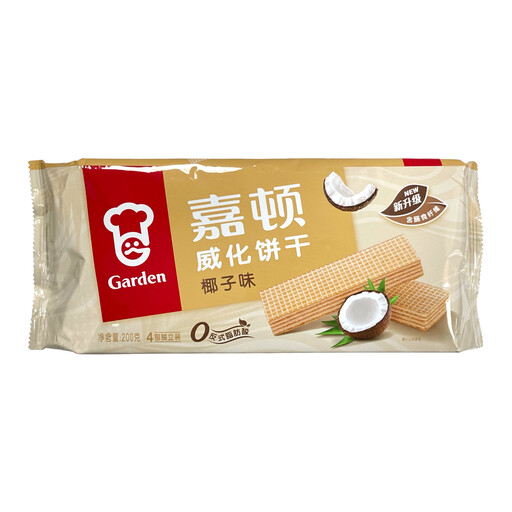
Why This Fits Their Persona: A straightforward 200g option for shoppers building a family snack cupboard or looking for a sweet accompaniment to tea and coffee.
The listed flavour, 200g net quantity and ready-to-eat format make it easier to compare the product with other sharing snacks.
Multi-layer wafer sheets, coconut flavouring and a 200g pack. Contains wheat and soya.
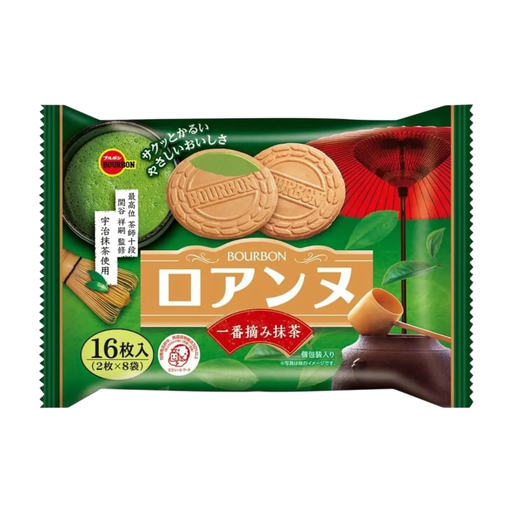
Why This Fits Their Persona: A Japanese-style choice for shoppers who want a more distinctive matcha flavour and individually wrapped pieces for measured serving.
The pack states 16 pieces and identifies matcha in the ingredients, helping avoid vague flavour-only descriptions.
134g pack, individually wrapped wafers and Uji matcha cream filling. Contains wheat, egg, milk and soya.
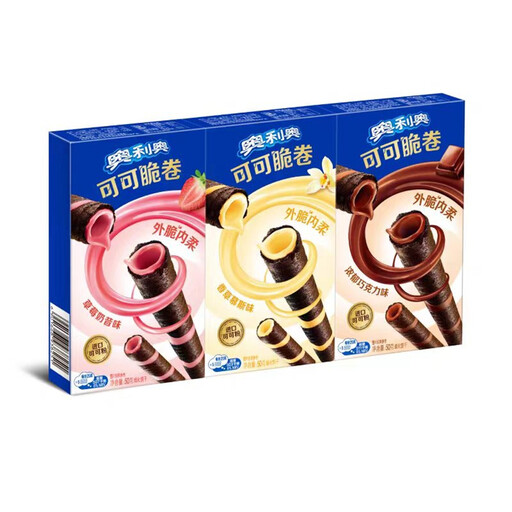
Why This Fits Their Persona: Useful for offices, parties and travel because the multipack combines chocolate, vanilla mousse and strawberry milkshake flavours in separate 50g packs.
The stated 150g total weight and three separate packs clarify how the product is divided for sharing and portioning.
Three individually wrapped 50g wafer-roll packs with three listed flavours. Contains wheat and soya.
We have compiled a complete, real-time list of products that fully satisfy these strict selection criteria and UK safety regulations.
For a classic profile, vanilla wafers and chocolate-filled varieties work well with tea, coffee or milk. Garden Milk Flavour Wafers offer a 200g individually portioned format, while Oreo Double Heart Crunchy Wafers Vanilla Flavour combine cocoa layers with vanilla cream.
Those seeking fruitier strawberry wafers can compare the 192g Oreo option with the 200g Garden Strawberry Flavoured Wafers or the 250g Lago Strawberry Party Wafers. The Lago pack is suited to a larger dessert table, but its label identifies wheat, milk and soya and notes possible traces of peanuts, tree nuts and eggs.
For Asian snacks, coconut and matcha provide more distinctive alternatives. DEE Wafer Rolls Big Roll Coconut Flavour are made with coconut milk and include black sesame seeds. Mayora Astor Choco and Vanilla Wafer Rolls are compact 40g packs, while the matcha version offers a green-tea variation in a stick pack. Check each product’s allergen information, as the ingredients differ considerably.
They can be convenient lunchbox snacks when supplied in individual pouches or wrappers, but suitability depends on the child’s dietary requirements and school allergen policy. Check the label for wheat, soya, milk, egg, peanuts and other declared allergens. Consider the per-piece or per-pack portion rather than placing a whole large bag in a lunchbox.
Store them in a cool, dry place away from direct sunlight. Reseal the outer pack or transfer unwrapped pieces to an airtight container. Moisture can soften wafer layers, so individually wrapped wafers and wafer rolls should remain sealed until needed.
Individually wrapped wafers or multipacks are simple to distribute without handling the entire contents. A 3 × 50g wafer-roll multipack offers several flavours, while 200g inner-pouch packs provide a larger quantity for family sharing. Compare the total weight, number of portions and allergen information before ordering.