
24/7 Customer Support

Free returns

Same-day & Next-day Delivery

Quality Guaranteed

Unlock Your Welcome Offers: FREE Delivery | Up to 80% OFF | Free 30-day JoyPlus trial
Download the APP
Wafer biscuits can look similar on the shelf, yet the eating experience, portion size and dietary suitability may differ considerably. A family multipack, an individually wrapped Asian wafer snack and a gluten-free cream-filled wafer serve very different purposes.
Before ordering, look beyond flavour names and glossy packaging. The most useful checks are the ingredient list, allergen information, pack format and nutrition panel. These details help UK shoppers avoid snacks that are unsuitable for a household, too fragile for lunchboxes or poor value for the intended occasion.
Words such as “strawberry”, “matcha” or “coconut” do not necessarily mean the filling contains a large quantity of that ingredient. Some products use flavouring, while others specify a percentage of fruit powder, coconut milk or matcha tea powder.
For example, a strawberry wafer may contain strawberry flavouring and colour, whereas a filled biscuit stick can list strawberry powder at 10%. If the ingredient itself matters to you, check the quantitative ingredient declaration rather than relying on the front of the pack.
Large packs may be economical for home sharing, but once opened they can lose their crisp texture. Individual pouches or wrapped bars are more practical for school bags, work drawers and days out. However, individually wrapped does not automatically mean a product is suitable for children or free from allergens.
Packaging waste, pack weight and the number of portions should also be considered when comparing chocolate wafer bars, cream-filled wafers and crispy wafer snacks.
Many wafer biscuits contain wheat, milk and soya, and some also contain egg, sesame, peanut or barley. “Gluten-free” should be confirmed on the product packaging and checked against the needs of the person eating it. The Schär product listed below is described as gluten-free and wheat-free, but its supplied information notes that labelling may differ between markets. Always check the UK pack before consumption.
For children, read the age guidance carefully. A product designed for babies from six months is not the same as a conventional sweet wafer snack, and young children should be supervised while eating.
Wafer biscuits generally fall into several formats:
Check whether a flavour comes from fruit powder, tea powder, cocoa, coconut milk or added flavouring. This will not determine whether you enjoy the product, but it gives a clearer idea of what you are buying.
UK food labels use emphasised allergen declarations. Look for cereals containing gluten, milk, soya, egg, peanuts and sesame. Products described as gluten-free wafers may still contain milk or soya, as shown by the Schär Vanilla Wafers listing.
Do not treat terms such as “non-fried”, “no preservatives” or “dietary fibre enriched” as a complete nutritional assessment. Compare the full panel, including energy, sugars, saturates and salt per 100g. Wafer snacks are confectionery-style treats, so portion size remains important.
For sharing at home, 200g bags and 8- or 12-piece multipacks may offer practical quantities. For commuting, school bags or occasional treats, 32g–48g stick packs and individually wrapped wafers can be easier to manage.
Storage instructions matter too. Most products should be kept in a cool, dry place away from direct sunlight, then sealed in an airtight container after opening where indicated. Humidity is a common reason wafers become soft.
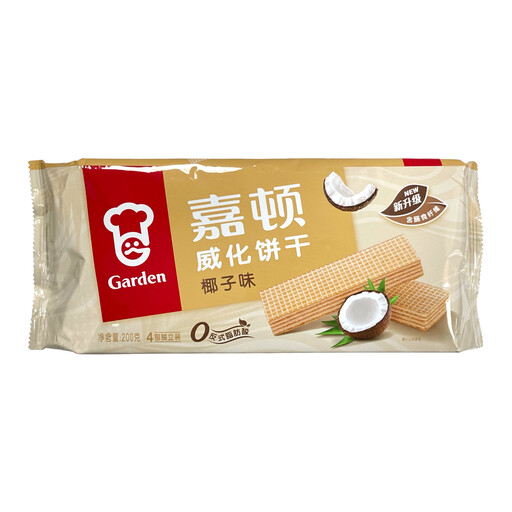
Why This Fits Their Persona: The 200g bag with inner individual pouches suits shoppers who want a shareable supply of coconut wafers for home, work or packed snacks.
The inner pouches reduce the need to open the full bag for every serving. The listing clearly identifies wheat and soya allergens.
200g quantity; individual packaging; multi-layered wafer format with coconut flavour.
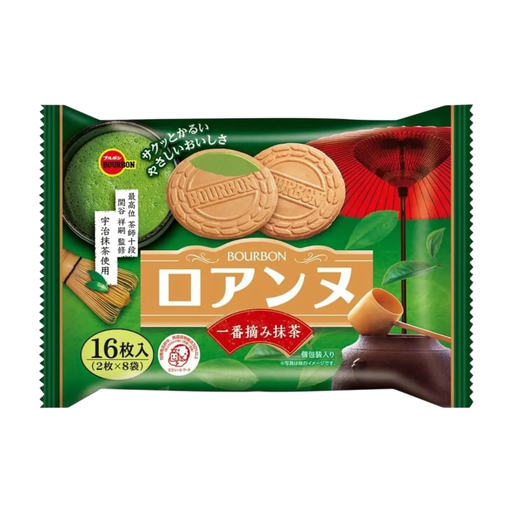
Why This Fits Their Persona: A suitable choice for shoppers exploring Japanese confectionery, matcha wafers and individually wrapped portions for serving with tea.
The 16-piece format makes the serving quantity visible, while the ingredient and allergen information identifies wheat, egg, milk and soya.
134g pack; 16 individually wrapped pieces; Uji matcha cream filling.

Why This Fits Their Persona: The eight individually wrapped chocolate caramel wafers work for family sharing, tea breaks and keeping a familiar UK-made treat in the cupboard.
The per-biscuit nutrition information supports straightforward portion comparison. Allergens are listed as milk, soya and wheat.
Eight-pack format; 30g per biscuit; layered wafer with caramel and milk chocolate coating.
We have compiled a complete, real-time list of products that fully satisfy these strict selection criteria and UK safety regulations.
Individually wrapped wafers and small multipacks are generally easier to place in a lunchbox without exposing the rest of the packet. Check school policies, allergen requirements and the product’s storage instructions. Treat them as occasional sweet snacks rather than a replacement for a balanced meal.
Keep unopened products in a cool, dry place away from heat and direct sunlight. After opening, reseal the pack or transfer wafers to an airtight container where the label advises this. Moisture can quickly reduce crispness.
No. Recipes vary widely. Wheat is common in conventional wafers, while milk, soya and egg may also be present. Check the full ingredient and allergen statement on the current UK packaging, particularly when buying international confectionery or products for someone with an allergy.