
24/7 Customer Support

Free returns

Same-day & Next-day Delivery

Quality Guaranteed

Unlock Your Welcome Offers: FREE Delivery | Up to 80% OFF | Free 30-day JoyPlus trial
Download the APP
Wafer biscuits are convenient, lightweight and easy to portion, but the packaging can make different products look more similar than they are. A large bag may contain less usable product than expected, while a flavour description can hide important allergen information or added colours.
Before buying chocolate wafer biscuits, caramel wafers or wafer rolls online, check three areas: the actual format, the ingredient and allergen panel and the quantity you receive. These details help you avoid paying for a product that does not suit your household, lunchbox routine or sharing plans.
A 200g bag may contain individual pouches, whereas a 40g wafer roll may be a single snack pack. For lunchboxes, office drawers or parties, individually wrapped wafers can be more practical than one large packet. For afternoon tea at home, a resealable tub or larger multipack may offer more convenient storage.
Always compare:
“Vanilla”, “milk” and “chocolate” do not indicate that a product is free from common allergens. Many wafer biscuits contain wheat, milk or soya, and some may contain or be manufactured around nuts, eggs, sesame or peanuts.
For example, traditional Scottish caramel wafers commonly combine wheat wafer, milk chocolate and soya lecithin. Products with fruit flavours may also contain food colours or flavourings that some families prefer to avoid.
Standard crispy wafer snacks can be brittle and crumbly. That can be useful for a satisfying crunch, but it is not the same as a dissolving baby snack. Baby wafers should only be given according to the product’s age guidance and preparation instructions. A child should be seated upright and supervised while eating to reduce choking risk.
Look for the legally required allergen emphasis on the product label. The main allergens vary by recipe:
If you need gluten-free wafers, check that the product is specifically labelled as gluten-free and read the “may contain” statement. Schär Gluten Free Vanilla Wafers are listed as free from wheat, but contain milk and soya and may contain tree nuts. Always check the packaging supplied with your order, as labelling can vary between markets.
Wafer texture deteriorates when exposed to air or humidity. Individually wrapped wafers are useful for lunchboxes, travel and controlled portions. Once a larger packet is opened, reseal it or transfer the contents to an airtight container where the product instructions allow.
For coconut wafer rolls and other hollow rolls, check whether the pack is a single large container or a small stick pack. A 40g stick pack is convenient for one snack, while a 150g or 350g container is more suitable for sharing.
Store wafer biscuits in a cool, dry place, away from direct sunlight, heat and strong odours. Check the best-before information on the packaging before serving, particularly when buying multipacks in advance.
Wafer biscuits are confectionery snacks rather than a replacement for balanced meals. Compare the nutrition panel per 100g and per bar where available. The products listed in this range vary in energy, sugar, fat and saturated fat, so a smaller individually wrapped serving may be easier to manage than eating directly from a large bag.
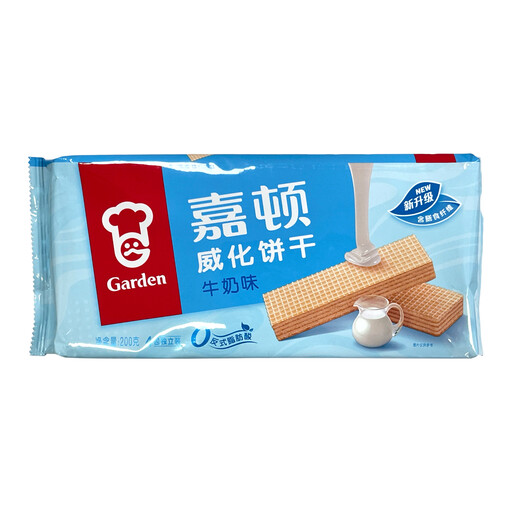
Why This Fits Their Persona: The 200g bag includes separate inner packs, making it suitable for sharing, school snacks or keeping several portions available at home.
The inner pouches make the pack format clearer than a loose large bag. The label lists wheat and soya, so it is not suitable for shoppers avoiding those allergens.
200g quantity; individually separated portions; ready to eat; light milk-flavoured wafer texture.

Why This Fits Their Persona: This Scottish-made option combines five wafer layers, caramel and milk chocolate in individually wrapped 30g portions, suited to afternoon tea or sharing.
The product description states the wafer, caramel and chocolate proportions, while the pack count clarifies what eight portions provide. It contains milk, soya and wheat.
Made in Scotland; five wafer layers; milk chocolate coating; individually wrapped eight-pack.
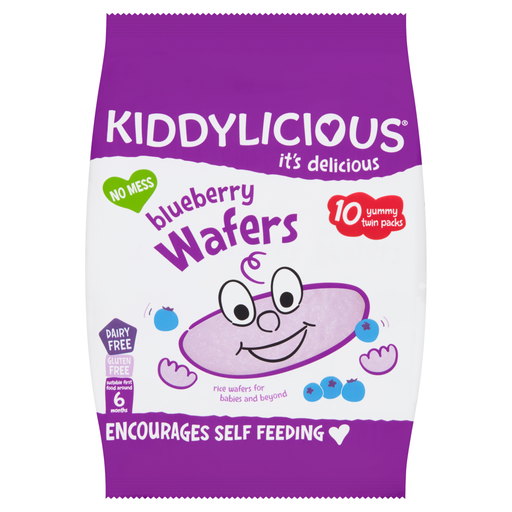
Why This Fits Their Persona: These small rice wafers are designed for children aged six months and over, with ten 4g packs for weaning routines and portable snacks.
The age guidance and 4g portion size are stated clearly. Supervise the child while eating and check the current pack label for allergens and suitability.
Rice and tapioca base; blueberry powder listed; no added salt; individually packed 4g portions.
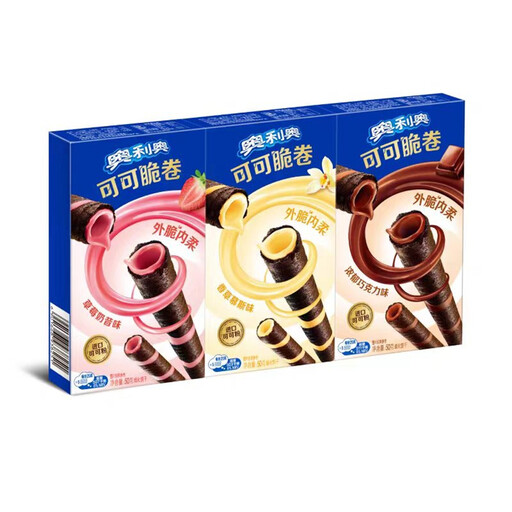
Why This Fits Their Persona: Three 50g packs provide chocolate, vanilla and strawberry flavours for parties, work treats or households with different preferences.
The variety is specified by flavour rather than implied by the packaging. The listed allergens include wheat and soya; check the label before serving.
Three individually wrapped packs; cocoa wafer rolls; chocolate, vanilla and strawberry options.
We have compiled a complete, real-time list of products that fully satisfy these strict selection criteria and UK safety regulations.
Individually wrapped wafers and multipacks are convenient for lunchboxes because they reduce handling and make portions easier to identify. Check the allergen label, storage guidance and school policies before packing them. Chocolate-coated products may soften in warm conditions.
Keep them in a cool, dry place and follow the pack instructions. Reseal larger bags or tubs promptly to help preserve crispness. Wafer rolls and filled wafers can lose texture when exposed to humidity, so consume them soon after opening where recommended.
Choose a product specifically labelled for children aged six months and over, such as the listed Kiddylicious Blueberry Wafers. Follow the age guidance, supervise the child while eating and read the latest ingredient and allergen information before serving. Standard chocolate wafer biscuits are not automatically suitable for babies.