
24/7 Customer Support

Free returns

Same-day & Next-day Delivery

Quality Guaranteed

Unlock Your Welcome Offers: FREE Delivery | Up to 80% OFF | Free 30-day JoyPlus trial
Download the APP
Wafer snacks can look very similar on the shelf, yet the differences between a filled wafer roll, a lunchbox-sized pack and a baby weaning snack are significant. Texture, allergens, portion size and storage all affect whether a product suits your household.
Before buying wafer snacks, UK shoppers should look beyond flavour descriptions and colourful packaging. A low-priced multipack may contain individually wrapped portions that are useful for school bags, while a larger sharing bag may offer better value but lose its crispness quickly after opening. Similarly, a product labelled with fruit or matcha flavour may contain only a small amount of the named ingredient alongside flavourings.
This guide explains the key details to check and matches several products to different shopping needs.
“Matcha”, “strawberry” and “chocolate” can describe a flavour profile rather than a high proportion of the featured ingredient. For example, Bourbon Elise Uji Matcha Wafer Rolls list matcha at 2%, while Meito Pukupukutai Chocolate Strawberry Wafer lists cocoa powder alongside natural flavouring and colouring.
Check the ingredients list and quantitative ingredient declaration where available. This gives a more realistic picture than the front-of-pack flavour name.
Many traditional wafer snacks contain wheat, milk, eggs or soya. Filled wafer rolls and chocolate wafers commonly use milk powder, whey, lactose or soya lecithin. Products can also carry “may contain” warnings for shared manufacturing facilities.
UK food labelling rules require relevant allergens to be emphasised in the ingredients list. Always check the current packaging, particularly when buying for children or anyone with a diagnosed allergy or intolerance.
A 250g party pack may work for family sharing but can become soft if it is not resealed. Individually wrapped wafers are more practical for packed lunches, office drawers and portion management. Mini rolls may be easier to share, while thin filled wafers can break during transport.
Consider where the snacks will be stored and eaten before selecting the pack size.
There are several formats within the wafer snacks category:
The word “wafer” alone does not indicate suitability for babies, lunchboxes or party sharing. Match the texture to the intended user.
Compare the net weight, number of pieces and individual portion size. A 200g bag with inner separate packs may be more convenient than a larger unwrapped bag for school or travel. Bourbon Roanne Uji Matcha Cream Wafers contain 16 individually wrapped pieces, whereas Kiddylicious products are supplied in small packs designed for baby portions.
For freshness, keep opened wafer snacks in a cool, dry place away from sunlight and moisture. Reseal the outer packaging or transfer the contents to an airtight container. Humidity can reduce the crisp texture.
Wafer biscuits are generally sweet snacks rather than a replacement for balanced meals. Compare the nutrition table per 100g, and use the serving information to understand the likely portion.
For reference, the supplied products show notable variation:
Baby wafers may have a simpler ingredient list, but “no added sugar” or “no artificial colours” does not mean unlimited consumption is appropriate. Use the age guidance and feeding instructions on the label.
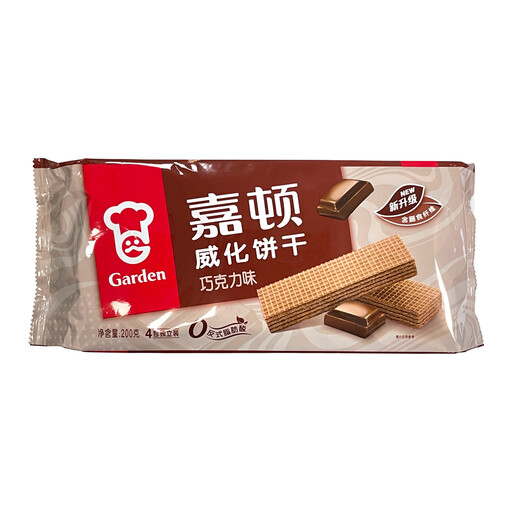
Why This Fits Their Persona: A 200g pack suits households wanting chocolate wafers for lunchboxes, afternoon treats or casual sharing without selecting several smaller products.
The listing identifies the inner separate packs, helping buyers distinguish it from a loose sharing bag. The ingredient and nutrition details are also provided for comparison.
Chocolate flavour; 200g net quantity; inner separate packs; ready to eat.
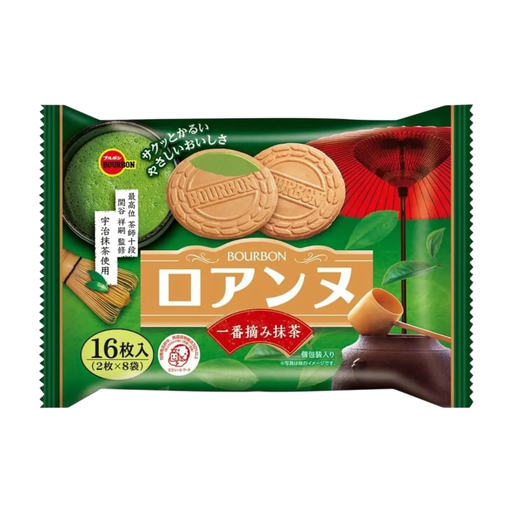
Why This Fits Their Persona: This Japanese wafer snack suits shoppers looking for a more distinctive green tea flavour and individually wrapped pieces for serving with tea or giving as a small gift.
The pack format makes portions clear, while the ingredient list identifies wheat, egg, milk and soya rather than leaving allergen checks to assumption.
Uji matcha cream filling; 16 individually wrapped pieces; nutrition shown per two pieces.
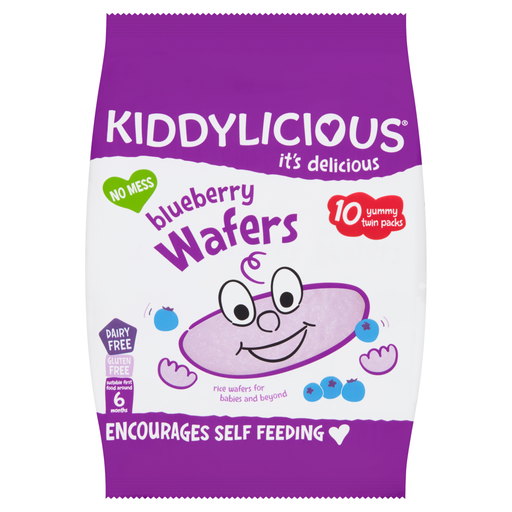
Why This Fits Their Persona: These baby wafers are portioned in 4g packs for families introducing finger foods to children aged 6 months and over.
The product provides a stated age guideline, feeding directions and allergen information. It should still be offered only when the child is seated upright and under full adult supervision.
Blueberry powder and natural blueberry flavour; no added salt stated; 16 kcal per 4g pack according to the listing.
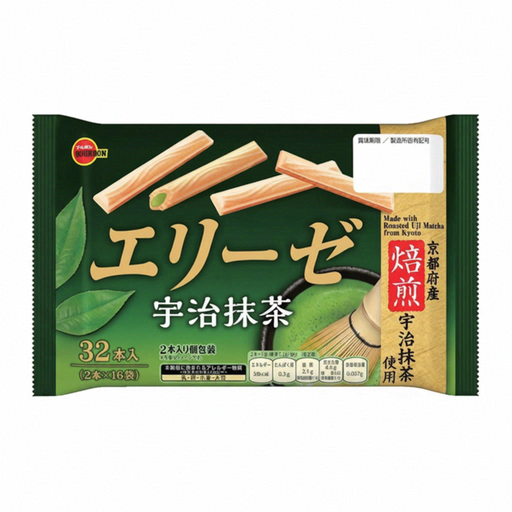
Why This Fits Their Persona: A larger Japanese wafer roll pack works for sharing at home, pairing with tea or coffee, and exploring a lighter matcha cream format.
The listed ingredients specify 2% matcha and identify milk, eggs, soya and wheat, giving shoppers clearer information than the flavour name alone.
Crispy wafer rolls; Uji matcha cream; 115.2g pack; listed as suitable for sharing.
For strawberry wafers, Lago Strawberry Party Wafers provide a 250g sharing format with strawberry-flavoured cream. The listing identifies wheat, milk and soya allergens, and advises resealing the pack to help maintain crispness.
For a smaller chocolate-and-fruit treat, Meito Pukupukutai Chocolate Strawberry Wafer is available in 16.5g and three-piece formats. The product is made in Japan and contains wheat, milk and soya, so it is not interchangeable with allergen-free baby snacks.
Mayora Astor Matcha Flavour Wafer Rolls come in a 40g stick pack containing multiple mini rolls. This can suit on-the-go snacking, but the ingredient list includes wheat, milk and soya, as well as colourings and flavouring.
If you are decorating cakes rather than buying sweet snacks, Dr Oetker Mini Wafer Flowers are edible wafer decorations. They contain wheat and are intended for baking presentation, not as a filled biscuit or baby weaning snack. For related decorating supplies, browse the wafer paper edible sheets range.
We have compiled a complete, real-time list of products that fully satisfy these strict selection criteria and UK safety regulations.
Only products specifically labelled for children aged 6 months and over should be considered, such as designated baby wafers. Follow the manufacturer’s feeding directions, check allergens and supervise the child while seated upright. Regular chocolate wafers, filled wafer rolls and Japanese wafer snacks are not automatically suitable for babies because they may be harder, sweeter or contain common allergens.
Keep them in a cool, dry place away from direct sunlight, heat and moisture. Reseal the original bag or use an airtight container. Individually wrapped wafers generally offer more convenient portioning, but each wrapper does not remove the need to observe the stated best-before date.
Individually wrapped wafers and inner-pack formats are practical for lunchboxes, travel and controlled sharing. Larger strawberry or milk wafer bags are more suitable for parties, family snack bowls and afternoon tea, provided they can be resealed. Always check school policies concerning nuts, milk, gluten and other allergens before packing snacks.