
24/7 Customer Support

Free returns

Same-day & Next-day Delivery

Quality Guaranteed

Unlock Your Welcome Offers: FREE Delivery | Up to 80% OFF | Free 30-day JoyPlus trial
Download the APP
As a Joybuy Product Recommendation Officer, my role is to help you navigate the crowded online marketplace. When it comes to a luxurious item like Wagyu beef for hotpot, it's easy to be misled by fancy labels and high prices that don't always translate to quality. An evening of shabu-shabu or sukiyaki at home should be a memorable treat, not a costly disappointment.
Many shoppers find themselves paying a premium for beef that turns out tough, tasteless or simply wrong for the dish. Let's cut through the marketing jargon and look at the common pitfalls to avoid when you decide to buy wagyu for hotpot.
To ensure you get what you pay for, focus on these three non-negotiable characteristics.
This is the most critical factor. Marbling refers to the fine threads of intramuscular fat that create a snowflake or web-like pattern within the muscle. This is not the thick, hard fat on the outside of a steak. When you dip thinly sliced wagyu beef into a hot broth, this premium marbled beef fat melts almost instantly, basting the meat from within. This process creates an incredibly tender, juicy and flavourful bite. When inspecting a product, look for an even and delicate distribution of this fat throughout the slice.
Not all beef cuts are created equal for hotpot. Cuts like chuck, ribeye and sirloin are often used because they offer a good balance of flavour and tenderness. However, the preparation is key. The beef must be sliced against the grain to a uniform thickness of around 1.5mm to 2mm. This precise thickness is the standard for both Japanese shabu shabu beef UK and sukiyaki beef slices, as it allows the meat to cook to perfection in just a few seconds of swishing in the hot broth.
While Japanese Wagyu is the historical benchmark, excellent quality Wagyu is now produced elsewhere, including Australia and Europe. High-quality Irish wagyu beef, for example, is becoming increasingly popular in the UK for its consistent quality and rich flavour. Some producers even use unique finishing diets for their cattle. For instance, a chocolate-fed finish can contribute to a creamier texture and a uniquely rich, buttery flavour profile, adding another layer of luxury to your dining experience.
Instead of a generic list, we've matched our recommendations to specific needs and preferences, helping you find the right fit for your next hotpot night.
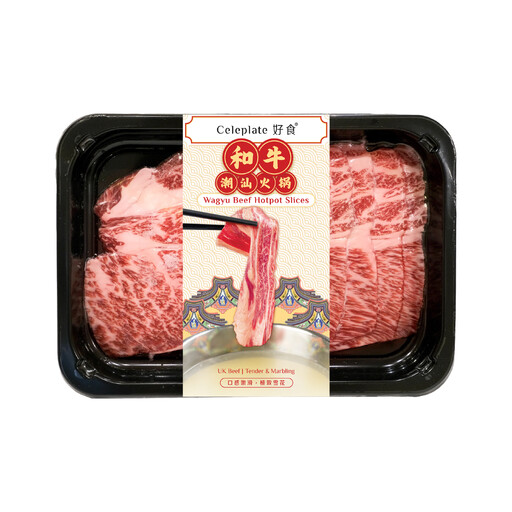
Why This Fits Their Persona: This is for the diner seeking an authentic, restaurant-quality experience at home. The unique origin and feed (chocolate-fed Irish Wagyu) appeal directly to food enthusiasts who appreciate provenance and superior flavour. It's the ideal choice for a special occasion like an anniversary or a celebratory sukiyaki dinner.
It directly counters the "Wagyu Label Trap" by offering a product with clear provenance and exceptional marbling. It is also professionally sliced to the ideal 1.5mm thickness, avoiding the "Thickness Fallacy" entirely.
The specialised chocolate-fed finishing process results in a distinctively rich, creamy flavour and beautiful snowflake marbling. It cooks in 5-10 seconds for a perfect melt-in-the-mouth texture.

Why This Fits Their Persona: This user loves hosting hotpot gatherings for friends and family. They need a generous quantity of reliable, tasty beef that is easy to prepare and serves a crowd without an extravagant budget. The large 800g pack size and Halal certification make it a versatile and inclusive choice.
While not Wagyu, it is clearly marketed as hotpot beef rolls, managing expectations perfectly. The pre-sliced and rolled format offers maximum convenience, completely avoiding any need for difficult home preparation.
Offers excellent value with its large 800g format. The slices are designed for quick cooking in hot broth, ensuring a tender texture and making it a dependable choice for group dining.
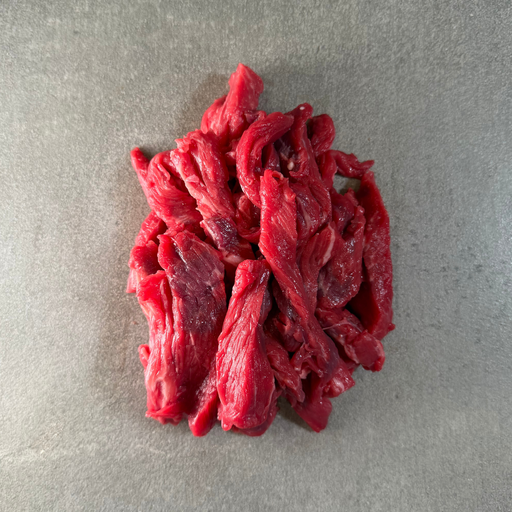
Why This Fits Their Persona: This user appreciates high-end butchery and is open to non-traditional choices. While not a classic hotpot cut, these strips from the tenderloin offer a different kind of luxury—a lean, incredibly soft texture from dry-aged, grass-fed cattle. It's for someone who wants to experiment with premium ingredients.
This product sidesteps the "Wagyu" trap by offering a different, clearly defined premium cut: beef fillet. The pre-cut strips provide convenience, and the reputation of the butcher, HG Walter, assures quality.
Delivers the natural tenderness of the fillet cut, which is prized for its fine grain and delicate flavour. Sourced from grass-fed, dry-aged cattle for a refined, clean beef taste.
We have compiled a complete, real-time list of products that fully satisfy these strict selection criteria and UK safety regulations.
It is not advisable. A steak cut is far too thick for hotpot and will become tough and chewy when boiled. Authentic hotpot requires paper-thin slices (around 1.5-2mm) that can cook in seconds. Attempting to slice a steak this thinly at home without a professional meat slicer is difficult and often results in uneven pieces that do not cook properly. For the right texture, always choose products specifically labelled as thinly sliced wagyu beef or shabu shabu beef slices.
The primary differences are found in cattle genetics, feed and official grading systems. Japanese Wagyu is often considered the global benchmark, known for its intense, delicate marbling. Australian Wagyu is typically a crossbreed, resulting in a robust beef flavour combined with good marbling. Irish Wagyu beef is a high-quality European option known for excellent farming standards. Some Irish producers use unique finishing diets, which can create distinctive flavour profiles. Regardless of origin, the most important visual cue for quality remains the density and fineness of the marbling.
To maintain quality and avoid freezer burn, your frozen beef hotpot slices should be kept in an airtight, sealed package at a stable temperature of -18°C or below. The recommended way to defrost them is to move the sealed package from the freezer to the refrigerator and leave it overnight. This slow, gentle thawing process is crucial for preserving the meat's delicate texture and flavour. Avoid using a microwave or leaving the meat at room temperature to thaw, as this can negatively impact its quality and pose a food safety risk.