
24/7 Customer Support

Free returns

Same-day & Next-day Delivery

Quality Guaranteed

Unlock Your Welcome Offers: FREE Delivery | Up to 80% OFF | Free 30-day JoyPlus trial
Download the APP
Planning a Japanese hot pot night, whether it's a delicate shabu-shabu or a rich sukiyaki, is an exciting prospect. The centrepiece, of course, is the beef. Choosing to use Wagyu elevates the meal to a truly memorable occasion. However, the term "Wagyu" is widely used and navigating the options to find the right product for your simmering broth can be confusing. Many shoppers in the UK find themselves paying a premium for beef that doesn't deliver that signature melt-in-the-mouth experience.
As the Joybuy Product Recommendation Officer, my role is to help you see past the marketing and focus on what truly matters. Before you buy, be aware of these common pitfalls that can lead to a disappointing and expensive meal.
To ensure you get the perfect result every time, focus on these three non-negotiable parameters when you buy wagyu online.
The cut of beef is fundamental. For the quick-cooking nature of hot pot, you need a cut that is both tender and flavourful. The most suitable cuts offer a good balance of meat and intramuscular fat.
This is perhaps the most critical factor. For both shabu-shabu and sukiyaki beef, the slices must be exceptionally thin.
Understanding the origin helps set your expectations for flavour and texture.
Based on these criteria, here are a few options tailored to different home cooks.
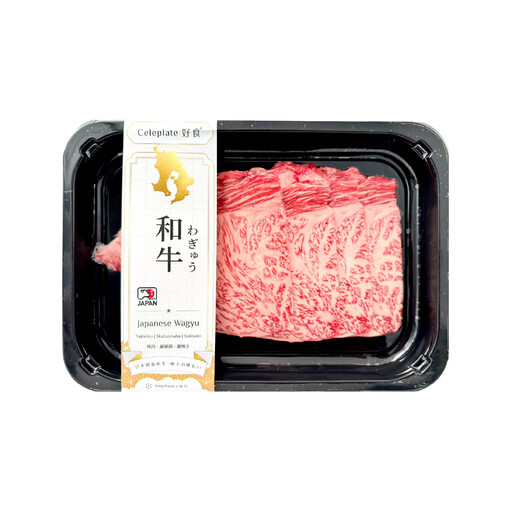
Why This Fits Their Persona: For the home cook planning a special occasion meal who wants to replicate an authentic Japanese restaurant experience. This is for someone who values origin and the specific, buttery texture that only purebred Japanese Wagyu can provide.
This product is explicitly described as authentic Japanese Wagyu slices, imported directly from Japan. It is pre-sliced from the chuck, avoiding any ambiguity about origin or suitability for hot pot.
Features exceptional marbling (shimofuri) for a rich, melt-in-the-mouth texture. It is cut specifically for hot pot, ensuring it cooks perfectly in 5-10 seconds.
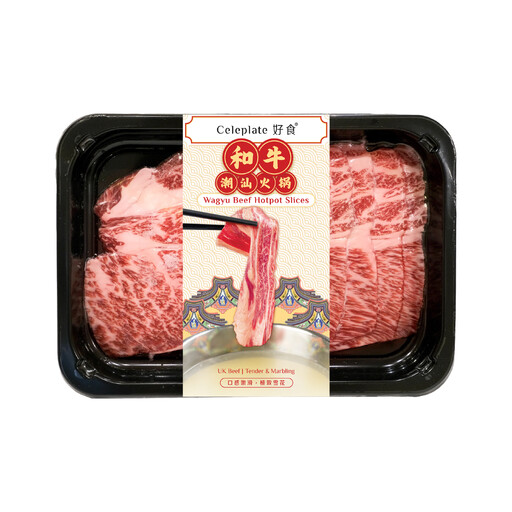
Why This Fits Their Persona: This is for the adventurous food enthusiast who appreciates premium ingredients and unique flavour profiles. They are less concerned with Japanese origin and more interested in a high-quality, novel taste experience.
The description is clear that this is high-quality Irish Wagyu, not Japanese, managing expectations. It specifies a 1.5mm thickness, confirming it is correctly prepared for hot pot and avoiding the "wrong cut" pitfall.
Sourced from cattle with a unique chocolate-fed finish, which contributes to a rich, creamy flavour. The 150g pack size offers a slightly larger portion.
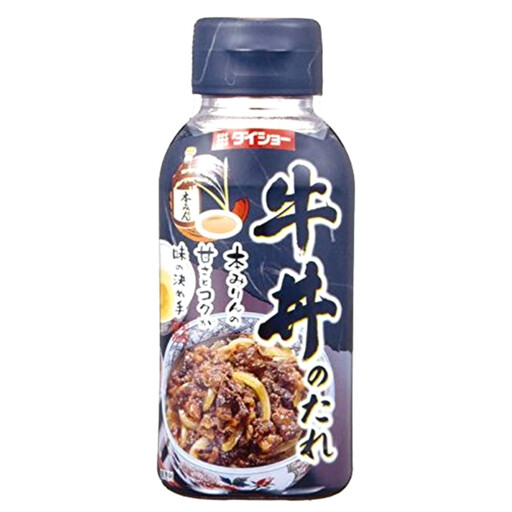
Why This Fits Their Persona: This user understands that great beef is only half the story. They want to ensure the broth and dipping sauces are equally impressive. They value convenience but refuse to compromise on authentic flavour for their sukiyaki.
It prevents the pitfall of a bland or one-dimensional hot pot experience. Instead of using a generic soy sauce, this provides a balanced, authentic Japanese flavour base, saving you from buying multiple niche ingredients.
A versatile sauce made with kombu, bonito and mirin. It can be used to create a sukiyaki broth or served as a rich dipping sauce (tare) to complement the Wagyu beef.
We have compiled a complete, real-time list of products that fully satisfy these strict selection criteria and UK safety regulations.
Because Wagyu is so rich, a little goes a long way. A good guideline is to plan for 100g to 150g of beef per person. If you have many other ingredients like vegetables, tofu and noodles, 100g is often sufficient. For a more beef-focused meal, aim for 150g.
It is strongly advised not to refreeze Wagyu beef after it has been thawed. The process of refreezing can damage the delicate cell structure of the meat, causing ice crystals to form which will ruin the signature texture and lead to moisture loss when cooked. Once you thaw your frozen wagyu beef, store it in the refrigerator and aim to consume it within 24 hours for the best quality and safety.
The beef itself—thinly sliced wagyu—is often identical for both dishes. The primary difference lies in the preparation and the broth.