
24/7 Customer Support

Free returns

Same-day & Next-day Delivery

Quality Guaranteed

Unlock Your Welcome Offers: FREE Delivery | Up to 80% OFF | Free 30-day JoyPlus trial
Download the APP
A waist pack can make a run, commute or day out considerably easier, but the wrong design may become uncomfortable surprisingly quickly. A bag that shifts while jogging, traps sweat against the skin or leaves valuables exposed in light rain is not a practical purchase, regardless of how appealing its marketing sounds.
The key is to compare the features that affect real use rather than relying on phrases such as “performance fit” or “all-weather protection”. This guide explains the main buying pitfalls, the specifications worth checking and which styles suit different UK lifestyles.
A water-repellent waist bag may resist light showers or small spills, but this does not necessarily mean it is waterproof. Coated fabric, covered zips and a sealed inner lining offer different levels of protection. If you regularly run in heavy rain or cycle through wet conditions, check the product description for specific waterproof construction rather than assuming that a coated outer fabric will keep everything dry.
A large bum bag may hold more, but extra space can allow your phone, keys and wallet to move around. This can create bouncing during running and may make the bag feel heavier than expected. Conversely, an ultra-slim running belt may not accommodate larger phones, power banks or snacks.
Think about the actual contents you carry. A compact running waist pack is often suitable for a phone, card and keys, while a larger sports waist bag may be more practical for hiking, travel or commuting.
A one-size-fits-most design can still be unsuitable if its adjustment range is not listed. Check the minimum and maximum waist measurements, buckle position and whether the strap can be tightened securely over sportswear. For high-intensity activity, an adjustable waist bag should sit firmly without restricting breathing or digging into the skin.
For running or gym workouts, look for a snug waistband, anti-slip backing or an elasticated construction. A running belt should remain close to the body when you accelerate, jump or change direction. Measure your natural waist rather than relying on trouser size, as sizing can vary between manufacturers.
The PELLIOT running waist pack listed below covers 66–88 cm for S/M and 88–118 cm for L/XL. Its product guidance recommends selecting the smaller size when between sizes for a more secure fit during high-intensity use. This is a practical sizing detail, but the belt should never feel uncomfortably tight.
A main compartment is useful for a phone, but separate pockets can prevent keys from scratching the screen. A hidden or rear pocket is helpful for cards and cash, particularly when travelling or using public transport. Closed zips are preferable when cycling, running or walking in crowded places.
Do not judge storage by the number of compartments alone. Check the listed dimensions and whether the pockets are large enough for your phone model. A hands-free bag with too many shallow sections can be less useful than a simple design with one properly sized main pocket.
Polyester and polyester blends are common because they are lightweight and reasonably easy to wipe clean. Breathable mesh can improve comfort during exercise, while reflective panels or strips can make a wearer more noticeable in low light. A reflective running belt supports visibility but does not replace suitable lighting, high-visibility clothing or attention around traffic.
Also check care instructions. Several waist bags in this selection should be wiped or spot-cleaned rather than machine-washed. Following those instructions may help preserve coatings, zips and reflective details.
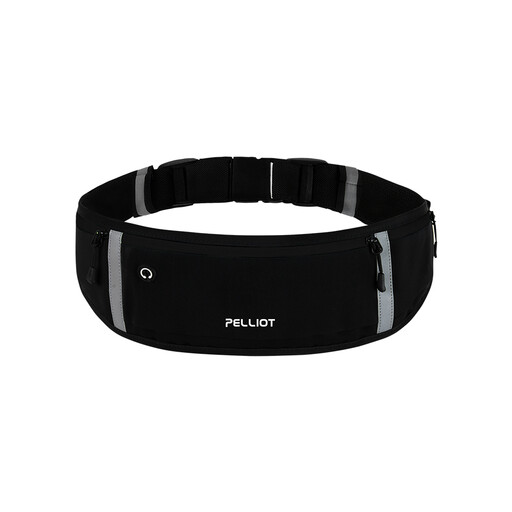
Why This Fits Their Persona: A practical starting point for runners, gym users and commuters who want a lightweight running belt with organised storage rather than a bulky bag.
The elastic waistband is designed for a close fit, while secure zips and a hidden pocket reduce the chance of essentials shifting or falling out.
High-elastic, sweat-wicking material; front, main and hidden pockets; reflective strips on the front and sides.
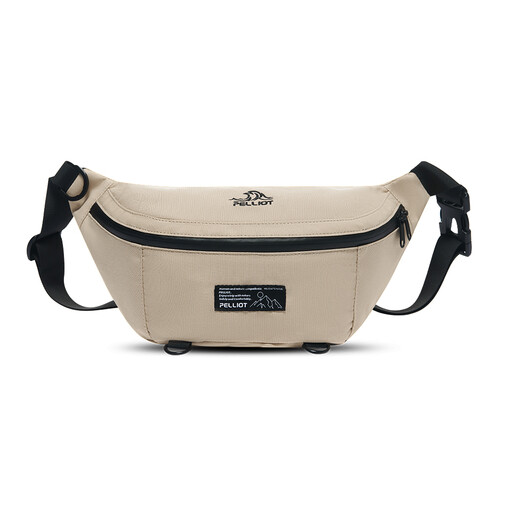
Why This Fits Their Persona: Suitable for shoppers prioritising materials, hardware and flexible everyday styling for commuting, travel and casual use.
The listed water-repellent finish is more precise than calling the bag fully waterproof, helping buyers set realistic expectations for wet UK weather.
Abrasion-resistant fabric, YKK zips, hidden inner storage and four carrying options: waist, chest, crossbody or hand carry.
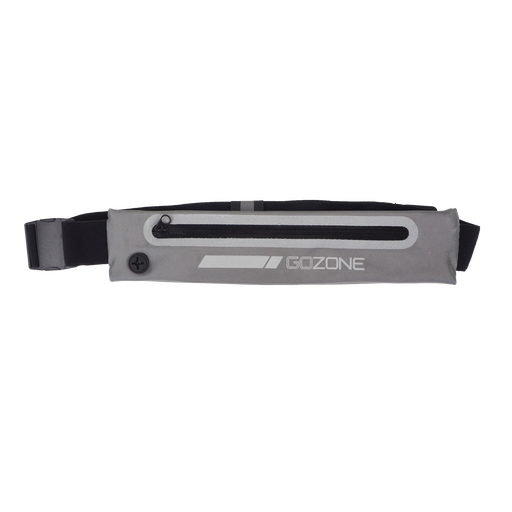
Why This Fits Their Persona: A focused option for runners, cyclists and walkers who want a slim, visible running pouch for outdoor activity after dark.
Its stated 27–46-inch adjustable range and reflective outer material address fit and low-light visibility concerns. Reflective details are not a substitute for lights or road awareness.
Reinforced PVC inner layer, expandable pocket, breathable Spandex and polyester construction and waterproof features listed by the seller.
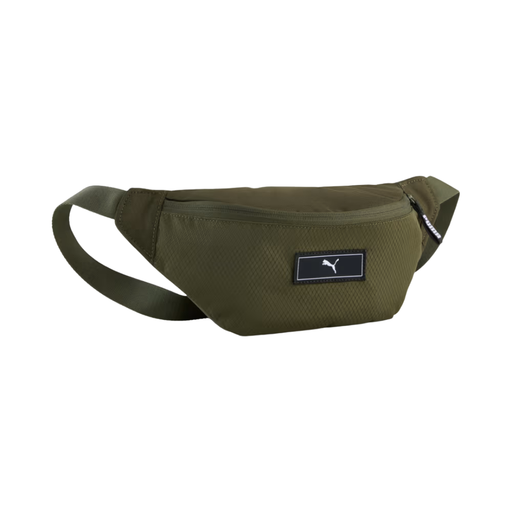
Why This Fits Their Persona: Its 2.2-litre capacity suits daily essentials, city walks and travel days when a slim running belt may not provide enough room.
The listed 31 × 9 × 15.5 cm dimensions make its capacity clearer than vague “roomy” claims, while a separate rear zip pocket helps isolate valuables.
Padded back panel, adjustable buckle strap, 2.2-litre capacity and lining made with at least 90% recycled materials.
We have compiled a complete, real-time list of products that fully satisfy these strict selection criteria and UK safety regulations.
Yes, provided it fits snugly and does not bounce. Choose a lightweight running waist pack with an adjustable or elasticated waistband, secure zips and enough room for your phone and keys without overfilling it.
Some designs allow crossbody or chest-pack use. Check the product description and strap range before buying. Crossbody positioning can improve access and may feel more comfortable when walking or travelling, but the bag should remain stable and should not obstruct movement.
Cost depends on capacity, materials, water protection, hardware and specialised features such as reflective panels. Compare these practical specifications rather than paying solely for branding. For occasional errands, a lightweight waist bag may be sufficient; frequent runners, cyclists and hikers may benefit from stronger construction, better pocket organisation and a closer fit.