
24/7 Customer Support

Free returns

Same-day & Next-day Delivery

Quality Guaranteed

Unlock Your Welcome Offers: FREE Delivery | Up to 80% OFF | Free 30-day JoyPlus trial
Download the APP
Choosing the right wall plug might seem like a minor detail, but getting it wrong can lead to sagging shelves, fallen pictures and damaged walls. Whether you're a seasoned tradesperson or a weekend DIY enthusiast, the sheer variety of fixings can be confusing. Many products make bold claims, but often fail when put to the test in real-world UK homes, which feature a mix of solid brick, modern plasterboard and older lath and plaster walls. This guide cuts through the clutter to help you select the correct fixing for the job, ensuring a secure and lasting result.
Before you buy, it's crucial to be aware of a few common pitfalls that lead to wasted money and frustration:
To avoid these issues, focus on three key factors before making a purchase. Matching these to your specific task will ensure you buy the right product first time.
The single most important factor is the type of wall you are drilling into. This determines the entire mechanism of the fixing you need.
Always consider the weight of the item you intend to hang. Fixings are generally categorised by their duty rating:
Different fixings offer different benefits in terms of strength and ease of installation.
Based on application and user needs, here are some practical recommendations that address the common challenges faced in UK homes.
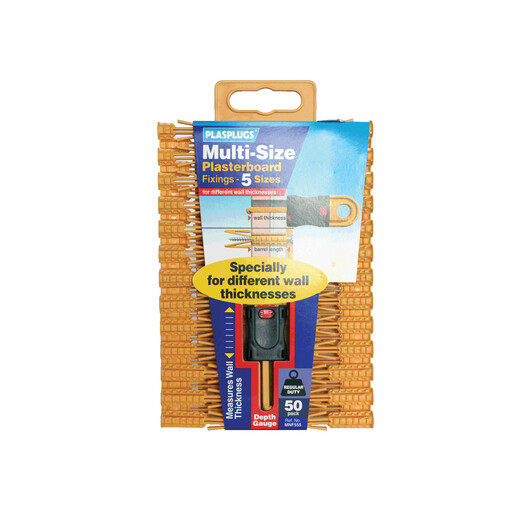
Why This Fits Their Persona: Ideal for someone tackling various small jobs around the house who isn't sure of the exact plasterboard thickness. This pack covers multiple scenarios, from hanging pictures to fitting small bathroom accessories.
It directly counters the "one-size-fits-all" pitfall by providing fixings for five different wall thicknesses (7mm to 22mm) and includes a depth gauge to ensure the correct one is chosen.
A cost-effective variety pack that removes the guesswork. The included depth gauge is a practical tool for beginners.
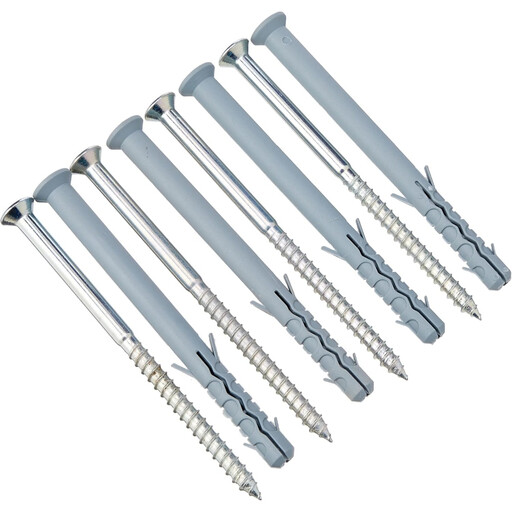
Why This Fits Their Persona: A tradesperson fitting door frames, window frames, or heavy battens needs a reliable, no-fuss solution for solid masonry. These frame fixings are designed for exactly that purpose.
This fixing is specifically engineered for heavy-duty structural applications, preventing the dangerous mistake of underestimating load requirements on solid brick wall plugs or concrete.
The pre-assembled plug and screw save time on site. Anti-rotation lugs prevent the fixing from spinning during installation, ensuring a secure grip.
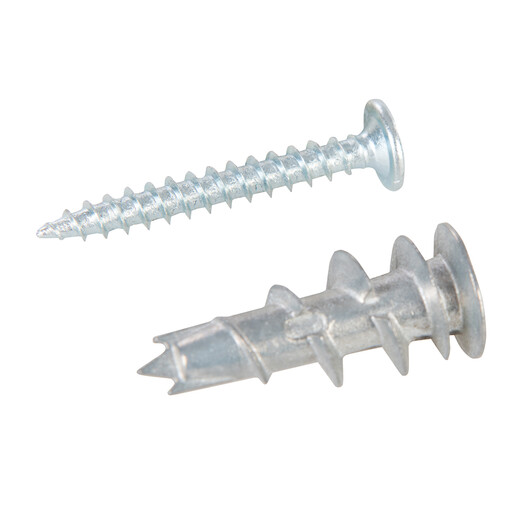
Why This Fits Their Persona: For electricians, joiners or DIYers who need to quickly mount light-duty items to plasterboard, speed is key. These self-drilling plasterboard fixings are exceptionally fast to install.
By eliminating the need for a drill, it prevents the common error of creating a pilot hole that is too large, which would compromise the grip of a traditional plug in plasterboard.
Extremely fast installation with just a screwdriver. The sharp, self-tapping thread provides a secure and reusable fixing for drywall.
We have compiled a complete, real-time list of products that fully satisfy these strict selection criteria and UK safety regulations.
The simplest method is the "tap test". Knock on the wall with your knuckle. A dull, low-pitched thud suggests a solid wall made of brick or blockwork. A hollow, drum-like sound indicates a cavity wall, typically plasterboard fixed to a frame. For confirmation, you can drill a small pilot hole; if the drill bit passes through a short depth of board and then into an empty space, you have a hollow wall.
This is a common sign that the hole is too large for the plug, or the wall material is too soft or crumbly. Do not proceed, as the fixing will not be secure. The correct solution is to remove the plug, fill the hole with a suitable filler, allow it to dry completely and then re-drill a hole of the correct size. Alternatively, you can try using the next size up of wall plug, but this may require a larger screw.
For most standard plastic expanding plugs, it is not recommended. Once a screw has been driven in and removed, the plastic becomes deformed and will not provide the same level of grip a second time. However, some metal cavity wall fixings, like interset anchors, are designed so that the screw can be removed (for decorating, for example) and reinserted without compromising the anchor itself, which remains in the wall.